Choosing the right Plastic Laminated Plywood supplier requires more than comparing prices on a spreadsheet. Buyers must examine surface quality, core strength, film adhesion, production consistency, and delivery performance. A glossy panel may look impressive, yet weak bonding can appear after cutting, drilling, or repeated moisture exposure.
This guide introduces leading China suppliers and the factors that distinguish reliable manufacturers from ordinary traders. Our evaluation focuses on factory experience, product specifications, quality-control procedures, export communication, and application knowledge. Practical checks matter. Ask for samples, technical data, test reports, and clear information about plywood grades. Inspect the edges, film uniformity, panel flatness, and surface response after machining.
Small details matter.
Experienced suppliers should explain film thickness, adhesive selection, core construction, and suitable usage conditions. They should also discuss limitations instead of promising that one panel fits every project. Certifications can support credibility, but documents alone cannot replace sample testing or factory verification. Buyers should confirm whether certificates match the actual product and current production site.
The ranking may not suit every purchasing situation. A construction contractor may prioritize wear resistance, while a furniture manufacturer may need cleaner surfaces and tighter dimensional control. Even strong suppliers can experience delays, color variation, or communication gaps. That reality deserves attention. By comparing evidence, asking precise questions, and reviewing long-term service capability, readers can make a more informed supplier decision.
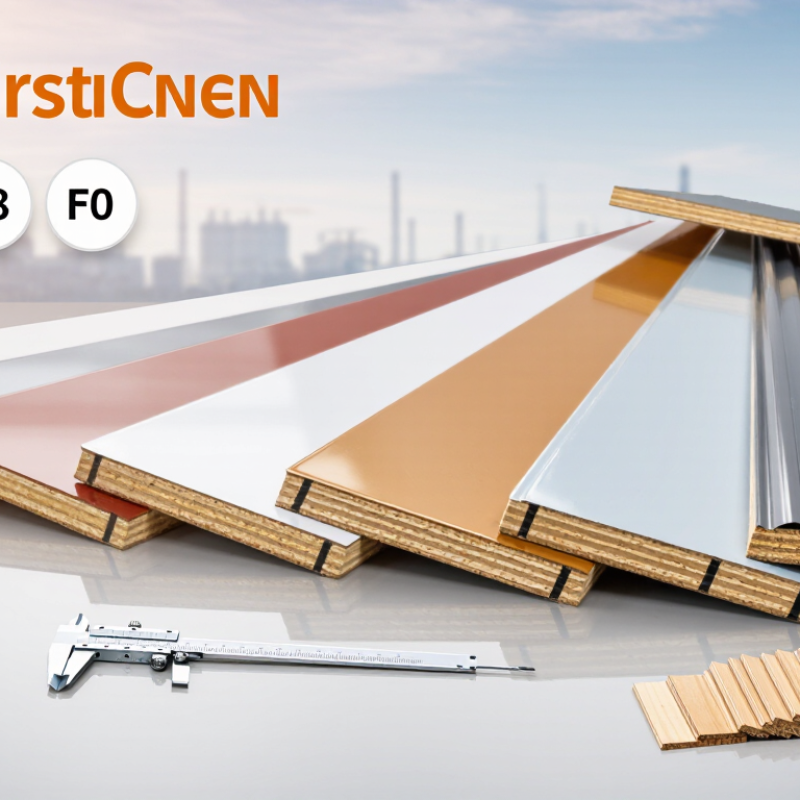
China plastic laminated plywood is plywood covered with a bonded plastic layer. The layer may use high-pressure laminate, PVC film, or another resin-based surface. It improves stain resistance, moisture tolerance, and cleaning performance. The term is not perfectly standardized. That distinction matters.
The plywood core provides stiffness and screw-holding strength. The plastic surface adds color, texture, and easier maintenance. Common uses include kitchen cabinets, office partitions, retail fixtures, wall panels, laboratory furniture, and vehicle interiors. In some projects, it replaces painted boards because small scratches are less visible. However, it is not automatically waterproof. Poor edge sealing can still allow moisture into the core.
FAOSTAT’s 2022 forestry dataset identifies China as one of the world’s leading plywood producers. The UNECE/FAO Forest Products Annual Market Review 2023 also describes Asia as the dominant production and consumption region for wood-based panels. Buyers should examine these supply strengths carefully. A reliable supplier should provide thickness tolerance, formaldehyde-emission results, surface-wear data, and bonding-test records. EN 438 or comparable laminate standards can support technical comparisons. Certification alone is not enough. Warping, uneven edges, and weak lamination still appear in real shipments.
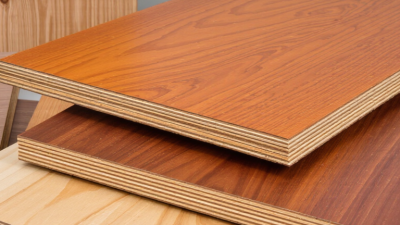
When evaluating China plastic laminated plywood suppliers, quality standards should guide every comparison. A polished catalog is not enough. Ask for the plywood grade, laminate specification, adhesive type, and recent test reports.
Reliable suppliers should control core density, veneer gaps, panel thickness, and bonding strength. For structural use, request evidence aligned with EN 314-2 or an equivalent bonding standard. EN 636 can help verify plywood performance for intended environments. Check formaldehyde emissions through recognized testing, such as EN 717-1. Requirements may differ by market, so confirm them before ordering.
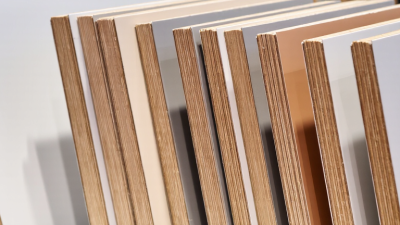
The plastic surface needs separate inspection. Measure gloss, color consistency, scratch resistance, and resistance to household chemicals. A good panel should keep its finish after repeated cleaning. Inspect edges too. Poorly sealed edges can swell after one wet installation. Ask suppliers to provide samples with cut edges, not only perfect display panels.
In factory assessments, I look for calibrated thickness gauges, traceable batch records, and documented pressing temperatures. Small details matter. One overlooked void can weaken a fastening point. I have also seen attractive surfaces hide uneven cores. That mistake is expensive.
Suppliers should explain inspection frequency, packaging protection, and corrective action procedures. Independent verification is useful when order volumes are large. Yet laboratory reports cannot replace physical sampling. Test the actual batch. Standards create confidence, but careful observation still matters.
Key Quality Standards for Plastic Laminated Plywood
How to read this chart: Lower formaldehyde emission limits indicate stricter indoor-air requirements. ENF, E0 and E1 are emission classification levels defined in China’s GB/T 39600-2021 standard for wood-based panels, including plywood.
When evaluating a plastic laminated plywood supplier, request a current third-party test report for the complete panel. The plastic laminate surface does not replace testing of the plywood core, adhesive system, dimensional stability and bonding performance.
Reference unit: mg/m³ formaldehyde emission. Reported limits: ENF ≤ 0.025 mg/m³, E0 ≤ 0.050 mg/m³ and E1 ≤ 0.124 mg/m³.
China’s plastic laminated plywood suppliers generally fall into several practical categories. Large integrated mills produce plywood cores, laminate films, and finished panels under one roof. Their advantage is stable thickness, consistent pressing, and easier batch control. These suppliers often serve construction, vehicle interiors, furniture, and reusable packaging projects.
Regional plywood factories provide more flexible production. They may adjust panel size, surface texture, film weight, and edge sealing for specific applications. Buyers should request recent samples, not only catalogue photos. Check the core gaps, surface flatness, bonding strength, and moisture resistance. A clean edge cut reveals more than a polished showroom panel. Some factories look highly capable, but their quality can change between batches.
Trading and export companies form another important category. They may combine products from several factories and handle inspections, documents, and shipping coordination. This can help overseas buyers, especially with mixed orders. However, traceability becomes less direct. Ask for the actual production site, test reports, material specifications, and inspection records. Independent testing can verify formaldehyde levels, water resistance, and laminate adhesion. I have found that low prices often hide thinner films or weaker cores. That lesson is easy to overlook. Suppliers serving demanding projects should explain their press temperature, curing time, raw material sources, and corrective process when panels fail inspection. Clear answers matter more than impressive promises.
| Supplier Category | Typical Product Focus | Common Core Materials | Plastic Surface Options | Typical Thickness | Common Applications | Key Evaluation Criteria |
|---|---|---|---|---|---|---|
| Film-Faced Plywood Manufacturers | Reusable panels for concrete formwork and construction projects | Poplar, eucalyptus, birch, mixed hardwood, or combi-core plywood | Phenolic resin film, smooth film, or textured film | 12–21 mm | Concrete walls, slabs, columns, bridges, and general formwork | Panel flatness, film adhesion, edge sealing, water resistance, and reuse performance |
| HPL-Faced Plywood Suppliers | Decorative and wear-resistant laminated plywood panels | Birch, poplar, hardwood, or multilayer plywood | High-pressure laminate with decorative colors, woodgrain, or solid patterns | 6–25 mm | Furniture, wall panels, cabinets, retail interiors, and transport interiors | Surface abrasion resistance, color consistency, bonding quality, and machining suitability |
| Compact Laminate Panel Suppliers | High-density decorative panels for demanding interior applications | Phenolic resin-impregnated kraft paper laminate, sometimes bonded to plywood | Decorative high-pressure laminate with matte, textured, or gloss finishes | 3–20 mm | Partitions, lockers, washroom cubicles, countertops, and commercial interiors | Moisture resistance, impact strength, hygienic surface, edge finishing, and dimensional stability |
| PVC-Laminated Plywood Suppliers | Lightweight decorative panels with easy-clean surfaces | Poplar, eucalyptus, hardwood, or multi-layer plywood | PVC foil, PVC decorative sheet, or thermoplastic film | 5–18 mm | Furniture, cabinets, interior doors, wall cladding, and exhibition fixtures | Film thickness, resistance to peeling, surface cleanability, color stability, and edge compatibility |
| PP or HDPE-Coated Plywood Suppliers | Impact-resistant and moisture-resistant panels for industrial use | Hardwood, birch, poplar, or structural plywood | Polypropylene or high-density polyethylene coating | 9–30 mm | Vehicle floors, shipping platforms, industrial flooring, and reusable packaging | Coating thickness, slip resistance, weldability, impact performance, and water absorption |
| Marine and Transport Panel Suppliers | Plastic-laminated panels engineered for vibration and moisture exposure | Marine plywood, hardwood plywood, or phenolic-bonded plywood | Phenolic film, HPL, PVC, or specialized waterproof plastic layers | 9–25 mm | Truck flooring, trailer interiors, marine fittings, and container components | Glue-line durability, screw-holding strength, moisture resistance, load capacity, and slip rating |
| Custom CNC and Cut-to-Size Suppliers | Processed laminated plywood supplied to project-specific drawings | Customer-selected plywood grade or pre-approved structural core | Film, HPL, PVC, PP, or other specified plastic laminate | Typically 6–30 mm | Modular furniture, prefabricated interiors, machinery parts, and architectural fit-outs | Dimensional accuracy, cutting tolerance, drilling quality, labeling, packaging, and repeatability |
| Wholesale and Export-Oriented Suppliers | Standardized panels for container-load and project procurement | Poplar, eucalyptus, mixed hardwood, birch, or combi-core plywood | Film-faced, HPL-faced, PVC-laminated, or customer-specified surfaces | 3–30 mm | Construction distribution, furniture manufacturing, retail supply, and overseas projects | Stable monthly capacity, quality consistency, export packaging, documentation, and lead time |
Specification ranges are common commercial options in China and may vary according to the plywood grade, laminate type, bonding system, surface finish, and project requirements.
Evaluating China plastic laminated plywood suppliers requires more than comparing quotations. FAOSTAT’s Forestry Production and Trade database reports China producing over 200 million cubic metres of plywood in recent years. Scale matters, but it does not guarantee consistent quality. Ask for factory records, production capacity, and recent batch data.
Request samples from different production dates. Check thickness with a digital caliper. Inspect the core for gaps, overlaps, and loose knots. Rub the plastic surface lightly. It should not peel, bubble, or show uneven gloss. Ask for boiling-water resistance results, bonding strength, moisture content, and formaldehyde test reports. ASTM D1037 methods can support physical-performance testing, while U.S. EPA TSCA Title VI sets a 0.05 ppm formaldehyde limit for hardwood plywood. Confirm which substrate the supplier actually uses.
Traceability is equally important. A dependable supplier should identify veneer grades, adhesive types, film weight, and pressing temperature. ITTO’s 2023 review highlights China’s major role in global wood-panel trade, so documentation deserves careful attention. Verify certificates directly with the issuing organization. Do not rely on a scanned logo.
Price can mislead. Very cheap panels may hide thin faces or unstable cores. I would also inspect packaging, edge sealing, pallet protection, and loading photos. No checklist is perfect. A small trial order may still reveal defects that documents miss. Suppliers should explain rejection procedures, replacement terms, and inspection responsibilities before production begins.
Choosing a reliable China plastic laminated plywood supplier requires more than comparing prices. Request production photos, technical data, and recent inspection records. Experienced buyers should confirm panel thickness, plastic laminate type, core material, edge finishing, and acceptable tolerance before ordering. A clear purchase contract should state quantities, packaging, payment stages, delivery terms, and procedures for damaged goods.
Inspection should happen before shipment, not only after arrival. Check random panels for flatness, surface bubbles, delamination, open edges, and uneven color. Measure thickness at several points with a calibrated tool. Moisture readings also matter, especially when plywood will travel through humid ports. I once saw a shipment pass a visual check but fail after cutting. The hidden core gaps were missed. That mistake was avoidable. An independent inspector can verify samples, carton counts, markings, and loading photos.
Tips: Approve a physical sample first. Keep one reference panel. Use simple acceptance standards. Confirm the correct HS code, invoice details, packing list, certificate requirements, and destination labeling with a qualified customs professional. Strong export packaging should include corner protection, moisture barriers, and stable pallet binding. Ask for container loading evidence. Small details matter. Also, leave realistic time for rework and port delays; promising schedules are not always dependable.