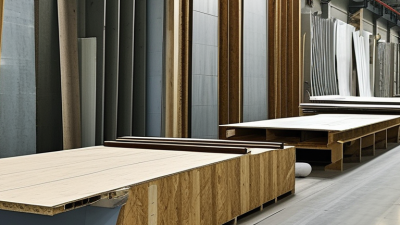
Plastic Laminated Plywood is becoming a practical choice for furniture, transport interiors, laboratories, retail fixtures, and high-use wall systems. Its value comes from a layered structure: strong plywood beneath a durable plastic surface. That surface can resist moisture, stains, abrasion, and repeated cleaning. Performance still depends on core quality, adhesive selection, pressing accuracy, and edge sealing.
Recent FAO forestry statistics show that wood-based panel production remains concentrated in Asia, with China holding a major share of global output. Market studies from Grand View Research and MarketsandMarkets also identify construction, furniture, and interior renovation as important demand sectors. However, these reports often group laminated panels into wider categories. Direct comparisons between Plastic Laminated Plywood manufacturers therefore require careful checking.
Dr. Alex C. Wiedenhoeft, a wood scientist associated with the USDA Forest Products Laboratory, has emphasized a basic truth: “Wood is not a homogeneous material.” That reminder matters. Two panels may look identical under showroom lighting, yet differ significantly after humidity changes, edge impact, or daily cleaning. Leading manufacturers should therefore demonstrate more than attractive finishes. Their technical evidence should include panel thickness tolerance, bond performance, surface durability, formaldehyde compliance, and documented quality controls.
This guide examines major Plastic Laminated Plywood manufacturers worldwide through those practical criteria. It considers production capability, product consistency, certifications, customization, and regional supply strength. Rankings are never perfect. A supplier may perform well in one climate, application, or price segment, but not in another. Buyers should verify current test data before making a final decision.
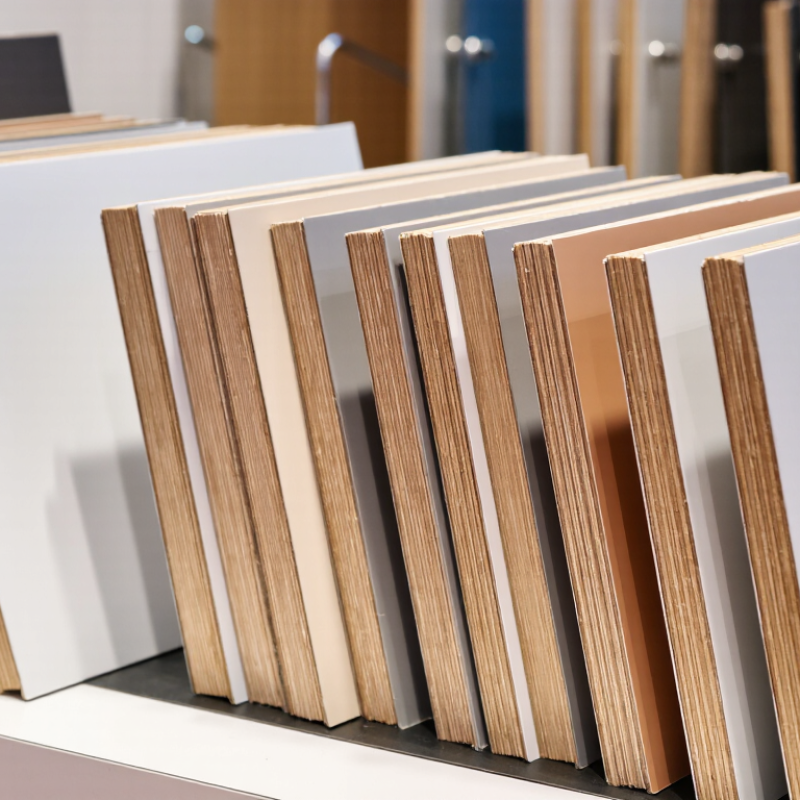
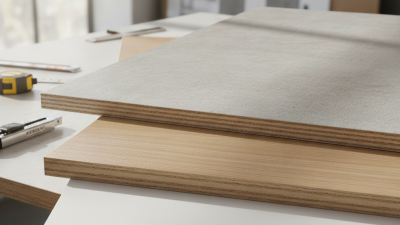
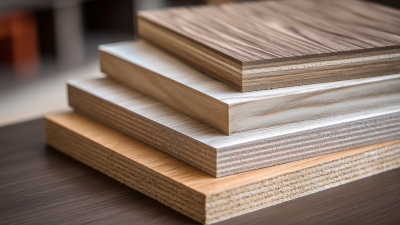
Plastic laminated plywood is a layered wood panel with a decorative or protective plastic surface. Manufacturers bond high-pressure laminate, melamine film, or polypropylene film onto plywood cores. The result combines plywood’s structural strength with a smoother, more resistant exterior. Core veneers usually run in alternating directions, reducing warping and improving load distribution.
The surface helps resist moisture, stains, abrasion, and repeated cleaning. It does not make the panel completely waterproof. Exposed edges can still absorb water and swell. Testing under ASTM D1037 commonly examines water absorption, thickness swelling, and panel strength. EN 438 also provides performance criteria for high-pressure decorative laminates. According to FAO’s Global Forest Resources Assessment 2020, forests cover about 4.06 billion hectares worldwide, making responsible wood sourcing a meaningful purchasing concern. Yet, certification alone cannot prove every panel was manufactured well.
Tips: Check the face material, core species, adhesive class, and edge sealing before ordering. Ask for test results, not only marketing claims. A dense surface may feel premium, but poor bonding can cause bubbling under heat. In practice, installers should leave small expansion gaps and protect cut edges immediately. This detail is often missed.
Plastic laminated plywood suits furniture, laboratory worktops, transport interiors, wall panels, and retail fixtures. However, outdoor exposure requires a product specifically engineered for ultraviolet radiation and changing temperatures. Performance depends on the laminate, adhesive, plywood grade, machining quality, and installation environment.
Plastic laminated plywood begins with disciplined veneer preparation. Logs are peeled into thin sheets, then dried to a controlled moisture range. Excess moisture can cause bubbles, warping, or weak bonding.
Manufacturers grade veneers for knots, splits, and thickness variation. Sheets are cross-laid, coated with structural adhesive, and hot-pressed under controlled pressure and temperature. The plywood core is calibrated before plastic laminate is applied. A clean, dust-free surface matters. Even a small grain particle can create a visible ridge. Pressing time depends on panel thickness, adhesive chemistry, and production conditions.
Material standards help buyers compare performance, but they need careful interpretation. Plywood may be classified under EN 636 for intended service conditions, while bonding quality can relate to EN 314 requirements. Decorative high-pressure laminate may follow EN 438 or comparable regional specifications. These references do not replace testing. Density, screw holding, water resistance, thickness tolerance, and surface wear should be verified through documented reports.
Quality teams often inspect panel edges, laminate adhesion, flatness, and color consistency. Samples should face humidity cycling and heat exposure before large orders. Real factory experience shows that results can change between batches. That is inconvenient. A manufacturer’s process sheet should identify veneer species, adhesive type, pressing parameters, laminate thickness, and inspection frequency. Some specifications remain unclear, and buyers should question them rather than assume compliance.
| Manufacturing Region | Typical Plastic-Laminated Plywood Products | Core Veneer and Panel Construction | Laminate Application Process | Common Adhesive Systems | Typical Performance Characteristics | Relevant Material or Testing Standards | Typical Quality-Control Checks |
|---|---|---|---|---|---|---|---|
| East Asia | Film-faced plywood for concrete formwork, transport flooring, industrial platforms and reusable panels. | Rotary-cut hardwood or softwood veneers arranged in cross-laminated layers; commonly supplied in odd-ply constructions such as 7, 9 or 11 plies. | Phenolic or melamine-impregnated paper film is hot-pressed onto calibrated plywood faces. Edge sealing is commonly used to reduce moisture ingress. | Phenol-formaldehyde, melamine-urea-formaldehyde and moisture-resistant structural resin systems. | Low water absorption at the coated face, smooth release surface, improved abrasion resistance and suitability for repeated formwork cycles when properly maintained. | ISO 12465; EN 314-2; EN 636; ASTM D3043; ASTM D3500, where applicable. | Panel thickness, density, veneer gaps, bonding strength, surface film adhesion, water absorption, dimensional tolerance and visual defects. |
| Northern and Central Europe | Birch-based laminated plywood for vehicle floors, machine guards, warehouse platforms and demanding interior applications. | Fine, uniform birch veneers with a high number of thin plies; cross-banded construction provides balanced strength and dimensional stability. | Phenolic film or compact laminate is bonded under controlled temperature and pressure after sanding and moisture conditioning. | Phenol-formaldehyde for exterior or high-moisture exposure; melamine-modified systems for improved bond durability. | High bending strength, consistent machining quality, good screw-holding capability and strong resistance to surface wear. | EN 314-2 bonding classes; EN 636 use classes; EN 13986 for wood-based panels used in construction; EN 310 for bending properties. | Veneer thickness, panel flatness, modulus of elasticity, bending strength, glue-line integrity, surface roughness and formaldehyde emissions. |
| North America | Structural plywood with phenolic overlay for concrete forming, truck and trailer decking, industrial flooring and outdoor applications. | Softwood or mixed-species veneers graded for structural performance; face and back grades are selected according to the intended use. | Overlay paper is impregnated with thermosetting resin and pressed onto the plywood surface. Cut edges may receive sealant or coating. | Exterior-grade phenolic resin and other durable structural adhesives qualified for the specified exposure category. | Good structural capacity, impact resistance and weather durability when edge protection and installation details are properly controlled. | U.S. PS 1; ASTM D3043; ASTM D3498; ASTM D5456; CSA O121 or CSA O151, depending on species and product category. | Span-rated strength, glue-bond durability, panel dimensions, thickness, surface defects, moisture content, overlay adhesion and edge integrity. |
| South and Southeast Asia | Hardwood film-faced plywood for construction formwork, commercial vehicle floors, shelving and general-purpose laminated panels. | Mixed hardwood veneers or plantation-grown timber veneers assembled in cross-banded layers; core composition varies by grade and market. | Resin-treated film is laminated by hot pressing. Some products use wire mesh, embossed film or textured overlays for improved slip resistance. | Phenol-formaldehyde and melamine-enhanced resin systems are widely used for moisture-resistant bonding. | Good surface release, moderate-to-high wear resistance and practical reuse in construction when panels are sealed, cleaned and stored correctly. | EN 314-2; EN 636; ISO 12465; AS/NZS 2269 for structural plywood supplied to the Australian and New Zealand markets. | Bond-line durability, film weight, coating continuity, water resistance, panel squareness, thickness tolerance and formaldehyde classification. |
| Oceania | Structural laminated plywood for flooring, formwork, transport bodies, marine-related components and outdoor construction. | Softwood or hardwood veneers manufactured into balanced panels; face grades and treatment levels are selected for the exposure environment. | Phenolic overlay or resin-coated surface is applied through controlled hot pressing; preservative treatment may be specified separately from lamination. | Exterior-grade phenolic adhesives and other adhesives compliant with the required structural durability class. | Structural reliability, resistance to intermittent wetting and suitability for transport or construction applications with correct detailing. | AS/NZS 2269; AS/NZS 2098 test methods; AS /NZS 1604 for preservative-treated products where treatment is specified. | Bond quality, bending strength, stiffness, veneer grade, moisture content, treatment penetration, surface wear and dimensional stability. |
| Latin America | Film-faced panels, hardwood plywood with resin overlays and laminated boards for concrete forming, furniture components and transport applications. | Plantation-grown hardwood or softwood veneers, commonly arranged in cross-laminated panels with face grades matched to the end use. | Decorative or industrial film is bonded after veneer drying, grading, assembly and hot pressing; edge coating is used for higher moisture exposure. | Phenolic, melamine-urea-formaldehyde and other moisture-resistant resin adhesives selected according to product grade. | Balanced construction, improved surface durability and resistance to short-term moisture exposure; long-term outdoor performance depends on edge sealing and design. | ISO 12465; EN 314-2; EN 636; ASTM D3043; local structural plywood requirements where applicable. | Veneer moisture content, glue spread, press parameters, bonding strength, panel dimensions, surface coverage and emissions testing. |
| Middle East and Africa | Imported and locally converted film-faced plywood for concrete formwork, site platforms, truck flooring and temporary structures. | Hardwood or softwood plywood cores selected for availability, structural grade and climatic suitability; construction may use 5 to 13 plies. | Phenolic film is hot-pressed onto sanded faces; additional coating or edge sealing is recommended for high heat, dust and moisture conditions. | Exterior-grade phenolic and melamine-modified adhesives, subject to the declared exposure class and project specification. | High resistance to surface contamination and concrete adhesion, with performance strongly influenced by storage, edge sealing and thermal cycling. | EN 314-2; EN 636; ISO 12465; ASTM D3043; project-specific construction specifications. | Film adhesion, delamination, thickness, flatness, edge sealing, moisture content, bending properties and resistance to repeated wetting and drying. |
| Global Material-Compliance Benchmark | Plastic-laminated plywood specified for structural, industrial, transport, marine or decorative use. | Panel design should identify wood species, veneer grade, number of plies, nominal thickness, density range and intended service conditions. | Manufacturing records should identify film type, resin type, press temperature, press pressure, pressing time and surface preparation method. | Adhesive selection must correspond to the required durability class, moisture exposure, emissions limits and structural design requirements. | Performance should be verified rather than inferred from appearance; plastic overlay improves the surface but does not automatically make the core waterproof. | ISO 12465; EN 314-1 and EN 314-2; EN 636; EN 13986; ASTM D3043; PS 1; AS/NZS 2269, according to the destination market. | Documented traceability, third-party or laboratory testing, production sampling, dimensional inspection, bond testing, emissions verification and conformity records. |

Plastic laminated plywood manufacturers are concentrated near large timber, resin, and construction markets. Regional production hubs matter because transport costs can quickly outweigh low factory prices. The FAO’s Global Forest Products Facts and Figures 2023 reports that Asia-Pacific produces more than 70% of global wood-based panels. This makes coastal and inland clusters across China, Southeast Asia, and South Asia especially influential.
China remains the largest manufacturing center, supported by extensive panel capacity, adhesive supply, and export infrastructure. Vietnam and Indonesia are gaining attention for plantation-based timber processing and proximity to maritime routes. In Europe, production is more dispersed. Central and Eastern European facilities benefit from managed forests, engineered-wood expertise, and access to automotive and interior markets. North American plants often serve regional construction demand, where moisture resistance and durable surfaces support commercial applications.
Quality varies between factories. It is not only about production volume. Buyers should examine laminate thickness, bond strength, formaldehyde testing, edge sealing, and consistency across batches. The International Organization for Standardization links plywood evaluation with structural performance, dimensional stability, and bonding quality. However, public data often combines ordinary plywood with laminated panels. That weakens direct market comparisons. A 2024 market assessment by Grand View Research places the broader plywood market above 80 billion US dollars, but plastic-laminated plywood remains a narrower segment. Factory audits, sample testing, and traceable timber records still reveal more than rankings alone. Some manufacturers look efficient on paper, yet small defects appear after repeated humidity cycles.
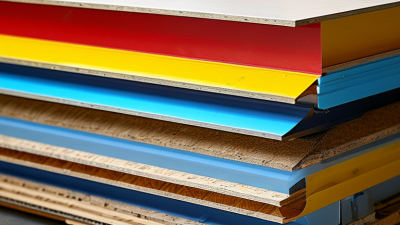
Plastic laminated plywood manufacturers worldwide produce panels for demanding environments, but product quality varies by construction and surface design. Common types include high-pressure laminate plywood, melamine-faced plywood, and compact resin-coated panels. High-pressure surfaces resist abrasion and many household chemicals. Melamine panels offer cleaner appearance and lower cost. Compact coatings provide stronger moisture protection, although they may increase weight.
In commercial interiors, laminated plywood appears in counters, lockers, wall panels, cabinets, and display fixtures. Transport interiors often require lightweight sheets with stable edges. Workshops may prefer textured surfaces that hide scratches and fingerprints. In my experience, edge sealing matters as much as the face layer. Poorly sealed edges can absorb moisture quickly. Small details matter.
Performance comparisons should examine bending strength, screw holding, water resistance, surface hardness, and formaldehyde emissions. Thicker plywood usually supports heavier loads, but thickness alone does not prove durability. Core quality, adhesive coverage, and pressing temperature also influence results. Laboratory data helps, yet site conditions can expose weaknesses. No panel wins every test. A glossy surface may clean easily but reveal fine scratches. A textured finish may look less refined but perform better in busy areas. Buyers should request samples, technical data, and independent test reports before selecting a manufacturer. Even reliable comparisons remain limited when installation quality is ignored.
Typical service-temperature bands for major plastic-laminated plywood product types. Actual performance depends on the plywood core, adhesive system, laminate thickness, and exposure conditions.
Phenolic film-faced plywood is commonly selected for concrete formwork and transport floors because of its abrasion and moisture resistance. HPL plywood is widely used for furniture, interiors, and laboratory surfaces, while PVC- and PP-laminated plywood are often used in hygienic wall panels, vehicle interiors, marine fit-outs, and washable cabinetry. The temperature values shown are indicative industry ranges rather than brand-specific guarantees.
Selecting a suitable supplier requires more than comparing prices and catalog photographs. FAOSTAT’s Forestry Production and Trade database recorded global wood-based panel production at roughly 400 million cubic meters in 2022. That scale makes traceability essential. Request the mill’s production address, batch records, core-veneer specifications, and quality-control procedures. A reliable manufacturer should explain how it controls moisture, adhesive spread, pressing temperature, and laminate bonding. Ask for recent test reports, not prepared samples only. One flawless panel proves very little.
Use measurable criteria. EN 438-2 can support testing for laminate resistance to abrasion, impact, staining, and surface wear. For plywood performance, suppliers may provide results aligned with EN 314 or applicable ASTM methods. Check thickness tolerance, warping, edge integrity, delamination, and moisture content from several production batches. Formaldehyde documentation should match the destination market, such as testing under ISO 12460 methods or applicable regional regulations.
Good paperwork matters. It is not the same as good plywood. An independent laboratory can verify doubtful claims. Factory audits also reveal practical details, including dusty storage areas, damaged pallets, and inconsistent labeling. I would score each supplier across quality, consistency, lead time, corrective action, and communication. My own weak point would be trusting a low quotation too early; replacement costs and installation delays can quickly exceed the initial saving.