Leave Your Message

How to Choose the Best Melamine Plywood Sheet?

Choosing the right Melamine Plywood Sheet is more than comparing color, price, and surface gloss. The best option depends on your project’s moisture exposure, load requirements, edge treatment, and installation method. A kitchen cabinet, retail counter, and bedroom wardrobe may need very different sheet specifications. Appearance matters. Performance matters more.

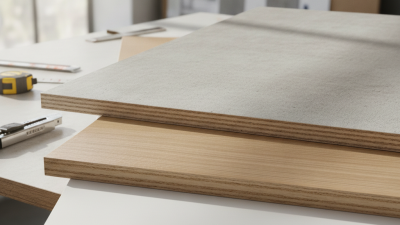
Experienced buyers usually begin with the plywood core. Check the number of layers, veneer alignment, density, and visible gaps along a freshly cut edge. A stable core helps prevent warping when panels are transported or installed. Then inspect the melamine surface under bright, angled light. Look for consistent color, clean printing, firm bonding, and edges without swelling. Run your hand across the panel. It should feel smooth, not brittle or unusually rough.

Do not trust a perfect showroom sample alone. A polished surface can hide weak internal construction. Request technical data, thickness tolerance, moisture guidance, and emissions documentation from the supplier. Confirm whether the product meets the standards required in your market. Reliable manufacturers should identify their core materials and quality-control process clearly. Independent testing can provide additional confidence for demanding applications.

There is no universal “best” sheet. That idea sounds convenient, but it is incomplete. A budget panel may work well in a dry wardrobe, yet fail in a humid utility room. Consider the full service life, not only the purchase price. Compare samples after cutting, drilling, and edge-banding. Small defects become obvious then. Careful evaluation turns a visually attractive panel into a dependable material choice.
How to Choose the Best Melamine Plywood Sheet?

Understanding Melamine Plywood Structure and Core Materials

How to Choose the Best Melamine Plywood Sheet?

Understanding Melamine Plywood Structure and Core Materials

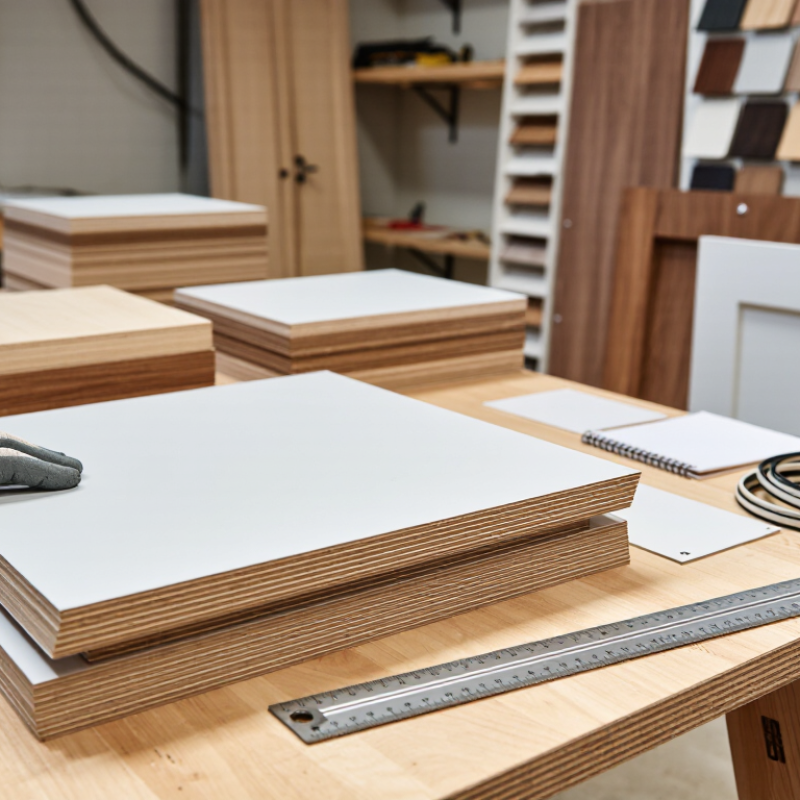
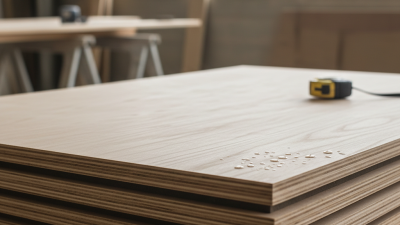
Melamine plywood usually combines a decorative resin surface with a layered plywood core. The surface resists stains, light scratches, and daily moisture. The core provides most of the sheet’s strength. Look closely at the edge. Even plies, tight bonding, and minimal gaps suggest better manufacturing control.

Core material affects performance. Hardwood plywood generally offers stronger screw holding and cleaner edges than softwood grades. A stable core also reduces warping across wide cabinet doors. However, no sheet stays perfectly flat in poor storage conditions. Keep panels supported, dry, and away from direct sunlight. I once trusted a smooth face and ignored a weak edge. The finished cabinet looked good, but the hinge screws loosened later.

Tips: Check the panel’s thickness with a caliper. Press lightly along the edge for hollow spots. Ask for core details, bonding standards, and moisture guidance. For kitchens or utility rooms, confirm whether the sheet suits humid conditions. Melamine surfaces are not automatically waterproof. Cut edges need proper sealing, especially near sinks. Also inspect the back face, because uneven backing can complicate installation. A small sample cut can reveal more than a perfect showroom panel.
Assessing Surface Finishes, Colors, Textures, and Decorative Options

How to Choose the Best Melamine Plywood Sheet?

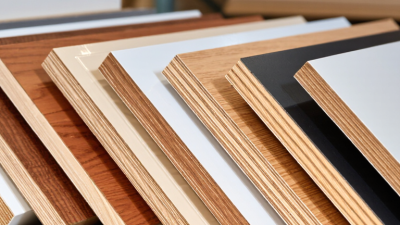
A melamine plywood sheet should match both the room and its daily use. Start by examining the surface finish under direct light. Glossy finishes reflect light strongly and can expose fingerprints, scratches, or uneven edges. Matte surfaces hide minor marks better and feel calmer in bedrooms or offices. Texture matters too. A woodgrain pattern adds warmth, while a smooth finish supports a cleaner, contemporary appearance. Light reveals flaws. Touch matters.

Color should work with nearby flooring, walls, and hardware. Warm whites can soften a compact room, while deeper tones create visual weight. Request a physical sample because digital colors often appear inaccurate.

Decorative options include stone effects, fabric-like patterns, fine woodgrains, and solid colors. Choose patterns carefully around cabinet doors and panels. Repeated grain lines may look attractive on a sample but distracting across a large installation.

In my experience, highly detailed textures also require more careful cleaning. That detail is easy to underestimate.

Tips:

Compare samples in morning and evening light. Check the edge finish, not only the face. Run a clean cloth across textured surfaces to test maintenance. Ask for technical information about scratch resistance, cleaning limits, and formaldehyde emissions. A small sample cannot show every visual issue, so review a larger panel when possible. I once selected a beautiful dark texture that made a hallway feel narrower. It looked impressive, but the space needed more reflected light.

Choosing the Right Thickness, Size, Grade, and Edge Treatment

Choosing melamine plywood starts with the load, span, and installation method. In workshop projects, 18 mm sheets often suit cabinet sides and adjustable shelves. Lighter 12 mm panels can work for small doors, but long spans may sag. Measure the opening twice, including clearance for hinges and drawer hardware. A 2440 x 1220 mm sheet is common, yet room access can matter more than sheet yield. Check the supplier’s actual dimensions before cutting. Minor variations happen.

Grade should match the visible surface and structural demand. A uniform decorative face suits doors and open shelving. A lower visual grade may be acceptable inside a cabinet. Inspect both faces under direct light. Look for bubbles, chipped corners, uneven color, and exposed core lines. The plywood core should feel stable, with tight plies and no soft voids near screw locations. Ask for technical data covering moisture resistance, emissions, and allowable uses. “Moisture resistant” is not waterproof. That distinction is easy to miss.

Edge treatment protects the core and changes the finished appearance. Edge banding gives a clean line on shelves and panels. Solid-wood lipping handles repeated impacts better, but it needs careful bonding and sanding. For sink cabinets or humid rooms, seal cut edges before assembly. I once focused too much on the face color and underestimated edge durability. The result looked good but needed repair sooner than expected. Test one offcut first. It reveals tear-out, adhesive behavior, and whether your chosen thickness feels right in the hand.

How to Choose the Best Melamine Plywood Sheet?

Choosing the right thickness, size, grade, and edge treatment helps balance strength, appearance, handling, and material efficiency.

How to read the chart: The bars compare the surface area of commonly specified nominal melamine plywood sheet formats. Larger sheets can reduce joints, but they may require more handling space and stronger support during installation.

Thickness: Select a thicker sheet for longer spans, shelves, doors, and high-load applications; thinner panels are generally suitable for lightweight backs, partitions, and smaller components.

Grade: Confirm the plywood core quality, face appearance, moisture resistance, and formaldehyde classification against the project specification. Higher visual and structural requirements usually require a higher grade.

Edge treatment: Use compatible edge banding or sealing to protect exposed edges from impact and moisture while matching the melamine surface.

Sheet dimensions are nominal and may vary by manufacturer, region, and product specification.

Comparing Moisture Resistance, Durability, Safety, and Maintenance Needs

How to Choose the Best Melamine Plywood Sheet?

Moisture resistance starts with the core, not the decorative surface. Melamine paper resists splashes, but exposed edges can absorb water quickly. The USDA Forest Products Laboratory reports that wood-based panels exchange moisture with surrounding air. Indoor humidity changes can therefore cause swelling, warping, or joint movement. Check the edges.

For kitchens and utility rooms, choose panels with sealed edges and low moisture uptake. EN 312 classifies particleboard by performance conditions, but melamine plywood still needs project-specific testing. A sink cabinet deserves better protection than a dry bedroom shelf.

Water still wins. In my workshop, a small unsealed cut caused more damage than the broad laminate surface. That mistake remains useful.

Durability also depends on face hardness, screw holding, and cleaning habits. The European Panel Federation reports that engineered wood products are widely used because their strength and dimensional stability can be designed consistently.

Safety requires verified formaldehyde testing. Under EPA TSCA Title VI, the hardwood plywood limit is 0.05 ppm, measured through approved test methods. Ask for recent certificates, not vague “low-emission” claims.

Clean with a damp cloth and mild detergent; abrasive powders can dull the finish. Avoid standing water. I still prefer rounded, sealed edges, although they slightly increase fabrication time.

Matching Melamine Plywood to Furniture, Cabinetry, and Interior Applications

Choosing the best melamine plywood starts with the furniture’s actual use, not just its color. For wardrobes, bookcases, and desks, 18 mm plywood usually provides stable support and reliable screw holding. Smaller cabinet doors may need lighter sheets to reduce hinge stress. Check the panel’s flatness under strong side lighting. Small waves can become obvious after installation.

Cabinetry demands more attention around edges and joints. In kitchens, sealed edges help limit moisture entry near sinks and dishwashers. A durable melamine surface resists everyday stains, but it is not waterproof. Use suitable edge banding and avoid leaving standing water on exposed cuts. For tall cabinets, confirm the sheet remains rigid across its full span. I once selected a color perfectly, but overlooked the hinge load. The doors later needed adjustment.

Interior wall panels and built-in storage may prioritize appearance over heavy impact resistance. Light finishes can make narrow rooms feel larger, while darker textures reveal dust and fingerprints more easily. Match the surface texture with the room’s lighting; glossy panels can reflect harsh ceiling spots. Also inspect the plywood core, emission documentation, and manufacturing tolerances before ordering. Samples help, although one small sample cannot show every shade variation across a full sheet.

How to Choose the Best Melamine Plywood Sheet? - Matching Melamine Plywood to Furniture, Cabinetry, and Interior Applications

Application Recommended Plywood Construction Typical Thickness Melamine Surface Selection Recommended Finish and Color Key Performance Requirements Important Installation Notes
Kitchen Cabinets and Tall Units 15–18 mm for cabinet carcasses; 18–25 mm for shelves with longer spans Decorative melamine on both faces for visible panels and interior surfaces Low-sheen or textured wood grain; light colors can improve visual brightness Good screw-holding strength, dimensional stability, easy cleaning, and resistance to everyday abrasion Seal exposed edges, cut-outs, and joints. Use moisture-resistant construction where the panel may experience occasional splashes.
Bathroom Vanities and Utility Cabinetry Moisture-resistant plywood with a durable bonded surface; avoid untreated edges 15–18 mm for doors and cabinet sides; 18–25 mm for countertops or shelves Moisture-resistant melamine surface with sealed or edge-banded perimeter Light, neutral, or stone-inspired patterns for a clean interior appearance Low water absorption at properly protected edges, stain resistance, and easy maintenance Melamine plywood is not waterproof. Keep it away from standing water and protect sink openings, fastener holes, and all cut edges.
Bedroom Wardrobes and Closets Lightweight or standard hardwood plywood with a smooth, flat face 15–18 mm for carcasses and shelves; 6–12 mm for selected back panels Double-sided decorative melamine for shelves, partitions, and doors Wood grain, solid colors, or fabric-inspired textures; matte surfaces help reduce visible fingerprints Dimensional stability, resistance to scratching from daily use, and reliable edge finishing Provide adequate shelf support. Use thicker panels or a front stiffener for wide shelves carrying heavy loads.
Living Room Storage and Media Units Flat, stable plywood selected according to span, load, and visible design requirements 15–18 mm for general carcasses; 18–25 mm for long shelves and structural tops Decorative melamine on exposed faces; matching or contrasting surfaces can define sections Wood, concrete, stone, or solid-color patterns with matte or synchronized textures Surface uniformity, scratch resistance, load capacity, and clean visual alignment Use concealed supports carefully because screw locations and edge distances affect holding strength.
Office Desks and Workstations Stiff plywood with a consistent core and sufficient thickness for the desktop span 18–25 mm for desktops; 15–18 mm for pedestals and partitions Wear-resistant melamine on the working face; balanced construction is preferred for large panels Low-glare matte or textured finish to reduce reflections in work areas Resistance to abrasion, stains, writing-related contact, and localized fastening loads Support long spans with a frame, modesty panel, or intermediate support. Protect edges from impact and moisture.
Retail Fixtures and Display Shelving Higher-strength plywood selected for repeated assembly, transport, and shelf loading 18–25 mm for shelves and counters; 12–18 mm for back panels and dividers Durable decorative melamine; use matching surfaces on both sides when panels are visible from multiple directions High-contrast solids, wood grains, or stone patterns according to the display concept Impact resistance, edge durability, stable dimensions, and easy replacement or cleaning Design shelves for the expected load and span. Reinforce frequently moved panels and protect corners during transport.
Interior Wall Paneling and Decorative Partitions Flat plywood suitable for visible architectural panels and secure mechanical fixing 9–18 mm, depending on panel size, framing, and fixing method Single- or double-sided decorative melamine, depending on whether one or both faces are visible Wood grain, textile, stone, or solid-color designs; select texture based on lighting and touch frequency Panel flatness, color consistency, clean joints, and resistance to normal interior wear Allow for movement and use suitable trims or edge profiles. Do not use as an exterior cladding material unless specifically rated for it.
Children’s Furniture and Learning Areas Low-emission plywood with smooth, securely finished faces and rounded or protected edges 15–18 mm for furniture components; 18–25 mm for benches and load-bearing tops Smooth, easy-clean melamine with a durable finish and carefully sealed edges Soft neutrals or solid colors; avoid highly reflective finishes where glare may be distracting Cleanability, abrasion resistance, safe edge treatment, and compliance with applicable indoor-air and furniture requirements Verify the supplier’s formaldehyde-emission and safety documentation for the intended market. Round exposed corners and secure furniture against tipping.
Doors, Drawer Fronts, and Cabinet Faces Stable, balanced plywood suitable for machining and hinge or runner installation 15–22 mm for doors and drawer fronts, depending on size and hardware Decorative melamine on the visible face; a balanced back surface helps reduce panel movement Wood grain, solid colors, or synchronized textures matched to the surrounding cabinetry Flatness, resistance to edge chipping, reliable hardware fixing, and consistent appearance Follow recommended hinge and screw distances. Apply edge banding or protective edging to all exposed perimeter edges.

Note: Thicknesses and performance requirements are general design guidelines. Final selection should be confirmed using the supplier’s technical data sheet, applicable local standards, expected load, panel span, indoor humidity, and edge-sealing method.