How to Choose the Right Plank Plywood for Your Project?
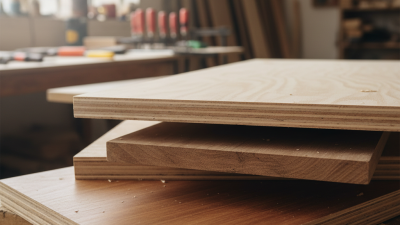
Choosing the right Plank Plywood starts with the job it must do. A shelf carrying heavy books needs different support from a decorative wall panel. Before comparing prices, note the intended load, board thickness, finish, and exposure to moisture. Small details matter. A sheet that looks smooth under showroom lights may reveal rough edges after cutting.
The term “plank” can describe different products, so check the actual panel construction and grade rather than relying on the label alone. Look for clear product specifications, consistent thickness, sound edges, and a suitable bonding classification for the intended environment. Measure the support spacing, too. A long, unsupported span can sag, even when the face veneer looks excellent.
Maya Chen, a fictional plywood specification specialist, offers this illustrative—not sourced—rule of thumb: “Choose for the conditions behind the finish, not just the surface you see.” It is a useful reminder, though not a substitute for product data. A quick inspection can catch chipped corners or uneven layers, but it cannot confirm every performance claim. That part deserves a second look. This guide explains how to compare Plank Plywood options with practical checks, clear specifications, and realistic expectations, so your final choice suits the project rather than merely fitting the budget.
What Plank Plywood Is and How It Is Made
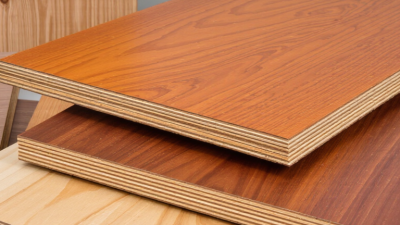
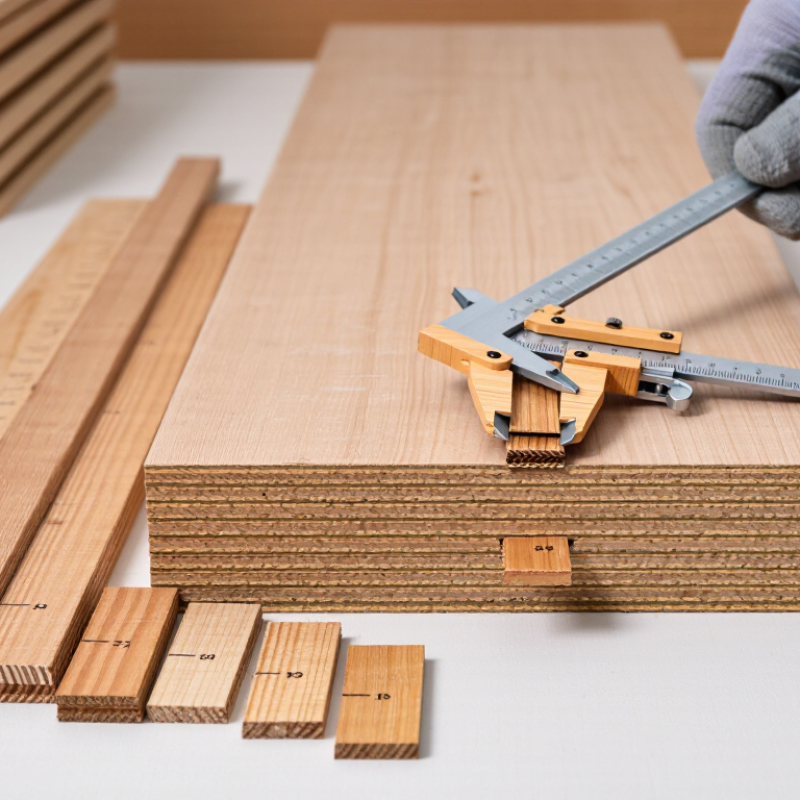
“Plank plywood” usually describes long, narrow plywood pieces, not one universally defined panel type. Its structure comes from thin wood veneers, typically peeled or sliced from logs. The veneers are dried, coated with adhesive, and stacked with neighboring grain directions crossing. Heat and pressure bond the layers into a stable panel, which is then trimmed and sanded. The USDA Forest Products Laboratory’s Wood Handbook explains this cross-layer construction and its role in limiting movement across the panel.
Small detail, big effect.
Manufacturing choices shape the finished plank. Veneer species affects appearance and strength; adhesive type and panel grade help determine suitable conditions of use. The FAO’s Global Forest Products Facts and Figures 2022 reports worldwide wood-based panel production of about 399 million cubic metres in 2022, showing the scale of this material category. That figure covers several panel products, not plywood alone.
For a project, check the panel’s stated thickness, grade, and exposure rating rather than relying on the word “plank.” A dry interior shelf and a damp utility area need different specifications. Even a clean-looking edge can hide voids between veneers. I would inspect a cut edge and confirm the product data sheet before choosing.
How to Define Your Project’s Structural and Visual Needs
How to Choose the Right Plank Plywood for Your Project?
How to Define Your Project’s Structural and Visual Needs
Define the loads, support spacing, and exposure before choosing a panel. A shelf, subfloor, and outdoor soffit face different demands. APA—The Engineered Wood Association’s Engineered Wood Construction Guide describes span ratings such as 24/16. The figures indicate panel suitability for roof supports spaced up to 24 inches and floor supports spaced up to 16 inches, under specified conditions. Check the panel stamp and project requirements; the rating is not a substitute for structural design. Moisture matters, too. Even plywood can swell or weaken when edges stay wet.
For visible surfaces, decide how much natural variation you can accept. A-grade faces are smoother and better suited to clear finishes, while lower face grades may show knots and patches. A flawless face can still be the wrong panel if it cannot handle the load. It is easy to focus on appearance and overlook support spacing; that choice deserves a second look.
Tips: Write down the panel thickness, support spacing, exposure, and finish before buying. Inspect the actual sheet for damaged edges, open voids, and uneven faces. Ask for documentation when a rating or grade is unclear.
How to Compare Plywood Grades, Cores, and Veneers
Compare grade, core, and veneer as separate decisions. The USDA Forest Products Laboratory’s Wood Handbook (2010) describes plywood as layers of veneer, usually with alternating grain direction. That cross-lamination helps balance movement, but it does not make every panel equally stable. Check the grade stamp and intended exposure before choosing.
Face grades describe appearance, not the whole panel’s strength. A-grade faces are smoother and have fewer visible defects; lower grades may show knots or patches. For painted shelving, those marks may not matter. For a clear-finished cabinet door, they will. The APA Engineered Wood Construction Guide explains span ratings as two numbers: the first gives maximum roof support spacing, the second subfloor spacing, in inches. Match the rating to the use, not just the panel thickness.
Core construction changes weight, flatness, and fastening behavior. Veneer-core panels are relatively light and often hold screws well at edges; MDF-core panels provide a smoother face for fine finishes but weigh more. Moisture exposure still matters. Not every “interior” panel tolerates a damp workshop. I would check the panel’s technical sheet, too; face appearance can distract from the more important core and bond details. A small mismatch becomes obvious when a shelf sags or a veneer edge chips.
How to Choose the Right Thickness, Size, and Finish
Choosing plank plywood starts with the load and span, not the shelf appearance.
A 24-inch shelf span may feel noticeably firmer with 3/4-inch plywood than with 1/2-inch, though support spacing and expected weight matter too. For floors or roof sheathing, match the panel’s stamped span rating to the joist spacing; thickness alone does not confirm suitability. APA’s Engineered Wood Construction Guide lists 4-by-8-foot panels as a standard format, but other sizes can reduce waste on unusual layouts. Measure the finished space, including cutouts. Small errors add up.
Finish depends on what people will see and touch. Choose a sanded face for visible interiors, then check the veneer grade and whether both sides need to look consistent. For paint, a smooth face and compatible primer help hide grain; clear finishes make veneer variation more obvious. USDA Forest Products Laboratory’s Wood Handbook—Wood as an Engineering Material (FPL-GTR-282) explains that wood responds to moisture changes, so seal exposed edges and allow panels to acclimate near the installation area. I still check samples under the project’s actual lighting; showroom color can mislead. Use the panel label and project specifications together, not a guess based on a familiar thickness.
How to Check Quality and Match Plywood to Its Intended Use
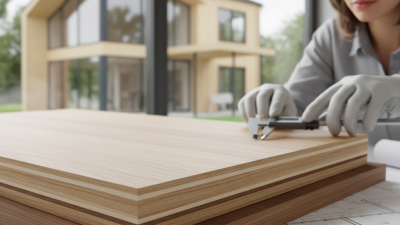
Before choosing plank plywood, inspect the panel itself, not just its grade stamp. Check that faces are flat, edges are firm, and layers show no gaps or separation. A flashlight held near the edge can reveal voids; a damp-looking patch or lifted veneer deserves a closer look.
The USDA Forest Products Laboratory’s Wood Handbook reports that wood’s fiber saturation point averages about 30% moisture content, though it varies by species. Below that point, moisture changes can cause shrinkage or swelling.
Store sheets flat and dry, then acclimate them near the installation area when conditions differ.
Match the panel’s rating and exposure classification to the job. APA’s Engineered Wood Construction Guide explains span ratings such as 24/16: the first number indicates roof-support spacing, the second floor-support spacing, in inches.
It is a useful check, not a universal promise; confirm the project’s loading and support details. For a painted interior cabinet, smooth face quality and stable thickness may matter most. For subflooring, prioritize the required span rating and a suitable exposure classification. Exterior use calls for an appropriate bond classification and protected edges.
I still double-check stamps against the actual sheet; labels can reassure, but they cannot reveal every hidden defect.