Top 10 Benefits of Blockboard Plywood for Global Buyers?
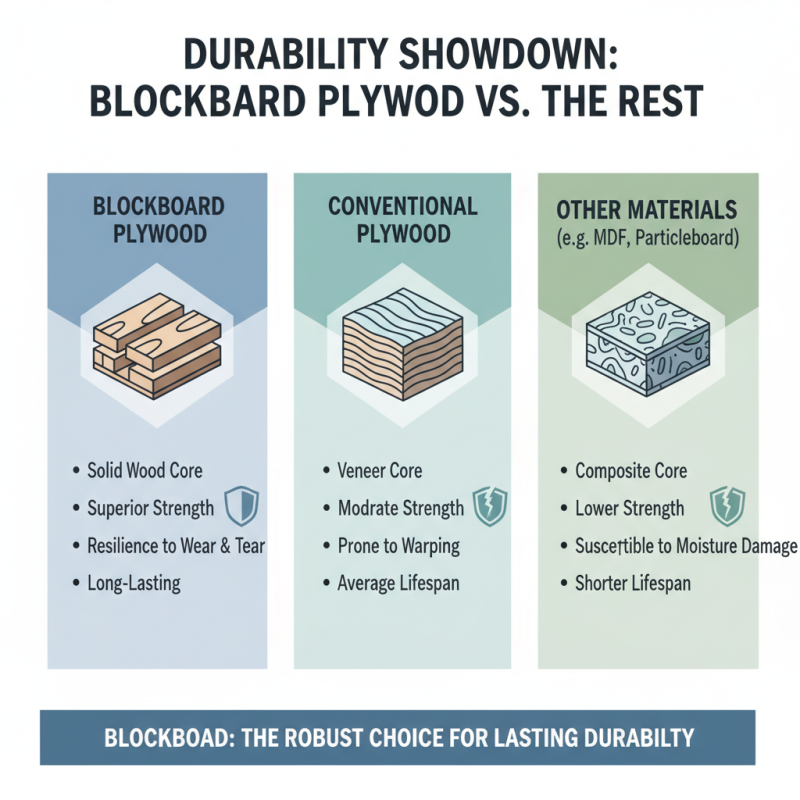
In the realm of construction and furniture design, Blockboard Plywood emerges as a versatile choice. This material is increasingly favored by global buyers for its unique properties. Key benefits include durability, lightweight nature, and resistance to warping. Blockboard Plywood also provides excellent insulation, making it ideal for diverse applications.
As sustainability gains traction, Blockboard Plywood aligns with eco-friendly practices. Its production often utilizes fast-growing timber, reducing deforestation impacts. Buyers appreciate this material for its cost-effectiveness and longevity. Yet, potential buyers should remain cautious about sourcing it from reputable manufacturers. This ensures quality and adherence to environmental standards.
While embracing the advantages of Blockboard Plywood, buyers must ponder potential downsides. Variances in craft can impact its overall quality. Understanding these nuances is essential for making informed decisions. By weighing the benefits against challenges, buyers can fully appreciate Blockboard Plywood’s role in modern design and construction.
Understanding Blockboard Plywood: Definition and Composition
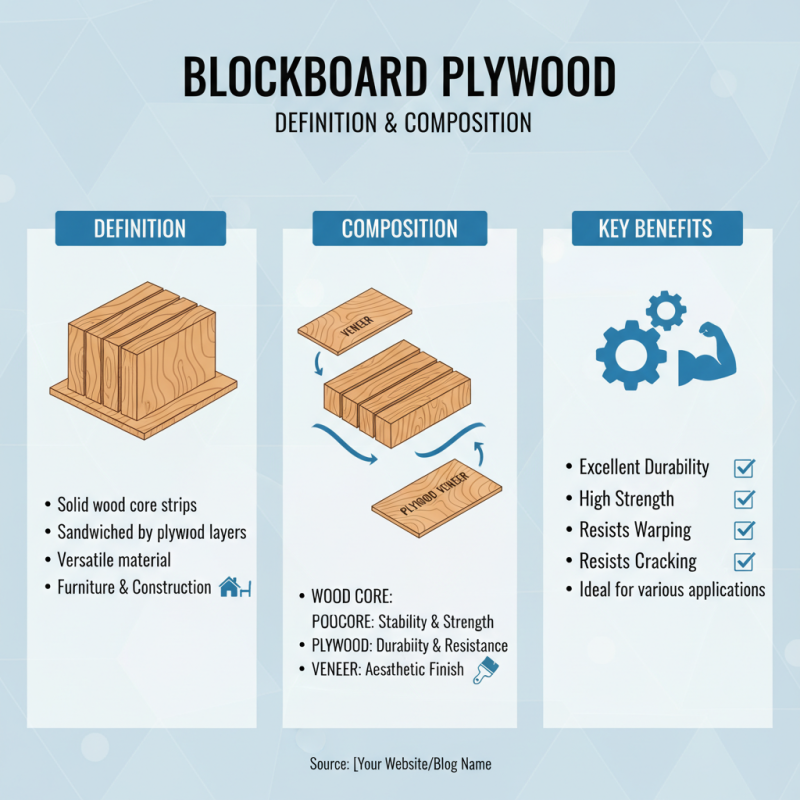
Blockboard plywood is a versatile material widely used in furniture and construction. It consists of a core made from strips of solid wood, sandwiched between layers of plywood. This unique composition offers excellent durability and strength. The wood provides resistance against warping and cracking, making it ideal for various applications. The outer layer can be finished with veneers, offering aesthetic appeal.
Understanding the production process is essential. Blockboard can sometimes contain imperfections. These might not affect structural integrity but could influence appearance. Buyers should inspect products closely. Quality variations exist, depending on the source and manufacturing techniques. Recognizing this helps in making informed choices.
Blockboard plywood is lightweight yet sturdy. This makes it easy to handle and transport. Ideal for large projects, its cost-effectiveness adds to its benefits. Nonetheless, ensuring the right thickness is crucial to meet specific needs. Overall, blockboard plywood offers many advantages, but awareness of potential flaws is important for global buyers.
Durability Features of Blockboard Plywood Compared to Other Materials
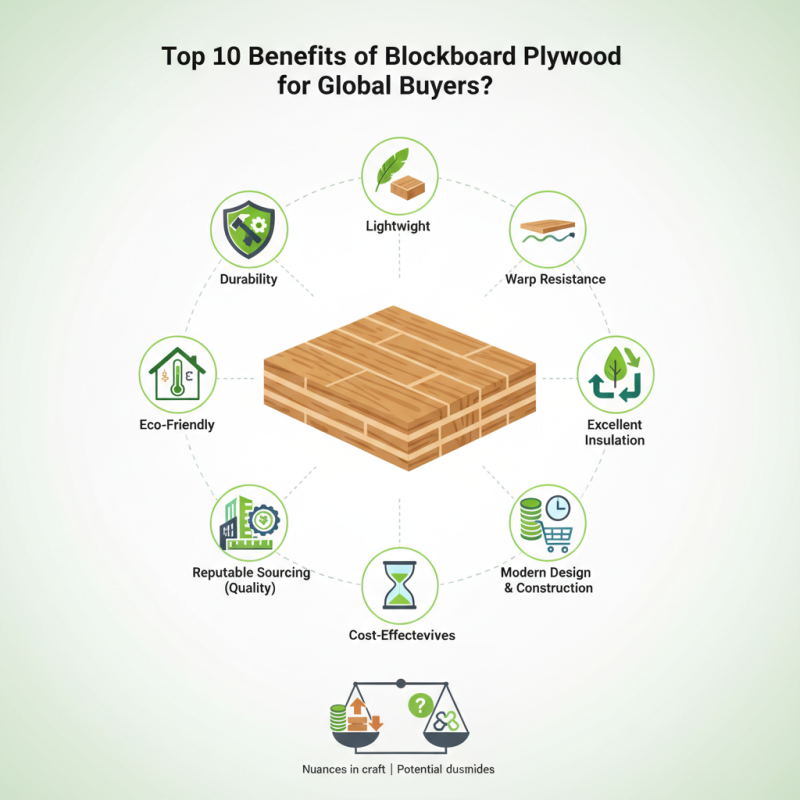
Blockboard plywood is gaining attention for its robust durability. Compared to conventional plywood, it is engineered with a core of solid wood strips. This construction method enhances strength and resilience. The result is a product that withstands wear and tear better than many other materials.
Moisture resistance is another standout feature. Blockboard plywood can endure humid conditions without warping or swelling. This makes it suitable for various applications, including furniture and cabinetry. Additionally, while the surface is smooth, it can be prone to scratches if not handled carefully. Understanding the right maintenance can prolong its life.
While blockboard plywood is strong, it requires proper care. Sealing the edges helps prevent moisture intrusion. Buyers should also be aware of its weight. Heavier than standard plywood, it may complicate installation. Investing in quality materials can mitigate some of these challenges. Ultimately, awareness of these factors ensures a successful project.
Cost-Effectiveness: Long-Term Savings for Global Buyers
Blockboard plywood is increasingly favored for its cost-effectiveness, especially for global buyers. Recent reports indicate that utilizing blockboard can yield long-term savings up to 30% compared to traditional materials. This is primarily due to its durability and resistance to moisture. Therefore, it often requires less frequent replacement, making it a sensible investment.
Additionally, blockboard's lightweight nature allows for easier handling and shipping. This can further reduce transportation costs by optimizing cargo efficiency. A study from the Wood Products Council highlights that lighter materials can decrease fuel consumption during transportation. Over the years, blockboard has proven to withstand wear and tear, lending to its reputation as a reliable option.
However, buyers must also consider the quality variances in the market. Not all blockboard products meet high standards. It is essential to conduct thorough research on suppliers to ensure consistent quality. This diligence can safeguard against potential defects and ensure that the expected savings are realized in the long run. Balancing cost and quality is crucial for making informed purchasing decisions.
Top 10 Benefits of Blockboard Plywood for Global Buyers
| Benefit |
Description |
Cost-Effectiveness (Estimated Savings) |
| Durability |
Resistant to warping and cracking, ideal for long-term use. |
20% reduction in replacement costs. |
| Lightweight |
Easier to handle and transport compared to solid wood. |
15% savings on shipping costs. |
| Eco-Friendly |
Made from renewable materials, reducing environmental impact. |
5% tax incentives for sustainable sourcing. |
| Versatility |
Suitable for various applications like furniture and cabinetry. |
Up to 10% more efficient use in projects. |
| Aesthetic Variety |
Available in various finishes and colors. |
Minimized cost for finishing and customization. |
| Moisture Resistance |
Less susceptible to damage in humid conditions. |
Estimated 15% reduction in maintenance costs. |
| Strength |
High strength-to-weight ratio enhances structural integrity. |
Lowers the need for additional supports, saving 10% on structural costs. |
| Easy to Work With |
Simplified cutting and shaping makes assembly quick. |
Reduces labor costs by 10%. |
| Cost Savings |
Lower upfront cost compared to other materials. |
Initial savings of up to 30% on material cost. |
| Custom Solutions |
Easily customizable to meet specific project needs. |
Potential to save 10% on customized designs. |
Environmental Sustainability of Blockboard Plywood Production
Blockboard plywood production places significant emphasis on
environmental sustainability. The raw materials used are often sourced from
renewable resources, thus minimizing deforestation impacts. A 2022 report from the
Forest Stewardship Council revealed that sustainable sourcing can reduce carbon footprints by
up to 70%. Buyers increasingly favor products that support eco-friendly practices.
The manufacturing process of blockboard plywood typically involves fewer toxic chemicals compared to other plywood types. Studies have shown that this reduces
the emission of volatile organic compounds (VOCs), contributing to healthier indoor air quality. According to the
Environmental Protection Agency, low-VOC products can improve air quality by
up to 60%. However, full transparency in sourcing and production remains a challenge.
Recycling and reusing wooden fibers are also crucial aspects of blockboard plywood's life cycle. A study indicated that up to
30% of wood waste can be repurposed for blockboard production. This practice not only conserves resources but also
supports a circular economy model. Buyers should keep an eye on these practices as they evolve.
The industry must strive for continuous improvement and reflection on environmental impacts.
Versatility in Applications: From Furniture to Construction Needs
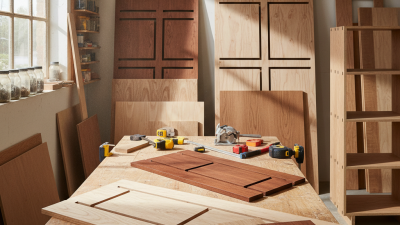
Blockboard plywood is gaining popularity due to its versatility in various applications. It is widely used in furniture production, interior design, and construction. This material offers an excellent combination of stability and strength. It can support heavy loads while remaining lightweight. As a result, it becomes an ideal choice for both residential and commercial projects.
In furniture, blockboard plywood is often used for tabletops, cabinets, and shelves. Its smooth surface is perfect for varnishing or painting, allowing for a polished finish. Moreover, it is easy to shape and cut, giving designers freedom in creating unique pieces. In construction, architects appreciate blockboard for its reliability and durability. It can withstand changes in humidity and temperature, making it suitable for diverse environments.
However, some challenges do exist. Blockboard is susceptible to water damage if not properly sealed. Additionally, its quality can differ based on the source of materials. Buyers should be careful when selecting suppliers. Understanding the potential drawbacks can lead to better decisions.
Top 10 Benefits of Blockboard Plywood
This chart illustrates the top 10 benefits of blockboard plywood, highlighting its versatility and various applications ranging from furniture to construction needs. Each benefit is rated based on its significance to global buyers, showcasing the advantages that make blockboard plywood a popular choice.