10 Best Plywood Laminated Board Suppliers for Global Buyers
Plywood Laminated Board is used in furniture, cabinetry, interiors, transport, and construction. Yet the name covers products with very different cores, veneers, adhesives, and surface finishes. For global buyers, a polished sample is only the starting point. Consistency matters more.
FAO’s Global Forest Products Facts and Figures 2023 tracks production and trade across wood-based panels, including plywood. The UNECE/FAO Forest Products Annual Market Review 2023–2024 provides further context on forest-product markets and trade flows. These reports are useful background, but they cannot verify a supplier’s factory performance. Buyers still need product-level evidence: technical data sheets, sample panels, quality-control records, and clear answers about thickness tolerances and moisture resistance.
Details show up on site. A panel may look flat in a showroom, then reveal uneven veneer or edge gaps after cutting. Ask suppliers how they control core construction, bonding, sanding, and packaging. Request applicable emissions and sourcing documents, and check that certificates match the product and manufacturing location. Trade terms, lead times, and damage policies also deserve written confirmation. Small omissions can become costly.
This guide compares 10 suppliers for international buyers, with attention to product range, manufacturing capability, documentation, and export support. No supplier is ideal for every project. The best fit depends on the specification, destination, and risk tolerance—and a comparison list cannot replace independent checks.
Understanding Plywood Laminated Boards and Their Global Uses
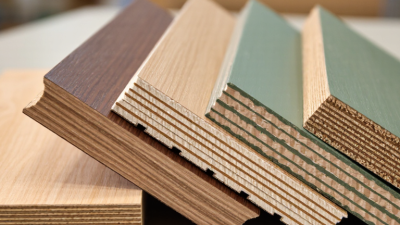
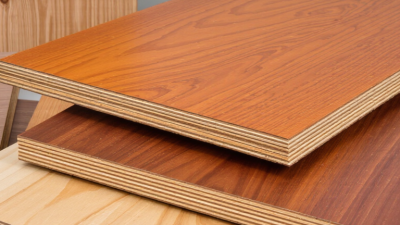
Plywood laminated boards combine thin wood veneers bonded in alternating grain directions, often with a decorative or protective surface layer. This construction helps limit splitting and improves dimensional stability, though performance depends on veneer quality, adhesive, thickness, and pressing. Details matter. A glossy face cannot compensate for weak core layers or poorly sealed edges. For buyers, confirm the board’s grade, thickness tolerance, surface finish, and intended exposure before comparing quotations.
Demand reflects varied applications, from cabinet sides and shop fittings to interior partitions and vehicle flooring. FAOSTAT’s 2022 forest-products data place global wood-based panel production at about 400 million cubic metres; this category includes plywood, fibreboard, and particleboard, so it is not a plywood-only figure. That distinction is useful when interpreting market scale. The FAO and UNECE Forest Products Annual Market Review also tracks changing forest-product markets, but country-level figures and product definitions can differ. A board suited to dry indoor furniture may not withstand repeated moisture or heavy loading. Even experienced buyers can miss this when samples look identical. Check technical sheets and test samples under realistic conditions.
Key Criteria for Evaluating International Suppliers
International supplier evaluation should begin with the board itself, not a polished catalog. Request the exact thickness, face-veneer grade, core construction, adhesive type, and allowable tolerances. A sample helps, but compare its edges and weight with the written specification. Details matter. Ask for recent test reports that identify the tested product and method, rather than accepting a general quality statement. Check whether production records can link a shipment to its batch. This makes a later claim easier to investigate.
Reliable communication is part of product quality. Ask how the supplier handles damaged packaging, specification changes, and delayed production, then note response times in writing. Confirm packing details, pallet dimensions, loading photos, and the documents your receiving team needs. Ask for proof. A clear quotation should distinguish the board price from sample, packing, and transport costs.
No checklist catches everything; a tidy sample can still hide variation across a full shipment. Consider a small trial order and inspect several sheets on arrival, including edges and surfaces. Some buyers focus too heavily on the lowest quote. I would treat that as a warning sign, not a final verdict: an unclear specification can make two prices impossible to compare fairly.
How to Compare Supplier Quality, Capacity, and Certifications
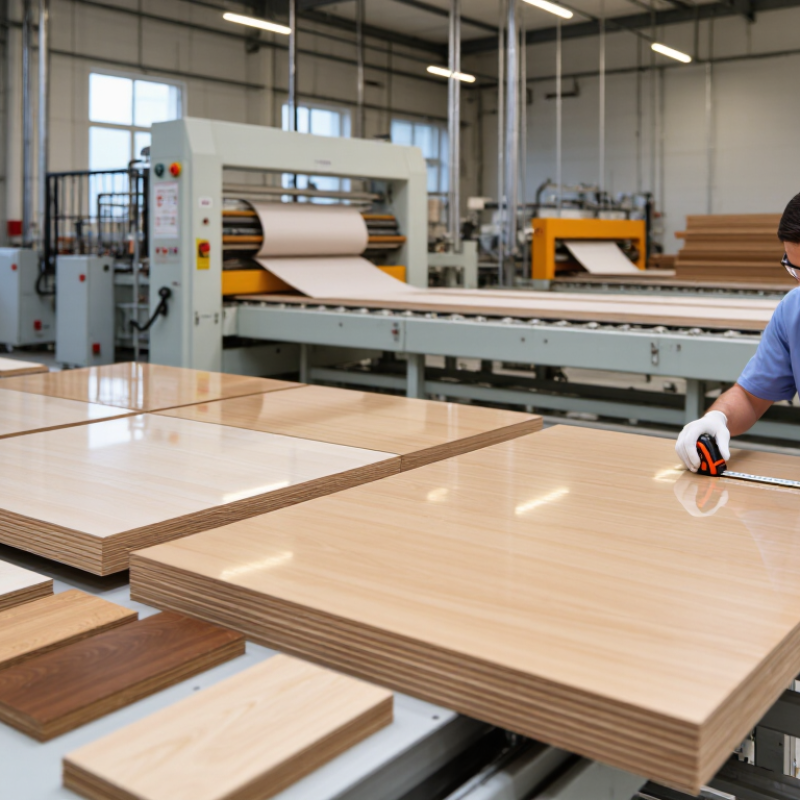
When comparing plywood laminated board suppliers, ask for a technical data sheet for the exact panel you plan to buy. Check thickness tolerance, veneer count, core construction, surface finish, and moisture range. Small defects matter. Examine a cut sample for gaps, uneven layers, and edge separation. Press or flex it gently, then inspect the face for bubbles or rough patches. A polished surface alone proves little.
Capacity is more than a large factory claim. Request typical monthly output, current lead time, and the number of shifts used during busy periods. Compare these figures with your order size and delivery schedule. Ask whether production records can link batches to dates and specifications. A trial order can reveal whether later shipments match the approved sample. That detail is easy to overlook.
Review certificates by checking their scope, expiry date, and issuing body. Confirm that they cover the relevant product or facility, not merely a different material. For performance claims, request test reports with methods and results. Paper can look reassuring. It cannot replace inspection. I would also ask how the supplier handles a batch that misses agreed tolerances; some answers sound tidy but lack a clear process.
Profiles of Ten Leading Plywood Laminated Board Suppliers
Profiles of Ten Leading Plywood Laminated Board Suppliers
A useful supplier profile goes beyond price. Check veneer species, core construction, laminate thickness, emissions documentation, and batch consistency. FAO’s Global Forest Products Facts and Figures 2022 reports roughly 400 million cubic metres of global wood-based panel production, showing the scale of this supply chain. Plywood laminated board is only one part of that total.
China-based suppliers often offer broad product ranges and high-volume capacity. Indonesian producers may specialize in tropical hardwood faces. Malaysian suppliers commonly serve export markets with mixed hardwood panels. Vietnamese factories can offer flexible lead times. Indian suppliers may provide varied grades for furniture and interiors. Finnish producers are associated with birch-based panels. Latvian suppliers can suit buyers seeking European sourcing. Turkish mills offer access to regional construction markets. Brazilian suppliers may use locally available plantation timber. Chilean producers often work with radiata pine. These are market tendencies, not guarantees; verify each mill’s actual specifications.
UNECE/FAO’s Forest Products Annual Market Review 2023–2024 tracks changing production and trade conditions, useful context when comparing suppliers across regions. Ask for recent test reports, sample boards, and written tolerances. Inspect the edge. A polished face can hide uneven core layers, and a sample may not represent a full shipment. One limitation remains: public reports rarely compare laminated-board quality supplier by supplier.
Sourcing, Shipping, and Due Diligence for Global Buyers
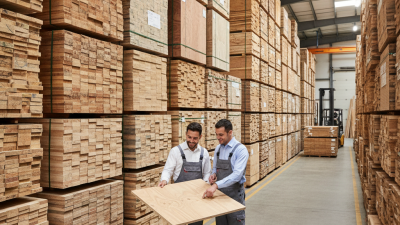
A reliable plywood laminated board purchase begins with a precise specification, not a broad product label. State the core material, finished dimensions, thickness tolerance, surface finish, and intended use. Ask suppliers for recent production photos and samples from the same grade you plan to order. Check edges for voids, compare panel thickness at several points, and inspect the laminate under angled light. Small defects matter.
Shipping details deserve equal attention. Confirm how many boards fit safely in each bundle, whether corner protection is included, and how moisture is controlled during packing. Request the loading plan and clear photos before the container is sealed. Compare quotations on the same delivery terms, port, packaging, and payment schedule; a low unit price can hide costly differences. Delays happen. Allow time for inspection and transit, especially when schedules are tight.
Due diligence should be practical and documented. Verify the supplier’s legal business details, production capacity, export experience, and references from comparable orders. Ask for current test reports and traceability documents relevant to your destination market, then confirm requirements with your customs broker or local authority. Use an independent inspection when order value or quality risk justifies it. Agree in writing on acceptable defects, replacement terms, and what happens if measurements fall outside tolerance. A polished sample is useful, but it cannot prove every production batch will match.