Leave Your Message
Melamine Wood Panels are widely used in furniture, cabinetry, shelving, and interior fit-outs. Their appeal is practical: a decorative surface comes factory-bonded to a wood-based core, reducing the need for separate finishing. Yet panels that look similar in a product photo may differ in core material, thickness, surface texture, and performance. Details matter.
This guide introduces ten common types for global buyers, including melamine-faced particleboard, MDF, plywood, and options designed for specific conditions. It explains what each core can offer, where it may work well, and which limitations deserve a closer look. A moisture-resistant core, for example, does not make every panel suitable for prolonged water exposure. Nor should a decorative finish be assumed to provide exceptional scratch or heat resistance without supporting product data.
For a reliable comparison, review technical datasheets, available test results, edge-banding compatibility, and sample quality. Check that stated dimensions, surface finishes, and core specifications match the supplier’s documentation. Requirements can vary by project and destination market, so buyers should confirm relevant product and emissions criteria with qualified sources. Small inconsistencies can matter. A sample with a smooth finish may still reveal little about a full production batch or the panel’s long-term performance. This overview is a starting point, not a substitute for project-specific testing and careful supplier evaluation.
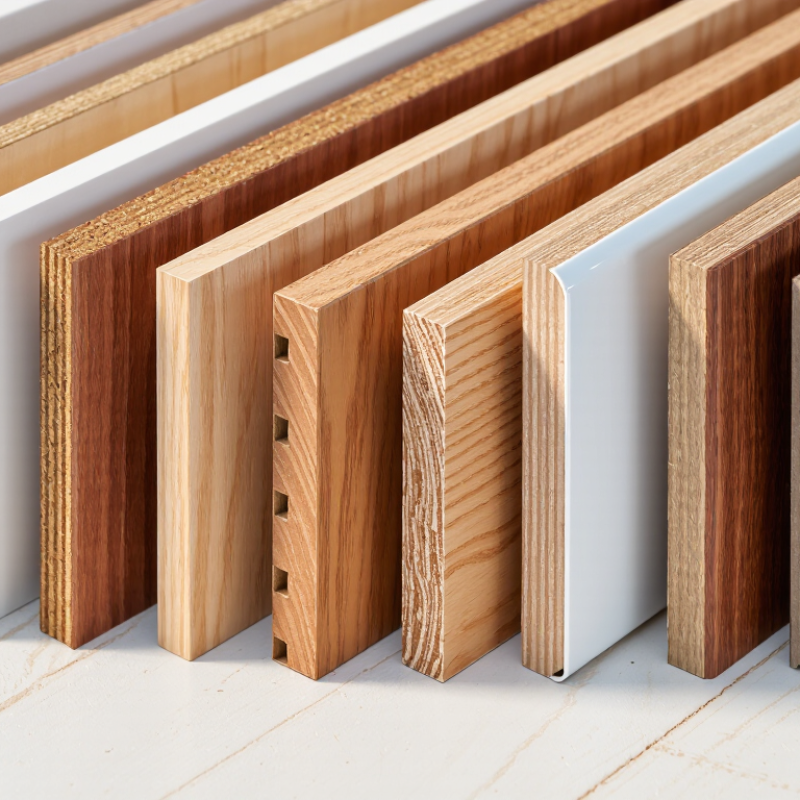
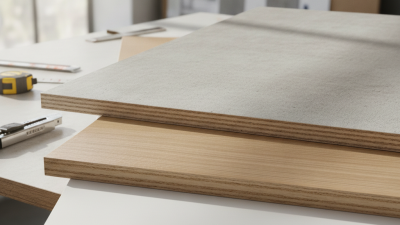
Melamine panels are layered materials, not solid boards with paint. A decorative paper sheet, impregnated with melamine resin, is pressed onto a wood-based core using heat and pressure. The surface provides color, texture, and everyday wear resistance; the core largely determines weight, screw-holding, and stiffness.
Common cores include particleboard, medium-density fibreboard, and plywood. Particleboard is economical and widely used for cabinets, but exposed edges can swell after water contact. MDF offers a smoother face for detailed profiles. Plywood can provide stronger screw-holding, though its edges may show more variation. FAO’s 2022 forest-products statistics put global wood-based panel production at roughly 400 million cubic metres. That figure covers many panel types, not melamine-faced boards specifically—a useful distinction when assessing market claims.
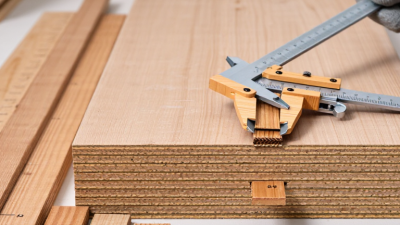
Tips: Match the core to the job. Check panel thickness, flatness, edge sealing, and the supplier’s emissions documentation. A glossy face may look tough, but it does not make the whole board waterproof. Ask for a sample and inspect a cut edge. Small details matter. Even then, surface feel alone cannot confirm durability; test the specification against the room’s humidity and expected use.
A practical comparison of common melamine-faced panel configurations. Availability, grades, dimensions, and performance vary by manufacturer and market.
| Panel Type | Core Structure and Material | Melamine Surface | Typical Applications | Key Buying Considerations |
|---|---|---|---|---|
| Melamine-Faced Particleboard (MFC) | Wood particles bonded with resin and pressed into a panel; typically denser near the faces than in the core. | Decorative paper impregnated with melamine resin and pressed onto one or both faces. | Cabinet carcasses, wardrobes, shelving, desks, and furniture components. | Check thickness, density, edge quality, face finish, and formaldehyde-emission documentation. Protect cut edges from moisture. |
| Melamine-Faced MDF | Fine wood fibres bonded with resin to form a smooth, relatively uniform-density board. | Melamine-impregnated decorative paper applied to one or both faces. | Furniture doors, drawer fronts, shelving, wall panels, and interior joinery. | Useful where a smooth, consistent face is important. Confirm board grade, thickness, edge treatment, and intended indoor conditions. |
| Moisture-Resistant Melamine Particleboard | Particleboard made with a moisture-resistant formulation; performance depends on the core specification and production standard. | Melamine decorative surface, often with sealed or finished edges in fitted applications. | Kitchen and bathroom furniture in areas exposed to occasional humidity or splashes. | Moisture-resistant does not mean waterproof. Verify the applicable test standard and protect exposed edges and joints. |
| Moisture-Resistant Melamine MDF | Fibreboard manufactured with a moisture-resistant formulation, commonly identified by a grade or colour code that varies by market. | Melamine-impregnated paper on one or both faces. | Interior furniture and joinery where humidity exposure is higher than in dry rooms. | Confirm the exact grade and test method; do not assume it is suitable for permanent water contact or exterior use. |
| Melamine-Faced Plywood | Thin wood veneers bonded in layers, usually with adjacent plies oriented across one another. | Melamine decorative paper pressed onto one or both faces; edges may reveal the veneer layers. | Cabinetry, furniture, shelving, and applications where a plywood core is specified. | Check veneer quality, bonding grade, core voids, face balance, and intended exposure class. Edge finishing may be required. |
| Melamine-Faced HDF | High-density fibreboard made from refined wood fibres and resin under heat and pressure. | Thin melamine decorative layer, often used on relatively thin panels. | Furniture components, back panels, drawer parts, and selected interior panel applications. | Compare thickness, flatness, density, and machining requirements. A thin HDF panel is not a substitute for a thicker structural board. |
| Melamine-Faced OSB | Oriented strand board made from bonded wood strands arranged in layers with different orientations. | Melamine-faced versions use a decorative pressed surface; product availability and surface smoothness vary. | Selected furniture, display, and interior applications where the OSB appearance or core is desired. | Check face smoothness, strand telegraphing, bonding, and suitability for the intended use; OSB grades are not interchangeable. |
| Lightweight Melamine Particleboard | Lower-density particleboard core, often made using lighter wood particles or a specially designed core structure. | Melamine decorative paper pressed onto one or both faces. | Large furniture panels, doors, shelving, and components where reduced panel weight is beneficial. | Lower weight can affect screw holding and stiffness. Check load requirements, fixing methods, span, and edge durability. |
| Fire-Retardant-Core Melamine Panel | Particleboard or MDF core incorporating fire-retardant components; the exact composition and performance depend on the product. | Melamine decorative surface; the surface alone does not establish a fire rating for the finished panel. | Interior fit-outs where project specifications call for a tested fire-performance panel. | Request test reports and classification for the complete panel assembly. Confirm the relevant local building code and installation conditions. |
| Melamine-Faced Blockboard | Core made from strips or blocks of wood arranged edge-to-edge, typically enclosed by face veneers or crossbands. | Melamine decorative paper pressed onto the finished faces. | Furniture, doors, and longer components where a block core is specified. | Check core construction, strip uniformity, bonding, thickness tolerance, and edge finishing; availability varies by region. |
Note: Melamine-faced panels are generally intended for interior use. Actual strength, moisture resistance, emissions, and fire performance depend on the core grade, surface construction, testing standard, and finished-panel details.