How to Choose the Best Hardwood Plywood for Your Projects?
When embarking on a woodworking project, choosing the right materials is crucial. Hardwood Plywood can significantly influence the final product's quality. This versatile material offers various benefits, including strength, durability, and aesthetic appeal. However, selecting the best Hardwood Plywood isn't always straightforward. Factors such as wood species, veneer quality, and core construction play essential roles.
Understanding these elements can help you make informed decisions. Different projects demand different types of plywood, and not all options are created equal. You'll need to assess your project's specific requirements, whether it’s for furniture, cabinetry, or decorative applications. For example, some Hardwood Plywood can warp if not correctly stored or maintained. Reflecting on these aspects will guide you in making the best choice.
Choosing Hardwood Plywood requires a balance of knowledge and intuition. It's vital to trust reliable sources and experts in the field. Consider visiting local suppliers or woodworking shops to gain insights. Ultimately, the right choice will not only enhance your project's integrity but also elevate your craftsmanship.
Understanding the Different Types of Hardwood Plywood Available
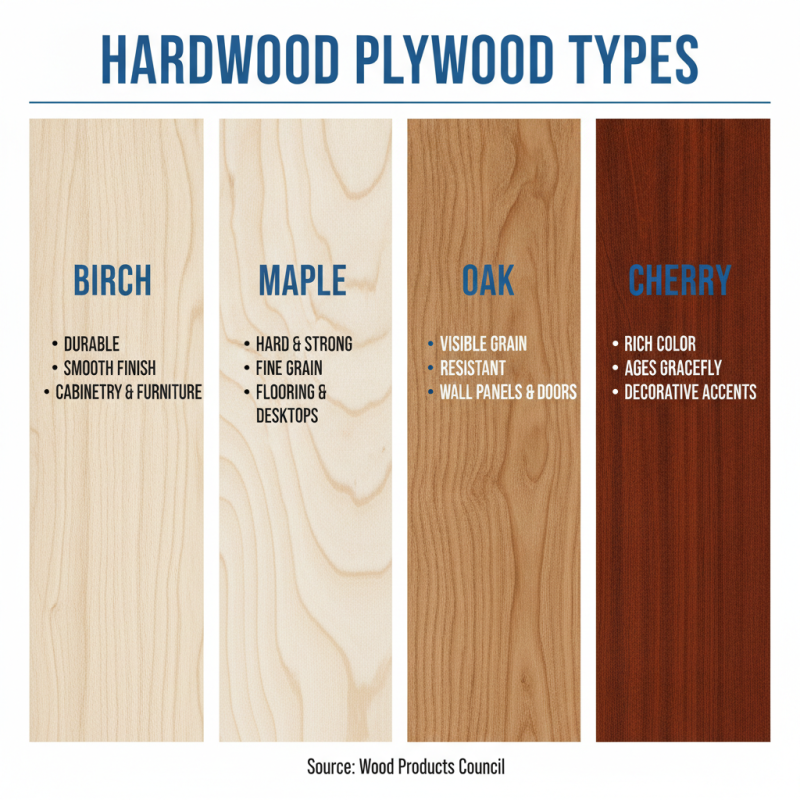
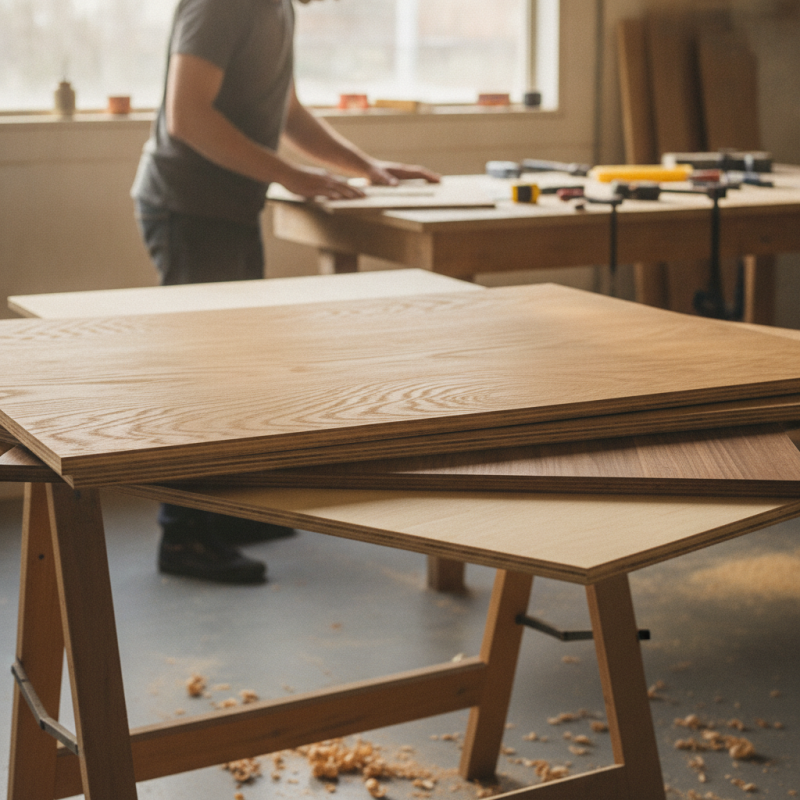
When selecting hardwood plywood, understanding the types available is crucial. There are several popular options, each tailored for specific uses. The most common types include birch, maple, oak, and cherry plywood. According to the Wood Products Council, birch plywood is favored for its durability and smooth surface. It’s often used in cabinetry and furniture.
Maple plywood offers a light, fine grain. It’s often chosen for applications where a clean, modern aesthetic is desired. Oak plywood, known for its strength, can withstand heavy loads. It's frequently used in flooring and commercial projects. Cherry plywood, with its rich color, is prized for high-end furniture. Each species affects flexibility, finishing qualities, and cost.
A notable concern is the sustainability of hardwood materials. The Forest Stewardship Council (FSC) highlights the importance of sourcing certified plywood. Using the right type of hardwood plywood can significantly impact the outcome of a project. Builders may overlook this, leading to issues like warping or structural weaknesses. Consider the intended use carefully, as the choice of plywood type can affect both the appearance and durability of your finished product.
Evaluating Quality: Key Features to Consider in Hardwood Plywood
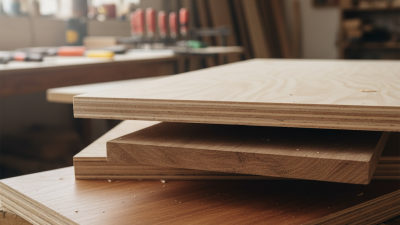
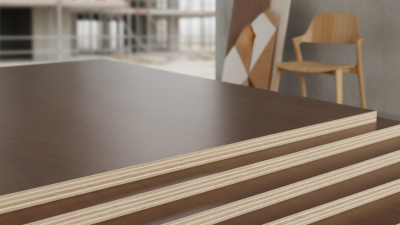
When evaluating hardwood plywood, several key features need careful consideration. Examine the veneer layers. High-quality plywood typically has multiple layers, creating strength and stability. The number of plies often indicates durability. Thinner veneers can lead to issues like warping or splitting over time.
Inspect the core material as well. A solid core enhances structural integrity, while a composite core can be more affordable but may lack strength. The finish plays a crucial role too. A smooth, even surface is essential for aesthetics, especially in visible projects. Look for any irregularities that may affect the final appearance.
Another aspect to consider is the grade of the plywood. The grading system reflects the wood's quality and appearance. Higher grades show fewer defects, but defects can add character to certain projects. Pay attention to these nuances as they contribute to the overall value and functionality of your final piece. Remember, no product is flawless, and each choice involves trade-offs.
Evaluating Quality: Key Features of Hardwood Plywood
Assessing Cost vs. Benefits: Budgeting for Your Plywood Projects
When budgeting for plywood projects, understanding the cost versus benefits is critical. High-quality hardwood plywood may seem expensive initially. However, it offers durability and aesthetic appeal that budget options can't match. A project isn't just about immediate costs. Consider longevity and appearance in your calculations. Spending a bit more on a superior product can save you money in repairs and replacements down the line.
Each project has unique needs. Factors like thickness, veneer quality, and finish affect pricing significantly. Sometimes, it might be better to invest in a smaller amount of premium plywood rather than buying a large quantity of lower-grade material. Having experienced this firsthand, I often regret choosing cheaper options when the finish is subpar. The effort and material cost to replace or redo can quickly eclipse the initial savings.
Reflecting on my past projects, quality often leads to greater satisfaction. The right plywood enhances craftsmanship and gives a professional look. Moreover, cost planning should include potential waste. Errors in cutting or handling can lead to increased expenses. It’s crucial to buy a little extra to account for mistakes, especially if you’re working with premium materials. Balancing your budget with quality is an art in itself.
How to Choose the Best Hardwood Plywood for Your Projects? - Assessing Cost vs. Benefits: Budgeting for Your Plywood Projects
| Plywood Type |
Cost per Sheet ($) |
Thickness (inches) |
Durability Rating |
Best Use Cases |
| Birch Plywood |
50 |
0.75 |
High |
Cabinetry, Furniture |
| Oak Plywood |
60 |
0.5 |
Medium |
Tables, Shelves |
| Maple Plywood |
55 |
0.75 |
High |
Cabinets, Dressers |
| Cherry Plywood |
70 |
0.75 |
Medium-High |
Fine Furniture, High-End Projects |
| Pine Plywood |
30 |
0.5 |
Low |
Basic Construction, Crafts |
Matching Hardwood Plywood to Your Project Requirements
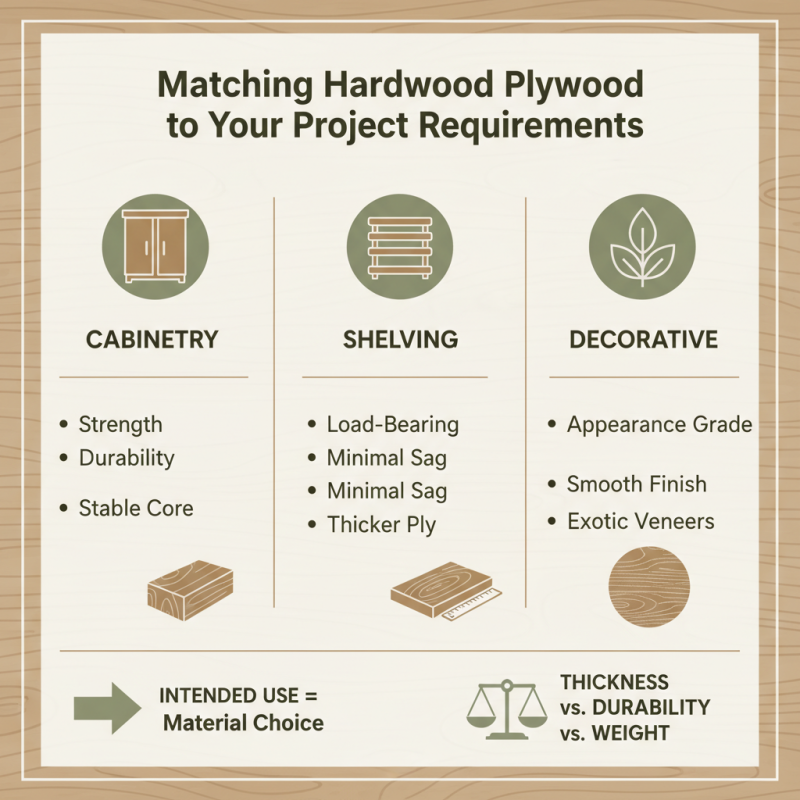
When matching hardwood plywood to your project requirements, consider the intended use. Will it be for cabinetry, shelving, or decorative purposes? Each application demands different qualities in plywood. For instance, thicker plywood provides strength but may not be necessary for lightweight projects. Conversely, if durability is crucial, opt for higher-grade materials.
Tips: Look closely at the plywood's core. A void-free core ensures strength and stability. If your project involves moisture, choose plywood with water-resistant properties. This will prevent warping and maintain aesthetics over time.
Grain patterns and finishes also play a pivotal role in your choice. A natural, appealing grain can elevate the overall design of your project. However, not all woods stain the same way. Test samples on scraps to see how the finish reacts. This step can save you from disappointing results. Reflect on what you truly want from the plywood before making your final selection.
Sourcing and Purchasing: Where to Buy Quality Hardwood Plywood
When considering where to source quality hardwood plywood, it’s essential to explore different marketplaces. Local lumberyards often offer a wide selection. These places typically provide materials with various grades and species. Visiting in person lets you inspect the wood closely. You can feel the texture and check for defects that may not be visible online.
Buying hardwood plywood online offers convenience. However, it’s crucial to choose reputable suppliers. Look for those who specialize in hardwood products. Reading customer reviews can provide insights into quality and service reliability. Always request samples before making large purchases. This way, you can examine their structure and finish first-hand.
Tips for sourcing wisely include checking for certifications. These indicate the plywood meets specific industry standards. Don’t overlook the importance of understanding return policies. Sometimes, the quality might not meet your expectations. Take time to compare prices, but remember that the cheapest option might not always be the best. Quality materials result in better projects, even if they come at a slightly higher price.