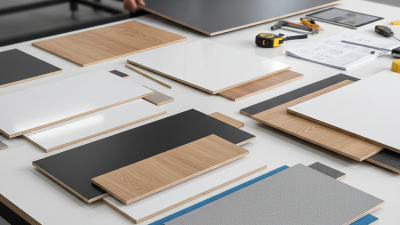
2026 Best Hardwood Plywood Options for Your Next Project?
When planning your next project, selecting the right materials is crucial. Hardwood plywood stands out due to its versatility and durability. Tim McCulloch, a renowned expert in the hardwood plywood industry, once said, “Choosing the right plywood can make all the difference in your project’s final look and longevity.” This highlights the importance of making informed decisions.
Hardwood plywood is ideal for various applications, whether for furniture, cabinetry, or decorative elements. Its fine grain and strength add to aesthetic appeal. However, all hardwood plywood is not created equal. Different grades and types suit different needs. Factors like thickness and core material can dramatically affect performance and appearance.
It’s essential to consider your project requirements carefully. Are you prioritizing cost, durability, or finish? Not all projects demand the highest grade plywood, and sometimes budget constraints dictate choice. Understanding these nuances can lead to better outcomes and satisfaction with your work. Reflect on what each project truly needs before making a purchase.
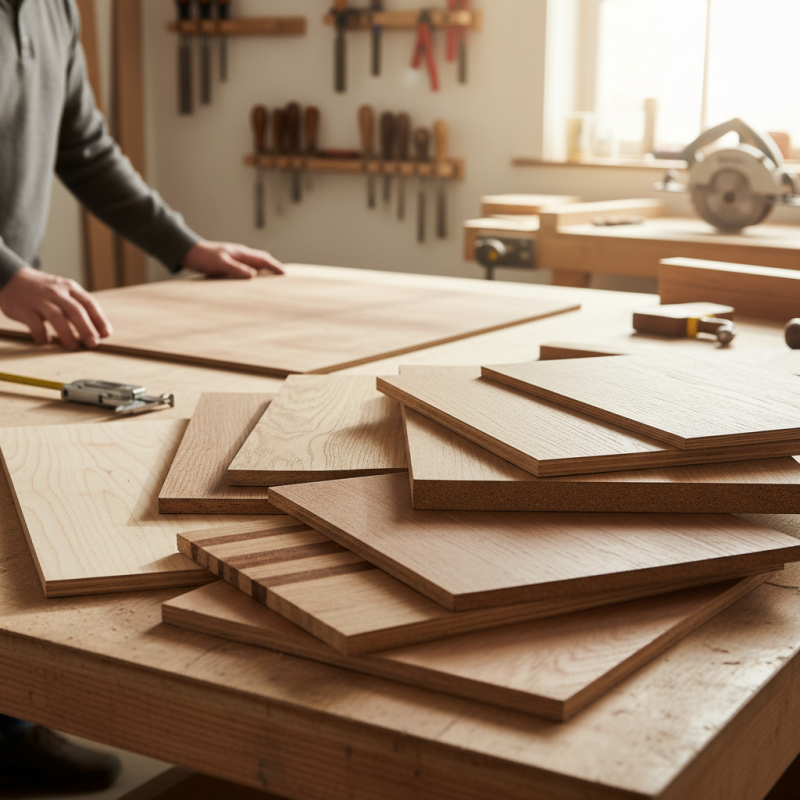
Top Characteristics to Consider in Hardwood Plywood for Projects
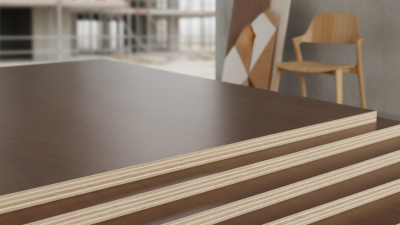
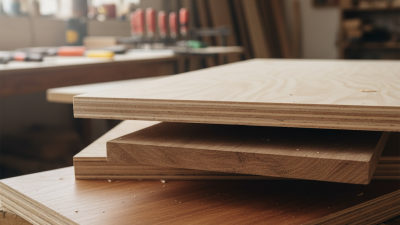
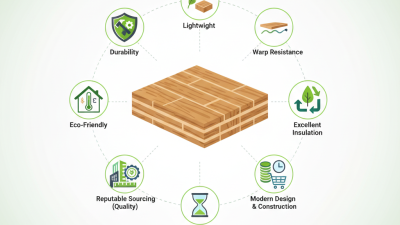
Hardwood plywood remains a top material choice for durable, visually appealing projects in 2026. When selecting plywood, consider its core composition carefully. A high-quality core prevents warping and provides stability over time. Many plywood boards use different layers of wood veneers glued together, but the glue quality can vary and affect longevity.
The wood species used on the face veneer is equally crucial. Different hardwoods offer unique grain patterns, colors, and strength levels. Oak, maple, and birch are popular for their balance of aesthetics and resilience. However, some hardwood plywoods may contain inconsistent grain finishes, which can interrupt a project's flawless look. This imperfection might require extra sanding or finishing.
Moisture resistance is another essential factor to consider. Plywood used in kitchens or bathrooms must withstand humidity without delaminating. Some hardwood plywood options have special treatments or sealants that improve water resistance. But over time, these treatments might wear off and require maintenance. Choosing plywood for your project always involves balancing pros and cons based on your specific needs.
2026 Best Hardwood Plywood Options for Your Next Project
Types of Hardwood Plywood: Understanding Different Species and Grades
When considering hardwood plywood for your next project, understanding the species and grades can be crucial. Different species offer varying aesthetics and durability. For instance, oak is known for its distinctive grain and strength, while birch provides a smooth finish. Each species has its unique qualities that can influence the beauty and functionality of your project.
Grades of plywood range from AA to C, where AA is the highest quality. Choosing the right grade affects the plywood's surface appearance, strength, and overall value. Higher-grade plywood often has fewer defects, making it a better choice for visible applications. Meanwhile, lower grades may be suitable for hidden structures but can have knots or veneer imperfections.
Reflecting on your project's specific needs is essential. Not all plywood types will work for every application. You may find yourself torn between appearance and cost. This decision-making process is common among craftsmen. It’s worth taking the time to research and evaluate the options. Each choice impacts the outcome, and the right plywood can enhance your work significantly.
2026 Best Hardwood Plywood Options for Your Next Project
| Plywood Type |
Wood Species |
Grade |
Thickness (inches) |
Size (ft) |
Price ($) |
| Hardwood Plywood |
Birch |
A |
3/4 |
4x8 |
50 |
| Cabinet Grade Plywood |
Maple |
B |
1/2 |
4x8 |
45 |
| Furniture Grade Plywood |
Oak |
AA |
3/4 |
5x5 |
70 |
| Marine Plywood |
Teak |
A |
1/4 |
4x8 |
120 |
| Structural Plywood |
Fir |
CD |
3/8 |
4x8 |
40 |
Comparing Durability and Stability of Popular Hardwood Plywood Options
When choosing hardwood plywood for your next project,
durability and stability are crucial factors.
Different types of hardwood plywood offer varying levels of performance. For instance, some plywoods resist
warping better than others. This is important if you're crafting furniture or cabinetry that needs to stand
the test of time.
Another issue to consider is moisture resistance.
Plywood made from specific hardwoods can absorb moisture, impacting its longevity.
In a humid environment, this can lead to delamination. On the contrary, some options are formulated to
withstand high moisture levels. This balance of stability and
resistance directly impacts the outcome of your project.
Aesthetics shouldn’t be overlooked, either. While some hardwood options look stunning, they may not always
be the most durable. This contrast between beauty and functionality
can be frustrating.
Choosing the right plywood often means weighing visual appeal against practical needs.
Remember, long-term satisfaction with your project
often hinges on these choices.
Recommended Brands and Manufacturers for Quality Hardwood Plywood
When selecting hardwood plywood for construction or woodworking, choosing a trusted brand is vital. According to a recent industry report, the plywood market is expected to grow by over 6% by 2026. This growth reflects a shift towards quality products. Factors driving this trend include increasing consumer demand for sustainable materials and durable options.
Many manufacturers focus on eco-friendly practices. They create plywood using advanced techniques to minimize waste. A report stated that about 70% of buyers prioritize sustainability in their purchasing decisions. However, not all brands deliver on these promises. It’s essential to research and verify claims to ensure you're not misled.
Quality hardwood plywood can vary significantly. Factors include grain patterns, thickness, and finish. Reports highlight that inconsistent quality remains a challenge in the industry. Some manufacturers produce subpar products under the guise of premium labels. Thus, checking certifications and customer reviews is crucial. Reliable reviews can provide insight into a brand’s performance and consistency. Be diligent in your selection process for the best results in your project.
Cost-Effective Hardwood Plywood Choices for Budget-Friendly Projects
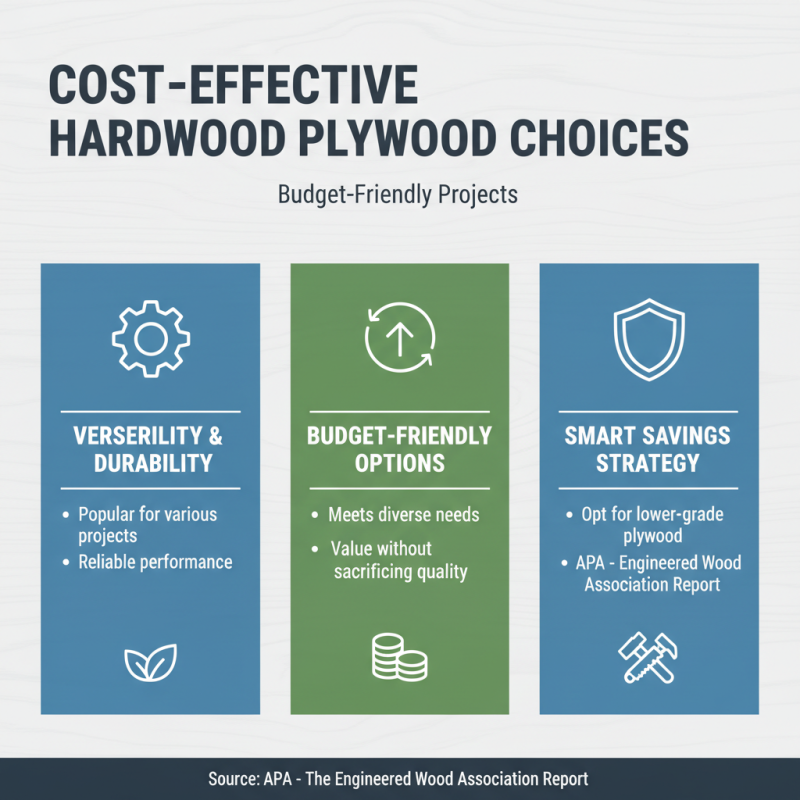
Hardwood plywood is a popular choice for various projects, thanks to its versatility and durability. Budget-friendly options are especially valued. According to a recent report from the APA - The Engineered Wood Association, hardwood plywood can meet different budget needs while providing reliable performance. Consumers often find that opting for lower-grade plywood can save costs without sacrificing quality.
Sealed plywood, for instance, offers a water-resistant option at a fraction of the price of higher-grade types. From home improvement tasks to intricate cabinetry, these products can deliver satisfying results. A survey from Woodworking Network revealed that 70% of professionals prefer hardwood plywood for its balance of affordability and quality. However, it's essential to recognize that not every project requires top-tier materials. Sometimes, choosing a slightly lower quality can lead to a more cost-effective solution.
Careful selection can help in maximizing budgets. It's worth noting that the price difference between grades can be significant. While high-end plywood boasts excellent finishes, budget options can still achieve impressive aesthetics with proper treatment. Many DIY enthusiasts mistakenly overlook this, focusing solely on higher grades. Balancing cost with functionality is key to successful project planning.