Leave Your Message

2026 Best Hardwood Plywood for Global Buyers?

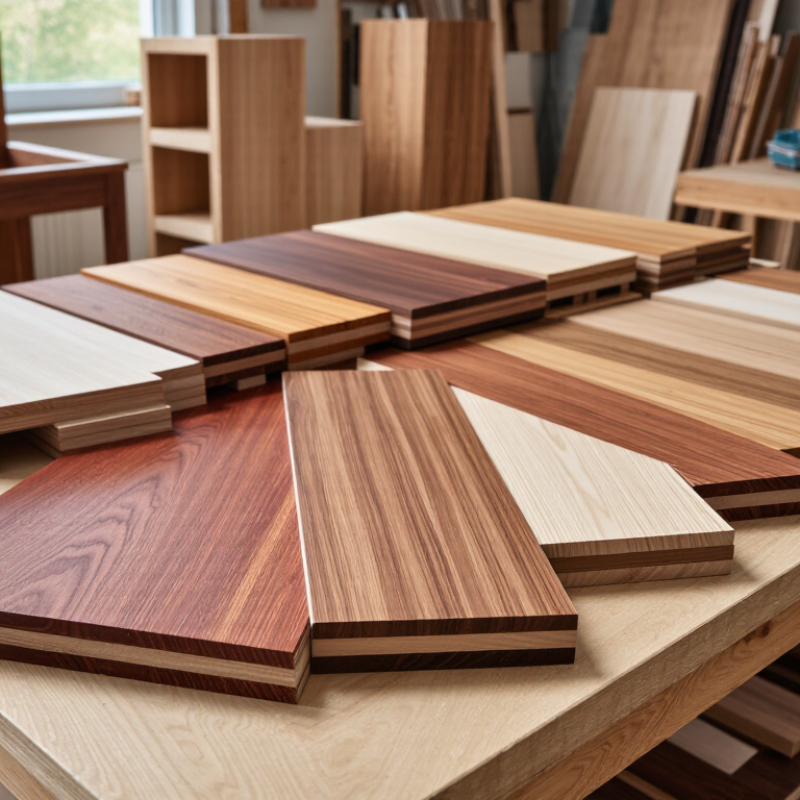
Choosing the best Hardwood Plywood in 2026 requires more than comparing prices or attractive surface grain. Global buyers must examine strength, core construction, moisture resistance, formaldehyde emissions, certification, and supply reliability. A clean face veneer can hide weak inner plies. That mistake becomes expensive.

Dr. Robert H. Falk, a respected wood-products researcher and former USDA Forest Products Laboratory scientist, has stated, “Wood products must be judged by performance, not appearance alone.” This principle remains highly relevant for international purchasing. Hardwood Plywood may look uniform under warehouse lighting, yet small core gaps can appear after cutting, machining, or exposure to changing humidity. Buyers should request technical data, production samples, and recent test reports before approving large orders.

Performance comes first.

This guide compares leading Hardwood Plywood options for furniture, cabinetry, interiors, transportation, and demanding commercial projects. It considers birch, oak, maple, beech, and tropical hardwood panels. It also reviews thickness tolerance, veneer quality, bonding grades, edge stability, and surface finishing. Different projects need different panels. A premium birch panel may suit precision cabinetry, while a durable tropical species may perform better in humid environments.

Some assumptions deserve reconsideration. “Marine grade” does not automatically mean waterproof forever. “Low price” may conceal inconsistent thickness or limited documentation. Even certified material requires careful supplier verification. Buyers should evaluate factory experience, packaging, lead times, replacement policies, and communication quality.

The strongest choice is not always the most expensive. It is the panel that matches the application, climate, compliance needs, and long-term performance expectations.

2026 Best Hardwood Plywood for Global Buyers?

Hardwood Plywood Basics for Global Buyers in 2026

Hardwood Plywood Basics for Global Buyers in 2026

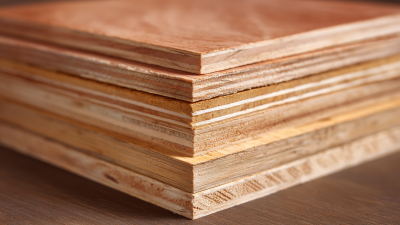
Hardwood plywood combines thin wood veneers with alternating grain directions. This structure improves strength and limits seasonal movement. Buyers should check the core, face veneer, thickness, and adhesive type before comparing prices. A smooth surface can hide internal gaps. Request edge photographs and a cut-panel inspection when possible.

In sourcing reviews, I have found that moisture content often causes unexpected problems. Panels stored in a humid port may warp after installation. Ask for recent moisture readings, packing details, and fumigation records where required. The target range depends on the application and climate. Furniture panels need different performance from flooring or vehicle interiors. Clear specifications matter.

Do not judge quality by appearance alone. Inspect veneer matching, sanding marks, patching, and core alignment. Ask for test reports from an independent laboratory, not only factory claims.

Relevant documentation may include formaldehyde emissions, bond durability, bending strength, and tolerance data. Requirements can change by destination, so verify current import and construction rules before shipment.

One weakness remains: written grades do not always predict real-world handling. A sample that survives a showroom may fail after rough unloading, repeated humidity changes, or careless storage. That risk deserves practical testing.

Key Grades, Species, Core Types, and Surface Options

For global buyers in 2026, hardwood plywood selection starts with grade, not appearance. Face grades such as A, B, and C describe visible defects, repairs, and sanding quality. However, grading can vary by standard and supplier. Check the applicable panel specification, such as U.S. Product Standard PS 1-19, before comparing quotations. The USDA Forest Products Laboratory’s Wood Handbook notes that wood density and moisture movement differ significantly among species. Birch offers a fine, uniform surface, while oak provides stronger grain character. Maple is useful where a pale, clean appearance matters.

Core construction affects stability more than many buyers expect. Veneer core usually offers good screw holding and balanced strength. Lumber core can support thicker panels but may reveal telegraphing under thin faces. Composite cores improve uniformity and machining, yet their performance depends on moisture resistance and bonding quality. APA performance-rated panel guidance recommends checking bond durability, thickness tolerance, and span performance rather than relying on species names alone. Ask for test reports.

Surface options include natural veneer, rotary-cut faces, sliced veneer, and factory-sanded panels. Sliced veneer gives calmer grain; rotary cutting creates broader, less predictable patterns. Decorative surfaces may need UV resistance for bright interiors. The FAO Global Forest Products Facts and Figures reports that wood-based panels remain a major international forest-products category, so supply consistency deserves serious attention. Still, I would not treat a glossy surface as proof of quality. A beautiful sheet can warp after shipping. Verify moisture content, core gaps, emissions documentation, and packaging conditions before purchase. Small omissions become expensive.

2026 Best Hardwood Plywood for Global Buyers? - Key Grades, Species, Core Types, and Surface Options

Practical comparison of commonly traded hardwood plywood specifications for furniture, cabinetry, interior fit-out, and selected structural applications.
Category Option Typical Grades or Specification Key Characteristics Common Applications Buyer Inspection Points Relative Cost
Face Grade AA / A Premium face; very small or repaired defects depending on the applicable standard. Clean, uniform appearance with limited color variation and carefully matched veneer leaves. High-end cabinetry, visible furniture panels, doors, wall panels, and architectural interiors. Confirm the grading standard, open defects, patch visibility, veneer matching, and color consistency. High
AB / B Good face with limited sound knots, small patches, or minor natural characteristics. Balanced appearance and value; suitable when a clear decorative face is required without premium sorting. Furniture, kitchen components, shelving, interior doors, and painted or clear-finished panels. Define acceptable patch diameter, number of repairs, core gaps, sanding quality, and face-side selection. Medium–High
BB / B Utility decorative face with more visible knots, patches, mineral streaks, or color variation. Good performance for cost-sensitive projects where natural appearance or paint coverage is acceptable. General furniture, shopfitting, shelving, cabinet interiors, and painted components. Check face patch quality, veneer splits, core telegraphing, thickness tolerance, and panel flatness. Medium
CP / C Lower decorative or utility face with more repairs and natural defects. Functional panel for concealed areas, backing parts, packaging, or surfaces intended for opaque paint. Cabinet backs, drawer parts, temporary interiors, crates, and non-visible construction components. Specify whether open knots, splits, putty repairs, and color variation are permitted. Low–Medium
Commercial / Utility Local or project-specific grading; terminology is not interchangeable across all countries. Useful for budget comparisons, but a written defect schedule and reference sample are essential. Industrial parts, packaging, temporary fit-out, and concealed substrates. Request the governing standard, face/back grade, repair rules, and acceptance tolerances. Low
Wood Species Birch Light-colored, fine-grained hardwood veneer; commonly supplied in multi-ply panels. Smooth machining, consistent appearance, good screw-holding performance, and high panel density. Furniture, cabinetry, drawers, shelving, laser-cut parts, and interior panels. Check veneer thickness, edge voids, glue-line quality, formaldehyde class, and color uniformity. Medium–High
Maple Pale cream to light brown face with a fine, generally uniform grain. Clean visual character and good hardness; clear finishes can emphasize color variation. Premium cabinets, furniture, doors, wall panels, and retail interiors. Review sapwood/heartwood variation, face matching, veneer thickness, and finish compatibility. High
Oak Prominent grain with characteristic rays and open-pore visual texture. Distinctive appearance, good wear resistance, and strong compatibility with stains and clear coatings. Furniture, cabinetry, flooring components, doors, and decorative wall panels. Specify red or white oak, rotary-cut or sliced veneer, grain direction, and color range. Medium–High
Beech Light tan to pinkish-brown face with a relatively fine, even texture. Hard, dense, and suitable for precision-machined components and durable furniture parts. Furniture, worktops, seating components, toys, and interior joinery. Check steam-bending requirements, color consistency, machining quality, and moisture conditioning. Medium–High
Poplar Lightweight, pale-colored hardwood commonly used as face, back, or core veneer. Easy to machine and paint; generally softer and less wear-resistant than birch, maple, or oak. Paint-grade furniture, cabinet components, doors, and lightweight interior panels. Check dent resistance, face color, core construction, sanding quality, and paint preparation. Low–Medium
Eucalyptus Hardwood veneer with color ranging from pale pink to reddish brown, depending on species and origin. Often offers good strength-to-cost value; grain and density can vary between sources. Furniture, cabinetry, flooring substrates, doors, and general interior panels. Request species identification, density range, veneer matching, moisture content, and emissions documentation. Low–Medium
Okoume Very light pink to salmon-colored African hardwood veneer with a fine to medium texture. Low density and easy handling; typically selected where weight reduction and attractive appearance matter. Lightweight furniture, interior fit-out, boatbuilding panels, and decorative applications. Confirm durability requirement, bonding class, veneer origin, and suitability for exterior or marine exposure. Medium
Walnut Medium to dark brown decorative face with varied grain and natural figure. Premium appearance with strong visual variation; usually specified for visible surfaces rather than concealed parts. Luxury furniture, executive interiors, doors, feature walls, and high-end cabinetry. Define flitch, matching method, sapwood allowance, color range, and clear-coat sample approval. High–Very High
Core Type Veneer Core Multiple cross-banded wood veneer layers; face species may differ from the inner plies. Good strength-to-weight ratio, natural edge appearance, and generally good screw-holding performance. Furniture, cabinetry, doors, shelving, and applications requiring a wood edge. Count plies, inspect core gaps and overlaps, verify thickness tolerance, and check panel flatness. Medium–High
MDF Core Hardwood veneer bonded to medium-density fibreboard. Very smooth surface and stable machining base; heavier than veneer-core plywood and less suitable for wet exposure. Premium doors, painted furniture, routed panels, and high-quality interior components. Check screw-holding needs, edge swelling risk, density, formaldehyde emissions, and moisture rating. Medium–High
Particleboard Core Hardwood veneer bonded to a particleboard substrate. Cost-efficient and flat, but typically heavier and more vulnerable to edge damage or moisture swelling. Budget furniture, shelving, office components, and dry interior applications. Verify screw-holding capacity, edge integrity, moisture resistance, and panel weight. Low–Medium
Combination Core Engineered core combining wood veneer layers with an MDF, particleboard, or other central substrate. Designed to balance surface smoothness, dimensional stability, weight, cost, and edge performance. Cabinet doors, furniture panels, shelving, and decorative interior components. Request a cross-section drawing because “combination core” definitions vary by supplier and market. Medium
LVL Core Laminated veneer lumber elements arranged for improved directional strength and stability. High strength and consistent engineering performance; normally specified only when the product is rated for the intended structural use. Structural panels, beams, transport components, and demanding load-bearing assemblies. Obtain structural design values, applicable certification, load direction, and connection requirements. High
Surface Option Raw / Unfinished Sanded hardwood face without factory-applied decorative coating. Flexible for staining, painting, laminating, veneering, or on-site finishing. Custom furniture, cabinet production, wall panels, and components requiring project-specific finishing. Check sanding marks, face repairs, moisture content, panel cleanliness, and finish-readiness. Low–Medium
UV Prefinished Factory-applied ultraviolet-cured coating, commonly supplied in matte, satin, or gloss finishes. Consistent appearance, faster installation, and improved resistance to common surface abrasion and stains. Furniture, cabinetry, wall cladding, doors, and retail interiors. Confirm coating hardness, sheen level, repair method, edge treatment, and resistance test results. Medium–High
Melamine-Faced Decorative or solid-color melamine-impregnated paper permanently pressed onto the panel. Uniform color, easy cleaning, and good day-to-day surface durability for dry interior use. Office furniture, cabinets, shelving, wardrobes, and commercial interiors. Check decor code, texture, edge-banding compatibility, impact resistance, and formaldehyde emissions. Medium
HPL-Faced High-pressure laminate bonded to a hardwood plywood substrate. High resistance to abrasion, impact, stains, and frequent cleaning; edges require suitable finishing. Commercial furniture, countertops, doors, laboratories, healthcare interiors, and retail fixtures. Confirm laminate thickness, adhesive system, surface texture, edge detail, and use-temperature limits. High
Decorative Veneer-Faced Natural hardwood veneer selected as plain-sliced, quarter-sliced, rotary-cut, or book-matched face material. Provides authentic wood appearance with grain direction and figure controlled through the slicing and matching method. Architectural panels, luxury furniture, doors, wall cladding, and feature surfaces. Approve a control sample and define matching, sapwood, mineral streaks, repairs, and allowable color variation. Medium–Very High
Specification note: Hardwood plywood face-grade terminology differs among national and product standards. For international purchasing, specify the applicable standard, nominal thickness, sheet size, face/back grade, species, core construction, glue-bond or exposure class, formaldehyde-emission class, moisture content, tolerances, and approved reference sample.

How to Evaluate Strength, Durability, and Moisture Resistance

2026 Best Hardwood Plywood for Global Buyers?

How to Evaluate Strength, Durability, and Moisture Resistance

Hardwood plywood should match the building environment, not just the project budget. Check the face veneer, core layers, glue line, and panel thickness. A dense, evenly stacked core usually supports better screw holding and bending resistance. Inspect the edges closely. Voids, overlaps, and uneven layers can signal manufacturing weaknesses.

Strength also depends on grain direction and panel support. A 18-millimeter sheet may perform well across short spans, yet sag under a long, unsupported load. Moisture resistance needs practical testing. Look for panels rated for interior, humid, or exterior exposure. Do not assume every dark glue line means waterproof construction. Ask for technical data, emission information, and test results from recognized laboratories. Standards vary by market.

Tips: Store sheets flat, raised above the floor, with equal support underneath. Seal freshly cut edges before humid installation. Test a sample first. A simple wet-dry cycle may reveal swelling, delamination, or surface checking. Record thickness changes with calipers. Small changes matter.

Durability is more than surface hardness. Examine repair quality, veneer balance, and finishing compatibility. In coastal or tropical projects, poor storage can damage even excellent plywood. I have seen carefully specified panels fail after rain exposure because the site team left them uncovered. Product choice matters, but handling matters too. Some assumptions still need checking.

2026 Best Hardwood Plywood for Global Buyers?

How to evaluate strength, durability, and moisture resistance before selecting a panel.

Density is a useful first screening indicator because higher-density hardwoods commonly provide greater stiffness and surface hardness, although the final plywood performance depends on veneer quality, thickness, lay-up, adhesive, and manufacturing accuracy. For moisture resistance, verify the panel’s declared EN 636 service class: Class 1 is intended for dry conditions, Class 2 for humid conditions, and Class 3 for exterior conditions. Strength should be confirmed through the manufacturer’s tested bending strength and modulus of elasticity values for the specific panel construction.

Global Standards, Certifications, and Import Compliance

For global buyers, the best hardwood plywood in 2026 is not simply the smoothest or strongest panel. It must also meet the destination market’s documented requirements. Buyers should confirm species, thickness tolerance, glue type, core construction, and formaldehyde emissions before placing an order. Small details matter. A two-millimeter tolerance can affect cabinet fitting and installation costs.

Import compliance begins with accurate product classification and paperwork. The commercial invoice should match the packing list, bill of lading, declared origin, and shipment quantity. Customs authorities may also require test reports, certificates of origin, or conformity documents. Requirements vary by country, so a local customs broker should review the shipment before loading. Guessing here is expensive.

Certifications can strengthen supplier credibility, but they do not replace legal compliance. Depending on the market, buyers may request FSC or PEFC chain-of-custody evidence, while the United States may require compliance with TSCA Title VI emission limits. European buyers often examine declared performance and formaldehyde class documentation. Test reports from an ISO/IEC 17025-accredited laboratory are more dependable than an unsigned supplier spreadsheet. Still, paperwork can contain outdated product codes or mismatched batch numbers. A careful buyer should compare every document with physical labels, pallet markings, and pre-shipment inspection photos. Mistakes happen, even in professional supply chains.

Pricing, Supplier Selection, Inspection, and Shipping Considerations

2026 Best Hardwood Plywood for Global Buyers?

Pricing depends on more than panel thickness.

Species, core quality, face grade, adhesive class, and moisture content all change the final cost. The ITTO Tropical Timber Market Report shows plywood prices can vary widely by species and regional supply. Request a full cost sheet, not only a factory price. Include packaging, inland transport, export documents, insurance, and ocean freight. Freight quotes may expire quickly.

Supplier selection needs evidence.

Ask for recent production photos, test reports, batch records, and export references. ISO 12465 covers plywood requirements, while EN 13986 supports construction-related performance claims. Check whether reports match the exact thickness and glue system ordered. A generic certificate is weak evidence. Sometimes, buyers discover that “commercial grade” has no shared meaning.

Inspection should measure thickness at several points, inspect open defects, and test bonding after conditioning.

A 12-millimeter panel should not be accepted because one corner looks accurate. Confirm formaldehyde results and moisture readings before loading. UNCTAD’s Review of Maritime Transport 2024 recorded 2.4% growth in seaborne trade during 2023, increasing pressure on booking space and port schedules. Use dry containers, corner protection, and moisture barriers. Wood packaging must meet ISPM 15 requirements. One overlooked detail can damage an otherwise good shipment.