Top Hardwood Plywood Sourcing Tips for Global Buyers?
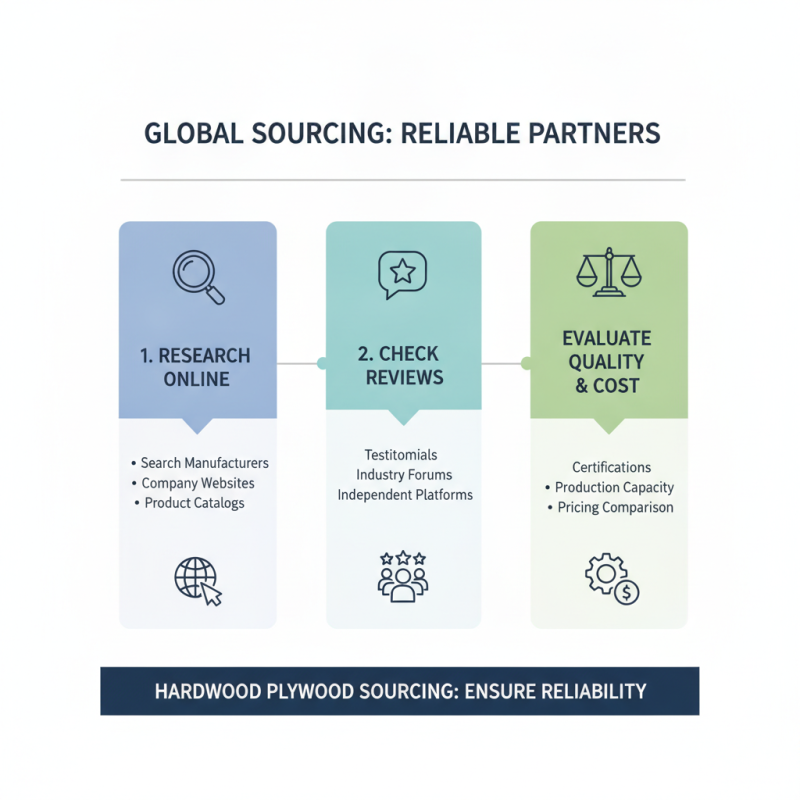
In today's competitive market, sourcing Hardwood Plywood effectively can make a significant difference. Global buyers must navigate various challenges, including quality assurance and supplier reliability. Understanding the intricacies of sourcing is vital for success.
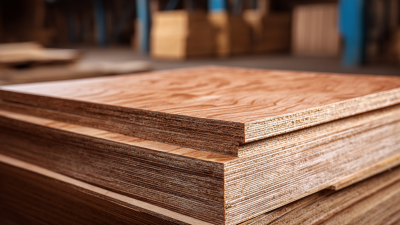
Hardwood Plywood products vary widely in terms of quality and characteristics. Each type has unique features that can impact your projects. Buyers often struggle with determining the right specifications. This can lead to costly mistakes if not addressed correctly.
Additionally, reliable suppliers are crucial for consistent quality. A lack of clarity in supplier communication may lead to misunderstandings. Establishing solid relationships can enhance trust and reduce risks. By focusing on essential tips, buyers can improve their sourcing strategies and make informed decisions.
Understanding Your Hardwood Plywood Needs and Specifications
When sourcing hardwood plywood, understanding your specific needs and specifications is crucial.
The global plywood market is forecasted to reach $70 billion by 2027, driven by increasing demand in construction and furniture sectors.
Assessing your project requirements helps in making informed decisions.
Focus on the type of hardwood that suits your applications. Different species have varying durability and aesthetics.
For instance, oak is known for its strength, while birch offers a smoother finish.
Make sure to evaluate the thickness and grade of the plywood.
Data from the American Plywood Association shows that grade affects both strength and appearance.
Higher grades are often more expensive but can save costs on finishing.
Tip: Create a detailed specification sheet that outlines dimensions, wood type, and any finishes required.
This helps suppliers understand your needs better.
Another tip is to inspect samples and request technical data sheets. These documents provide valuable insights into the material properties and compliance with standards.
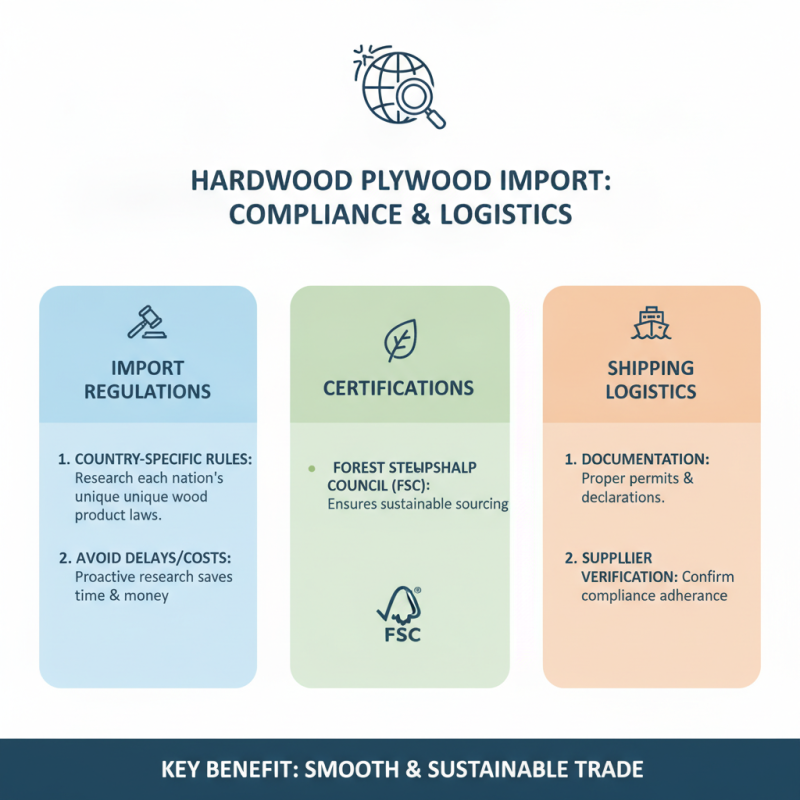
Always consider quality certifications, as they indicate the plywood meets industry regulations.
Evaluating Quality Standards and Certifications for Hardwood Plywood
When sourcing hardwood plywood, understanding quality standards is essential for global buyers. The International Organization for Standardization (ISO) sets benchmarks that are crucial for ensuring product durability and safety. For example, plywood grouped under ISO 3347 is recognized for its structural integrity. Buyers should seek suppliers who adhere to these standards.
Certifications also play a vital role in assessing the quality of hardwood plywood. The Forest Stewardship Council (FSC) certification is widely regarded. Data shows that about 25% of the hardwood plywood in the market holds FSC certification. This indicates it comes from responsibly managed forests.
However, not all certifications guarantee the highest quality. Some suppliers may possess certifications but lack consistency in production. Reports indicate that nearly 30% of plywood products fail basic strength tests. This indicates the need for buyers to conduct their own evaluations. Inspections can reveal discrepancies that certifications alone might not disclose. Prioritize transparent communication with suppliers and request samples for independent testing. Understanding these layers can significantly influence sourcing decisions.
Negotiating Pricing and Terms with Suppliers for Optimal Sourcing
Negotiating pricing and terms with suppliers is a crucial aspect of sourcing hardwood plywood. Clear communication is vital. Define your needs precisely before discussions begin. Articulate your volume requirements and expected delivery timelines upfront. This sets the stage for meaningful negotiations.
When discussing pricing, consider market fluctuations. Price points can vary based on demand and availability. Stay informed about current market trends. This knowledge empowers buyers to negotiate effectively. Be prepared to discuss payment terms that work for both parties. Flexibility can foster a stronger partnership.
Reflect on potential challenges during negotiations. Misunderstandings can lead to dissatisfaction for both sides. It’s essential to listen actively and address any concerns. Building a relationship based on trust is beneficial. A good relationship can sometimes yield better deals. Aim for a win-win outcome to ensure long-term collaboration.
Top Hardwood Plywood Pricing Analysis
This chart illustrates the pricing per sheet of hardwood plywood from various suppliers. It highlights the price differences which are critical for global buyers when negotiating terms and optimizing sourcing strategies.