What is Structural Wood Panel and Why is it Important?
Structural Wood Panel plays a vital role in the construction industry. This versatile material is increasingly favored for its strength and sustainability. According to the American Wood Council, wood panel products have seen a significant rise in usage, with a market size projected to reach over $15 billion by 2027. This confirms a trend favoring eco-friendly building materials.
The importance of Structural Wood Panel lies not only in its structural integrity but also in its environmental benefits. Panels made from engineered wood are often more efficient than traditional materials. They produce lower carbon footprints and use less energy in production. A study from the Forest Products Laboratory highlights that these panels can replace steel and concrete in many applications.
However, the reliance on Structural Wood Panel isn't without challenges. Variability in quality and performance can lead to issues if not managed properly. There are also concerns regarding moisture sensitivity and long-term durability. Addressing these challenges requires ongoing research and innovation in wood technology. This commitment ensures that Structural Wood Panel remains a cornerstone of modern construction.
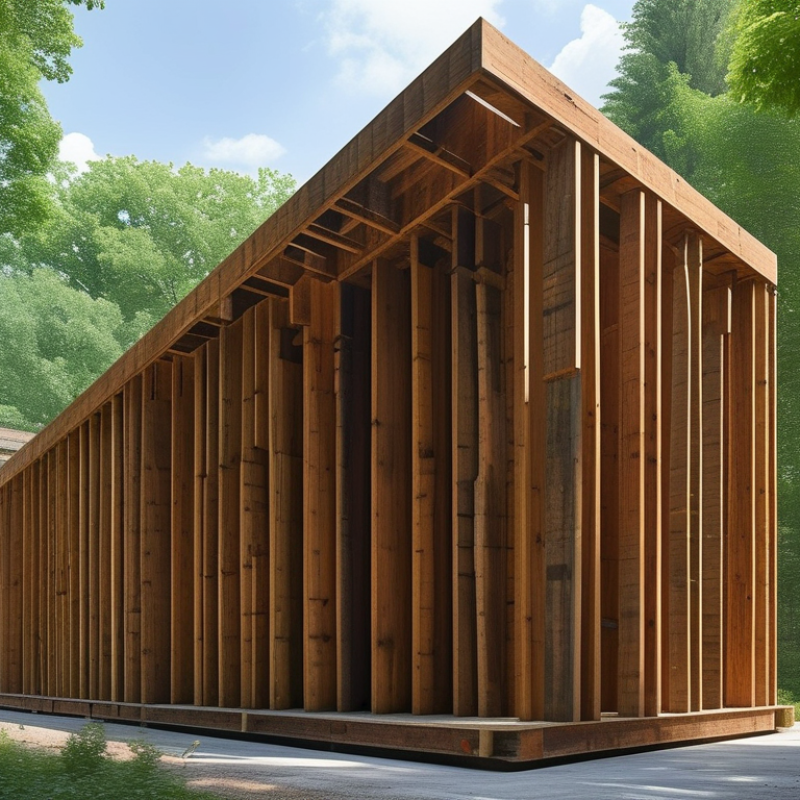
Definition of Structural Wood Panel and Its Types
Structural wood panels are engineered wood products designed for strength and stability. They come in various types, including plywood, oriented strand board (OSB), and medium-density fiberboard (MDF). Each type serves different purposes in construction.
Plywood is often used for flooring and roofing. OSB is a popular choice for sheathing due to its cost-effectiveness. MDF is commonly utilized for cabinetry and furniture.
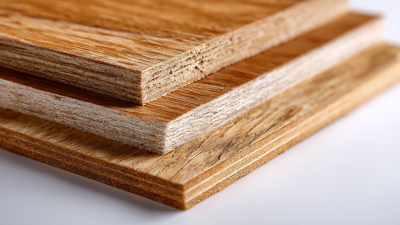
When considering structural wood panels, understanding their characteristics is crucial. Plywood consists of multiple layers of wood veneer, offering excellent strength.
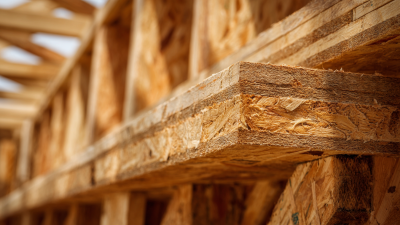
OSB is made from strands of wood, bonded together with adhesives, creating a dense and sturdy panel. MDF, on the other hand, is made from wood fibers and resin. It provides a smooth surface for painting or veneering.
Tips: Always check for environmental certifications when purchasing wood panels. This ensures you are selecting products that are sustainably sourced. Don’t overlook the importance of proper installation techniques. Even high-quality panels can fail if not installed correctly. Consider consulting professionals for structural projects.
Key Features and Properties of Structural Wood Panels
Structural wood panels are integral to modern construction. They provide strength and stability to various structures. These panels are mainly made from plywood, oriented strand board (OSB), and laminated veneer lumber (LVL). Their versatility makes them ideal for walls, roofs, and floors.
One key feature of structural wood panels is their load-bearing capacity. According to the American Wood Council, these panels can support significant weight, which contributes to the structural integrity of buildings. For instance, OSB can achieve shear strength ratings of up to 350 psf, showcasing its reliability. Additionally, wood panels are relatively lightweight, simplifying transportation and installation.
Another important property is their sustainable nature. Wood is a renewable resource, which helps reduce the carbon footprint of construction projects. However, not all wood panels are created equal. Some may be treated with chemicals that could raise safety concerns. It’s vital to consider the environmental impact of materials used. Thus, choosing responsibly sourced wood is essential, even if it may sometimes come at a higher cost. This choice reflects a commitment to sustainability and building longevity.
What is Structural Wood Panel and Why is it Important? - Key Features and Properties of Structural Wood Panels
| Property |
Description |
Importance |
| Material |
Typically made from engineered wood products such as plywood or OSB (Oriented Strand Board). |
Provides strength and durability compared to traditional lumber. |
| Weight |
Relatively lightweight, allowing for easier handling and transport. |
Reduces labor costs and improves efficiency during installation. |
| Insulation |
Good thermal insulation properties, which helps with energy efficiency. |
Contributes to energy savings and improves building comfort. |
| Moisture Resistance |
Many panels are treated to resist moisture and prevent warping. |
Increases longevity and reduces maintenance needs. |
| Versatility |
Can be used in various applications, including walls, roofs, and floors. |
Allows for creative architectural designs and space utilization. |
Applications of Structural Wood Panels in Construction
Structural wood panels play a significant role in modern construction. These panels include plywood, OSB, and LVL, which provide strength and stability. According to the American Wood Council, they account for about 90% of the structural wood panel market. This emphasizes their importance in building environments.
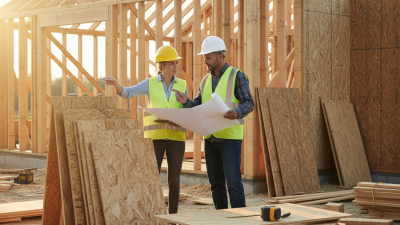
In construction, structural wood panels are used in floors, walls, and roofs. They offer superior load-bearing capacity, making them ideal for heavy-duty applications. Reports indicate that buildings using wood panels can be constructed 37% faster than traditional methods. This speed translates to cost savings and reduced labor.
However, challenges remain. Quality control is essential to avoid material defects. Also, moisture sensitivity can lead to durability issues if not managed properly. Industry experts recommend ongoing training for builders to ensure best practices are followed. Continuous improvement in production techniques can enhance performance over time.
Environmental Benefits of Using Structural Wood Panels
Structural wood panels offer significant environmental benefits that should not be overlooked. These panels utilize renewable wood resources, reducing reliance on non-renewable materials.
Unlike steel or concrete, wood panels have a lower carbon footprint. This is because trees absorb carbon dioxide during their growth. When used in construction, these panels continue to store carbon, contributing to climate change mitigation.
Moreover, the production process of structural wood panels tends to use less energy. This results in fewer greenhouse gas emissions. Manufacturing often involves local forests, minimizing transportation pollution. This practice supports sustainable forestry and ecosystem health.
Using structural wood panels can encourage responsible forest management practices. Despite these advantages, not all practices in the wood industry are sustainable. Some sources still rely on deforestation or unsustainable logging. It’s crucial for consumers to educate themselves about sourcing. Choosing certified products can ensure environmental responsibility. We must remain aware of the complexities in this industry and push for better practices.
Future Trends in Structural Wood Panel Technology and Design
Structural wood panels are gaining attention in the building industry for their versatility and sustainability. As construction technologies evolve, we see a shift towards innovative designs and materials that meet modern demands. The global structural wood panel market is projected to grow significantly. Reports indicate a compound annual growth rate of about 6.5% from 2022 to 2028. This growth reflects a rising interest in eco-friendly building solutions.
Future trends in structural wood panel technology are leaning towards enhanced performance characteristics. New manufacturing methods are improving strength and durability. For instance, cross-laminated timber (CLT) is becoming popular for its high structural integrity. Industry forecasts suggest CLT can reduce carbon emissions by up to 20% compared to traditional materials. However, the adoption of these technologies requires careful consideration. Not all projects may benefit from their unique properties.
Moreover, design innovations are expanding the application of wood panels. Architects are exploring more creative uses, integrating them into larger structural components. Yet, challenges remain, such as standardization and cost concerns. Balancing aesthetic appeal with structural performance is critical. Continuous research is needed to navigate these complexities. Future developments in this field will heavily rely on collaboration among engineers, architects, and material scientists.