Why Choose Poplar Plywood for Your Next Project?
Why choose Poplar Plywood for your next project? The answer begins with a practical balance between weight, workability, and surface quality. Poplar is relatively light, making large cabinet sides easier to lift and align. It also cuts cleanly, accepts paint well, and produces a smooth face for interior furniture, displays, doors, and wall panels. You can feel the difference when sanding: the sheet responds quickly, without excessive tool strain.
The USDA Forest Products Laboratory’s Wood Handbook reports an oven-dry specific gravity of about 0.42 for yellow-poplar. This figure helps explain its lower weight compared with many hardwood alternatives. However, species, moisture content, veneer grade, and manufacturing methods can change performance. The panel is not automatically perfect. It may dent more easily than birch plywood, especially around exposed edges. That limitation matters.
Responsible sourcing also deserves attention. The FAO Global Forest Resources Assessment 2020 reports that planted forests cover approximately 294 million hectares worldwide. This does not prove that every poplar panel is responsibly produced. Buyers should still request chain-of-custody documentation and emissions information. For structural applications, check the panel’s grading stamp and applicable standards, such as APA or PS 1 requirements. Appearance alone is not enough.
In real workshops, Poplar Plywood often offers a sensible middle ground. It is light enough for repeated handling and stable enough for many indoor applications. Yet project conditions should guide the choice. Humidity, impact exposure, span, and finish requirements can change the recommendation. A careful trial cut may reveal more than a sales brochure. That small test prevents expensive surprises.
What Is Poplar Plywood and How Is It Made?
Why Choose Poplar Plywood for Your Next Project?
What Is Poplar Plywood and How Is It Made?
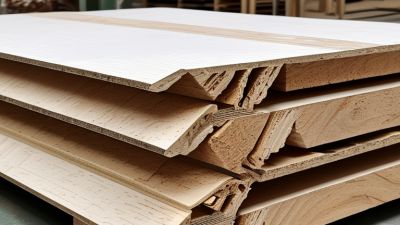
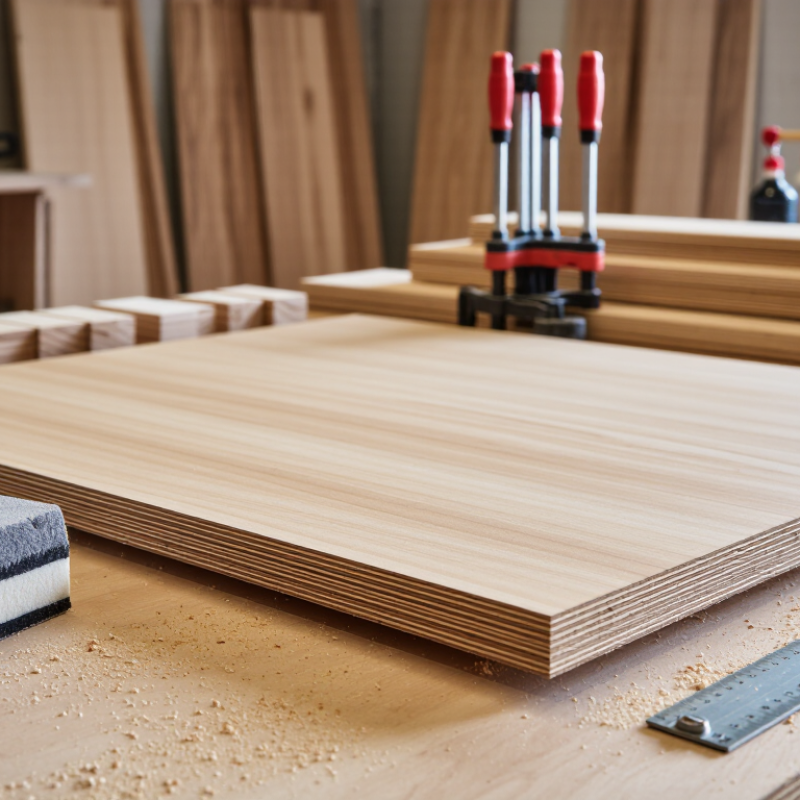
Poplar plywood is an engineered wood panel made from thin poplar veneers. Manufacturers peel these layers from debarked logs using a rotary cutting machine. The sheets are then dried to reduce moisture and limit later movement.
Each veneer is inspected for knots, splits, and uneven thickness. Workers arrange the layers with alternating grain directions. This cross-lamination gives the panel better stability than a single wood board. Adhesive is applied between the veneers, and heat and pressure bond them into a solid sheet. The panel is then trimmed, sanded, and graded for thickness and surface quality.
Poplar has a pale, even appearance. It also has a relatively light weight, which helps during cutting and installation. Its smooth surface accepts paint, laminate, and many water-based finishes with little preparation. In workshop projects, it cuts cleanly with sharp tools, although dull blades may cause fuzzy edges. That detail is easy to overlook.
It is not flawless. Poplar plywood can dent more easily than harder plywood, and poor drying may lead to warping. Check the panel for flatness, open gaps, and soft edges before purchase. Interior-grade panels suit furniture parts and decorative work, while damp locations require a properly rated adhesive and construction. Specifications still matter more than appearance.
Key Properties That Make Poplar Plywood a Practical Choice
Why Choose Poplar Plywood for Your Next Project?
Key Properties That Make Poplar Plywood a Practical Choice
Poplar plywood is valued for its low weight, smooth surface, and consistent structure. A full sheet feels easier to carry than many hardwood panels. This matters when one person handles cutting, assembly, and installation. Its pale, even face also accepts paint with little preparation. Sand lightly first. Do not skip that step.
In a small cabinet project, the panels cut cleanly with a sharp blade. The edges showed fewer rough fibers than expected. Poplar plywood also machines well for shelves, drawer parts, wall panels, and lightweight furniture. Its stable layers help reduce movement during normal indoor use. However, it is not a universal material. Soft poplar faces can dent under careless handling. Screws may also need pilot holes near the edges.
The material offers a practical balance between cost, appearance, and workability. Its light color can support painted designs or a simple clear finish. Yet, natural color may vary between sheets. That variation is easy to overlook. Moisture exposure deserves caution, too. Standard interior plywood should not be treated as waterproof. For kitchens, workshops, or humid rooms, confirm the panel’s grade and adhesive rating before cutting. A good project depends on those details, not only on a smooth surface.
Why Choose Poplar Plywood for Your Next Project?
Key Properties That Make Poplar Plywood a Practical Choice
Poplar plywood is valued for its relatively low density, making 12 mm panels lighter to handle than many hardwood plywood alternatives. Its uniform structure also supports clean cutting, routing, drilling, and finishing, which makes it practical for furniture components, cabinetry, interior panels, and lightweight construction applications.
The chart uses representative midpoint density values for commonly reported plywood species. Actual values vary with moisture content, veneer construction, and panel grade. Estimated panel mass is calculated for a 12 mm panel using a 1 m² surface area.
Advantages of Using Poplar Plywood in Different Projects
Poplar plywood earns attention because it balances low weight, clean machining, and practical strength. The USDA Forest Products Laboratory’s Wood Handbook reports yellow-poplar at roughly 29 pounds per cubic foot at standard moisture content. That relatively low density makes panels easier to carry, cut, and install than many heavier hardwood alternatives. A workshop team can move a full sheet with less strain. That matters on repeated interior projects.
Its smooth face supports painted cabinets, drawer parts, wall panels, and furniture prototypes. Poplar plywood also accepts screws and common adhesives well when the edges are prepared correctly. The APA Engineered Wood Construction Guide emphasizes that plywood performance depends on grade, thickness, veneer quality, and span. Therefore, a thin decorative panel should not be treated like a structural floor panel. This detail is often overlooked.
Moisture resistance requires careful judgment. Standard poplar plywood is not automatically suitable for wet rooms or exterior exposure. Check the panel’s bond classification and relevant compliance documents, including TSCA Title VI formaldehyde requirements in the United States. Interior designers often value its pale surface because it reduces primer use, but color can vary between sheets. It is not a miracle panel. Poor storage can still cause warping. Keep sheets flat, supported, and away from direct moisture before installation.
How to Select the Right Poplar Plywood for Your Needs
Why Choose Poplar Plywood for Your Next Project?
How to Select the Right Poplar Plywood for Your Needs
Poplar plywood is light, smooth, and easy to machine. It suits cabinets, drawer parts, wall panels, and painted furniture. However, selecting the right sheet requires more than checking its price. Define the project first. A cabinet side may need 12 millimeters, while a shelf often needs thicker material or added support. Thin panels can bend under surprising weight.
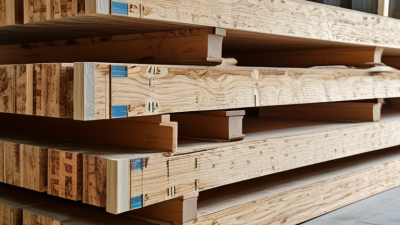
Inspect the face veneer under bright light. Look for open splits, loose patches, and uneven sanding. Turn the sheet over and examine the edges for gaps between plies. Fewer voids usually mean cleaner cuts and stronger screw holding. Ask about the plywood’s grade, core construction, moisture resistance, and emission testing. Documentation matters, especially for indoor furniture used around children.
Choose a smooth, consistent face for paint or clear finishes. For hidden framing, appearance matters less than stability and thickness accuracy.
I once selected a low-cost sheet that looked fine at the store. Its inner gaps appeared only after routing, forcing extra repairs. That mistake changed my inspection routine. I now check several sheets, not just one. Small differences matter.
Store the panels flat and away from damp floors. Let them adjust to the workshop before cutting. Sand gently, because aggressive sanding can expose the lighter core. Test screws and finish on an offcut. It takes minutes. Replacing a finished panel takes much longer.