Leave Your Message

10 Tips for Buying Poplar Plywood in Bulk?

Buying Poplar Plywood in bulk can reduce unit costs, but price alone rarely protects your project. Veneer grade, core construction, moisture content, thickness tolerance, bonding performance, and packaging can change the final result. A pallet that looks uniform may contain panels with different faces, repairs, or inconsistent cores.

The FAO Forestry Production and Trade database shows the continuing importance of wood-based panels in global construction and furniture supply chains. Meanwhile, the UNECE/FAO Forest Products Annual Market Review highlights changing demand, transport costs, and regional supply conditions. These reports suggest a practical lesson: bulk purchasing requires both market awareness and product verification. Not just negotiation.

Wood-products researcher Dr. Robert H. Falk has repeatedly emphasized a core engineering principle: “Performance depends on matching the material to its intended use.” That principle should guide every Poplar Plywood order. Interior furniture panels do not face the same demands as decorative walls, lightweight doors, or humid-room applications. ASTM D1037 and EN 314-2 testing references can help buyers compare durability and bonding performance, but paperwork cannot replace physical inspection.

This guide presents ten practical tips for buying Poplar Plywood in bulk. It covers supplier checks, sample approval, veneer grading, core quality, formaldehyde documentation, moisture control, packaging, delivery planning, and hidden costs. Some assumptions may fail.

That is worth acknowledging. A low quotation may reflect thinner panels, weaker glue lines, or less protective packaging. Careful buyers measure, document, and question every detail before approving a full shipment.
10 Tips for Buying Poplar Plywood in Bulk?

Define Your Bulk Plywood Requirements and Project Specifications

Buying poplar plywood in bulk starts with a clear project brief, not a low unit price. Define the panel length, width, thickness, core construction, face grade, and acceptable defects. Record the required quantity, cutting allowance, delivery schedule, and storage conditions. Tip: Measure twice. A 3–5% waste allowance may be reasonable, but complex shapes can require more.

Specify performance before ordering. Furniture panels may need a smoother face, while crates or interior partitions may prioritize strength and cost. Ask for formaldehyde-emission classification, moisture content, bonding type, and tolerance data. The USDA Forest Products Laboratory Wood Handbook, FPL-GTR-282, explains that wood movement varies significantly across grain directions. This matters when panels will face humidity changes. Tip: State the end use clearly. “Interior furniture” is not precise enough. Include expected temperature and humidity.

Use the FAO Forestry Production and Trade database to compare recent plywood production and trade trends before fixing a large purchase. Market data can reveal seasonal pressure, but it cannot replace physical inspection. Request samples from several production lots, then check thickness with a calibrated gauge. Inspect veneer gaps, core overlaps, surface repairs, edge damage, and flatness under normal light. Tip: Approve a written sample standard. I once underestimated packaging damage; the panels looked acceptable, but corners failed after unloading. Define pallet height, wrapping, labels, and inspection procedures. Leave room for error.
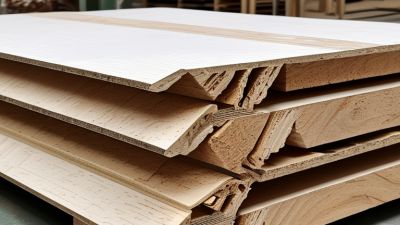
10 Tips for Buying Poplar Plywood in Bulk: Define Your Bulk Plywood Requirements and Project Specifications

Use the chart to estimate how many nominal plywood sheets are required to cover a 1,000-square-foot project before adding a cutting-waste allowance. Coverage is calculated from common sheet dimensions: length × width.

Actual purchasing quantities should also account for grain direction, panel thickness, cutting layouts, defects, and approximately 10% extra material for waste.

Evaluate Poplar Plywood Grades, Thicknesses, and Core Construction

Buying poplar plywood in bulk requires more than comparing price per sheet. Grade descriptions can vary between suppliers, so request written specifications and physical samples. Examine the face for open knots, patches, splits, and uneven sanding. Check the edges.


Thickness matters during machining and installation. A sheet labeled 18 millimeters may measure slightly less after sanding. Use a caliper at several points, not only the center. For cabinet parts, small variations can affect joints, drawer alignment, and final panel dimensions. Confirm moisture content before shipment, especially when panels will enter a dry workshop.

Core construction often determines long-term performance. A multi-layer poplar veneer core usually offers better screw holding than a loosely assembled core. Look for tight crossbands, limited voids, and consistent veneer thickness. Cut one sample panel to inspect hidden gaps. Small defects matter. Also check whether the adhesive suits interior or humid applications.


For a bulk order, approve a reference sample and record its grade, thickness, core layout, and surface quality. Ask how the supplier controls warping during pressing and storage. Inspect a percentage of each pallet when it arrives, rather than trusting the top sheets. I would also leave room for rejected panels, because even careful production is not perfectly uniform. That allowance is easy to forget.

Verify Supplier Quality, Certifications, and Production Capacity

Buying poplar plywood in bulk requires more than comparing prices. Supplier quality must be checked through physical samples, test records, and consistent communication. Request panels from recent production, not only showroom pieces. Inspect the face veneer for open knots, patches, sanding marks, and color differences. Cut one panel to examine core gaps, glue lines, and thickness accuracy. Small defects become expensive when multiplied across a container.

Ask for certification documents that match the actual factory and product grade. Verify their issuing bodies, validity dates, and covered standards. Do not accept a certificate image without checking its details. Request moisture readings, formaldehyde test results, and bonding performance data for each relevant batch. A reliable supplier can explain testing methods in clear language. Vague answers deserve caution.

Production capacity also affects quality. Ask for monthly output, current orders, drying equipment, pressing lines, and backup plans. Confirm whether the supplier controls veneer preparation and panel pressing or outsources major steps. A factory may promise fast delivery, yet lack enough dry poplar during peak months. Request a realistic production schedule and pre-shipment inspection rights. Visit the facility if possible. Look at warehouse labels, pallet protection, and loading conditions. Keep written records of agreed tolerances, packaging, and replacement procedures. No checklist is flawless. A polished sample can mislead, and even experienced buyers sometimes overlook moisture changes during transit.

10 Tips for Buying Poplar Plywood in Bulk? - Verify Supplier Quality, Certifications, and Production Capacity

No. Buying Tip What to Verify Recommended Evidence or Benchmark Bulk-Buying Relevance Warning Sign
1 Confirm the plywood grade Check whether the panels are intended for interior, furniture, construction, or moisture-exposed applications. Request a written product specification covering grade, face quality, core construction, thickness, and permitted tolerances. Prevents an entire shipment from being unsuitable for the planned end use. The supplier provides only a generic description such as “premium plywood.”
2 Inspect veneer and core quality Evaluate gaps, overlaps, knots, patches, splits, delamination, surface sanding, and panel flatness. Obtain representative samples from different production batches and inspect both faces and edges. Core defects can increase cutting waste, rejects, and assembly problems across a large order. Only handpicked samples are available, or the supplier refuses batch sampling.
3 Verify thickness and dimensions Measure thickness, length, width, squareness, and diagonal difference against the agreed specification. Use calibrated measuring tools and define acceptable tolerances in the purchase contract; common nominal thicknesses include 3, 6, 9, 12, 15, 18, and 25 mm. Dimensional variation affects CNC settings, nesting plans, and finished-product fit. The quotation lists nominal sizes but no measurement tolerances.
4 Test moisture content Check whether moisture levels are suitable for storage, transport, and the intended application. Request test records and independently measure several panels with a calibrated moisture meter; acceptance limits should be agreed by product specification and end use. Excess moisture may cause warping, swelling, mold growth, or dimensional changes during shipment. Panels feel damp, show staining, or arrive without moisture-control packaging.
5 Confirm bonding performance Identify the adhesive type and verify resistance to delamination under the required service conditions. Request a technical data sheet and bond-quality test results applicable to the specified plywood grade. Weak bonding can create widespread product failures that are costly to recall or rework. The adhesive specification is undisclosed or test reports cannot be matched to the product.
6 Check formal certifications Verify certifications for quality management, legal timber sourcing, emissions, or product standards as required by the destination market. Check certificate scope, validity dates, certificate holder, production site, and certification-body records. Examples may include ISO 9001, FSC, PEFC, or CARB Phase 2/TSCA Title VI where applicable. Valid documentation supports customs clearance, customer compliance, and responsible sourcing claims. A logo is shown without a certificate number, scope, expiry date, or verifiable record.
7 Assess production capacity Review veneer supply, hot-press capacity, sanding lines, labor availability, and current production commitments. Request a capacity statement showing realistic monthly output, lead time, peak-season limits, and the planned production schedule. Helps prevent partial shipments, missed launch dates, and quality reductions caused by rushed production. The supplier promises immediate delivery for volumes far above its stated capacity.
8 Audit quality-control procedures Review incoming-log inspection, in-process checks, final inspection, calibration, nonconformance handling, and traceability. Request inspection forms, corrective-action records, batch codes, and a documented sampling plan. A repeatable QC system is more reliable than a visual inspection performed only before shipment. The supplier cannot trace panels to a production batch or provide inspection records.
9 Define packaging and logistics Confirm pallet design, edge protection, moisture barriers, container loading, marking, and storage requirements. Approve a packaging specification with pallet quantity, gross weight, loading photos, shipping marks, and container quantity. Proper packaging reduces edge damage, water exposure, unloading losses, and claims. Pallets are unstable, panels are exposed to rain, or shipping marks are incomplete.
10 Use pre-shipment inspection and contract controls Set acceptance criteria, inspection timing, sample size, remedies, delivery terms, and payment milestones before production. Use an independent inspection before shipment and require approval of a production sample or golden sample. Formal controls provide evidence and leverage if a large shipment fails agreed requirements. The supplier requests full payment before inspection or refuses written acceptance criteria.

Compare Bulk Pricing, Minimum Orders, and Shipping Terms

When buying poplar plywood in bulk, compare more than the quoted sheet price. Ask for pricing at three volume levels. A larger order may reduce the unit cost but increase storage pressure. Confirm the plywood grade, thickness, core construction, face quality, and moisture condition. Small differences matter during cutting and finishing.

Check the minimum order carefully. Some suppliers set minimums by sheets, pallets, or full truckloads. Request a written breakdown of setup fees, pallet charges, and inspection costs. Confirm whether mixed thicknesses count toward the same minimum. Ask for production lead time, packing details, and replacement terms for damaged sheets. Short sentences help. Do not assume.

Shipping terms can change the real price quickly. Compare freight, loading fees, insurance, delivery location, and unloading responsibilities. A low factory price may become expensive after long-distance transport. Ask whether the quoted freight is fixed or estimated. Check pallet dimensions, stacking limits, and delivery access at your warehouse. Measure your storage space before ordering.

Use a simple cost-per-usable-sheet calculation, not just cost per sheet. Deduct expected waste from warped, chipped, or undersized panels. One previous bulk order taught me this lesson: the cheapest quote created extra trimming work and delayed production. My comparison was incomplete. Request recent quality samples, inspect several sheets, and record every assumption before signing the purchase agreement.

Inspect Samples and Confirm the Final Purchase Agreement

When buying poplar plywood in bulk, sample inspection should guide the final decision. Request several sheets from the same production batch. Check both faces under bright, angled light. Look for core gaps, overlapping veneers, loose patches, and uneven sanding. Measure thickness at multiple points with a calibrated caliper. Small variations can affect pressing, cutting, and assembly. Do not trust one perfect sheet.

Test the sample as your workshop will use it. Cut a strip, inspect the edges, and apply a normal screw or adhesive process. Watch for splintering, delamination, warping, and weak holding strength. Record moisture content if the plywood will enter a controlled interior project. A simple inspection log can include sheet size, thickness, grade, face quality, and test results. Photographs help, but they cannot replace physical checks.

Before paying the balance, turn the accepted sample into a detailed purchase agreement. State the approved grade, dimensions, thickness tolerance, moisture range, surface standard, packaging method, quantity, delivery schedule, and inspection procedure. Include what happens when delivered sheets differ from the approved sample. Clarify replacement, credit, or rejection terms in plain language. Ask the supplier to sign every specification page. Verbal promises fade quickly. One overlooked tolerance can become a costly stack of unusable panels. Leave room for a final pre-shipment check; confidence is useful, but evidence is better.