Leave Your Message

How to Choose the Right Structural Wood Panel for Your Project?

Choosing the right structural wood panel for your project is crucial. It impacts the durability and aesthetics of your construction. Structural wood panels are available in various types. Each type serves different needs and applications. Understanding these options is essential for optimal results.

When selecting a structural wood panel, consider factors like strength, thickness, and moisture resistance. The right choice can enhance stability and structural integrity. Conversely, a poor selection may compromise your project. It's important to assess your project's specific requirements thoroughly.

Many overlook these details, leading to unforeseen issues later. Engaging with experts can provide valuable insights. Their experience helps navigate complexities in choosing structural wood panels. Proper selection ensures long-lasting performance and satisfaction in the final outcome.
How to Choose the Right Structural Wood Panel for Your Project?

Factors to Consider When Selecting Structural Wood Panels for Your Project

When selecting structural wood panels for your project, several factors come into play. Understanding your project's needs is essential. First, consider the load-bearing capacity of the panels. According to industry reports, plywood typically has a higher strength-to-weight ratio than oriented strand board (OSB). Your choice may depend on whether you need lightweight panels for framing or heavier options for flooring.

Moisture resistance is another critical factor. In areas with high humidity or potential water exposure, choose panels with better moisture properties. Plywood usually performs well, but OSB has improved in this aspect with protective coatings. It’s important to assess the environment in which the panels will be used.

Tips:

  • Always check the manufacturer’s specifications for strength ratings and moisture resistance.
  • Consider the intended finish of your project; this might affect your choice of panel type.
  • Don’t overlook the environmental impact. Opt for sustainably sourced materials when possible.

Evaluate the long-term performance of different wood panels. While cost is important, investing in quality can save you from future repairs. Reflect on how often your project may experience wear and tear. This will guide you in making a more informed choice.

Understanding the Different Types of Structural Wood Panels Available

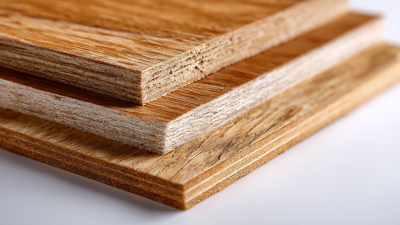
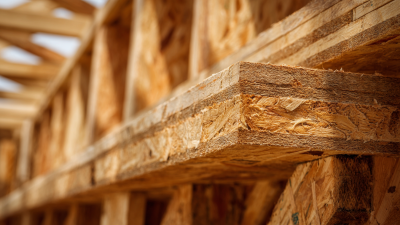
When selecting the right structural wood panel, understanding the various types available is crucial. Common options include plywood, oriented strand board (OSB), and laminated veneer lumber (LVL). Each type has unique properties suited for different applications. According to the Forest Products Laboratory, plywood offers high strength and flexibility. In contrast, OSB is often more affordable and environmentally friendly.

Tip: Always consider the specific demands of your project. Are you looking for insulation value, structural integrity, or resistance to moisture? Making the right choice here can lead to savings and longer-lasting results.

Plywood excels in applications like roofing and shear walls due to its stability. OSB is a strong choice for flooring and wall sheathing, especially in dry conditions. LVL is engineered for high-load situations. Despite these advantages, each panel type has drawbacks. For instance, OSB can swell in high moisture, compromising strength.

Tip: Evaluate the environmental conditions your structure will face. Resistance to mold and decay can be as important as strength. Balance your choice based on these factors for optimal results.

How to Choose the Right Structural Wood Panel for Your Project?

Type of Structural Wood Panel Applications Benefits Considerations
OSB (Oriented Strand Board) Flooring, roofing, wall sheathing Cost-effective, high strength Moisture sensitive, can warp
Plywood Furniture, cabinetry, structural components Durable, versatile, smooth surface More expensive than OSB
Particleboard Furniture, cabinets, flooring underlayment Inexpensive, easy to fabricate Lower strength, prone to moisture damage
MDF (Medium Density Fiberboard) Cabinetry, moldings, decorative panels Smooth finish, easy to paint Not as strong, sensitive to moisture
CLT (Cross-Laminated Timber) Multi-story buildings, large structural components Sustainable, strong, environmentally friendly Higher cost, requires skilled labor for installation

Evaluating Load-Bearing Capacity and Structural Integrity of Wood Panels

How to Choose the Right Structural Wood Panel for Your Project?

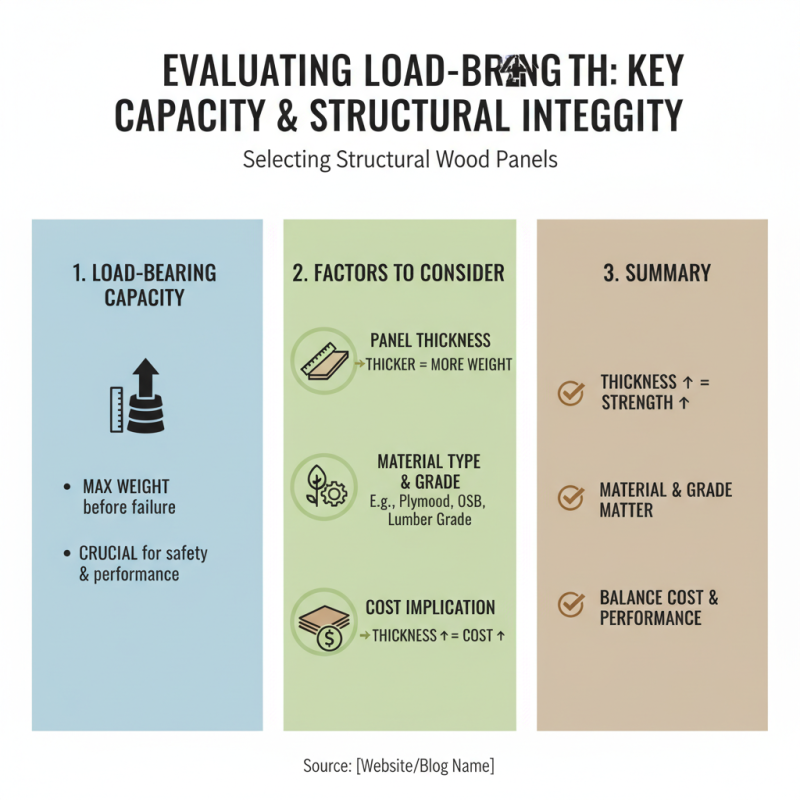
When selecting structural wood panels, evaluating their load-bearing capacity is crucial. Load-bearing capacity refers to the amount of weight a panel can support without failing. One must consider factors like panel thickness, material type, and grade. Thicker panels usually carry more weight. However, higher thickness often means increased cost.

Structural integrity plays a vital role in ensuring durability. Look for panels with a strong connection between their fibers. This enhances their ability to withstand stresses. It's essential to assess environmental conditions. Moist environments can weaken wood over time, leading to costly repairs.

Many builders overlook these aspects in favor of cost savings. This can lead to undesired consequences. It's wise to seek advice from experts. Their insights can guide you in making informed choices. Testing different panels can highlight strengths and weaknesses. Remember, not all panels are created equal, and what works for one project may not suit another.

Assessing Environmental Impact and Sustainability of Wood Panel Choices

When selecting structural wood panels, understanding their environmental impact is crucial. Many wood panels come from forests that are managed sustainably. This practice ensures that we don’t deplete natural resources. However, not all wood panels are created equal. Some may contribute to deforestation and habitat loss. It’s vital to research the sourcing of the wood.

Consider the certifications of wood panels. Look for labels like FSC (Forest Stewardship Council) or PEFC (Programme for the Endorsement of Forest Certification). These certifications indicate responsible forestry practices. Panels without these labels might not adhere to sustainable practices. Choosing certified wood panels can help minimize your project’s environmental footprint.

Tips for assessment:

  • Ask about the sourcing of the wood.
  • Review the supply chain documentation.
  • Prioritize local materials to reduce transportation emissions.

Despite the availability of sustainable options, not every choice is clear-cut. Sometimes, the best option for one project might not be ideal for another. It’s essential to weigh the pros and cons. Not all local sources practice sustainable methods. Reflect on these factors before making a decision.

Cost Analysis: Balancing Budget and Quality in Wood Panel Selection

How to Choose the Right Structural Wood Panel for Your Project?

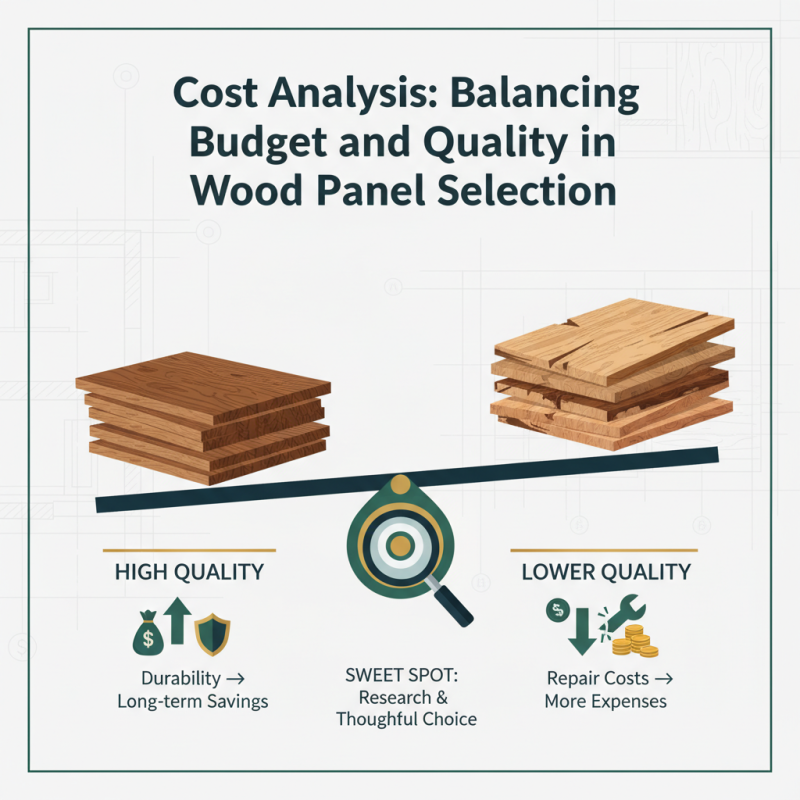
When selecting structural wood panels, budget considerations play a vital role. It's important to balance quality with cost. High-quality panels might seem expensive, but they can save money in the long run through durability. Lower-quality panels can lead to repair costs later on. Finding that sweet spot requires careful thought and research.

Think about your project's specific needs. Will the panel be exposed to weather elements, or will it remain sheltered indoors? Outdoor panels often require higher durability, increasing costs. However, choosing a slightly less expensive option might also mean sacrificing longevity. It's essential to weigh these factors carefully.

Remember, imperfections can guide your decision-making. Sometimes, a less-than-perfect panel fits a project just right. It’s about finding what works for you. Exploring alternatives and materials can lead to unexpected benefits. This journey demands reflection and open-mindedness.