What is Plywood Laminated Board and Its Benefits?
Plywood Laminated Board has emerged as a key player in the construction and furniture industries. According to the latest report by the International Plywood Association, the market for laminated boards is projected to grow by 8% annually. This growth is driven by increasing demand for sustainable and durable materials.
Industry expert Dr. John Reynolds, noted for his work in eco-friendly materials, emphasizes, "Plywood Laminated Board not only offers strength but also reduces waste." This statement highlights the dual benefits of functionality and environmental responsibility. Yet, there are challenges. Some manufacturers struggle with consistency in quality. The complexity of the production process can lead to variations, impacting user satisfaction.
Overall, while the advantages of Plywood Laminated Board are clear, the industry must address these imperfections. Enhancing quality control could lead to better customer outcomes. A focus on innovation and sustainability remains critical as the market evolves.
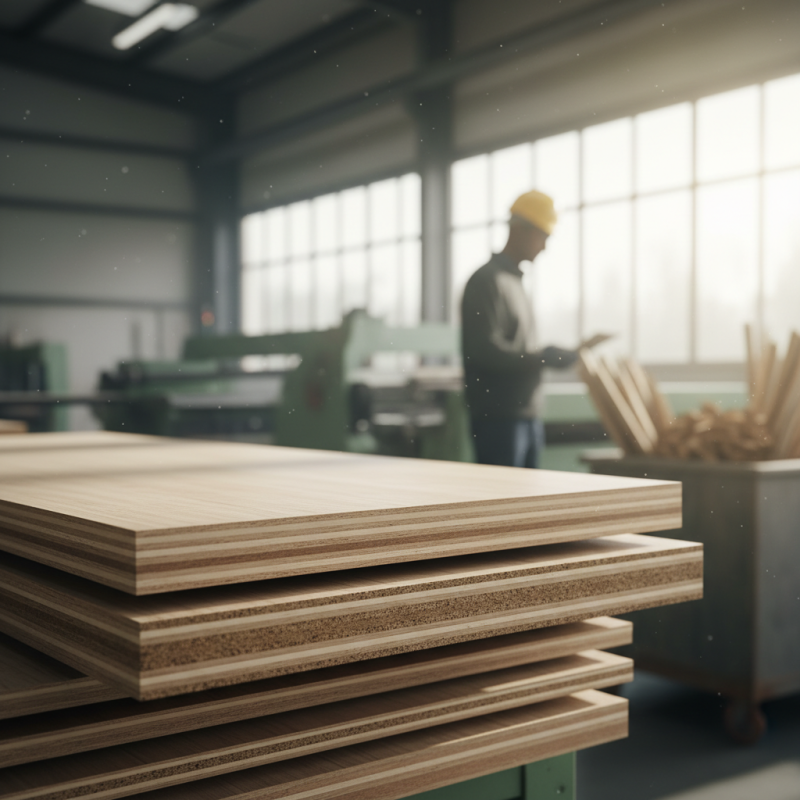
Definition of Plywood Laminated Board
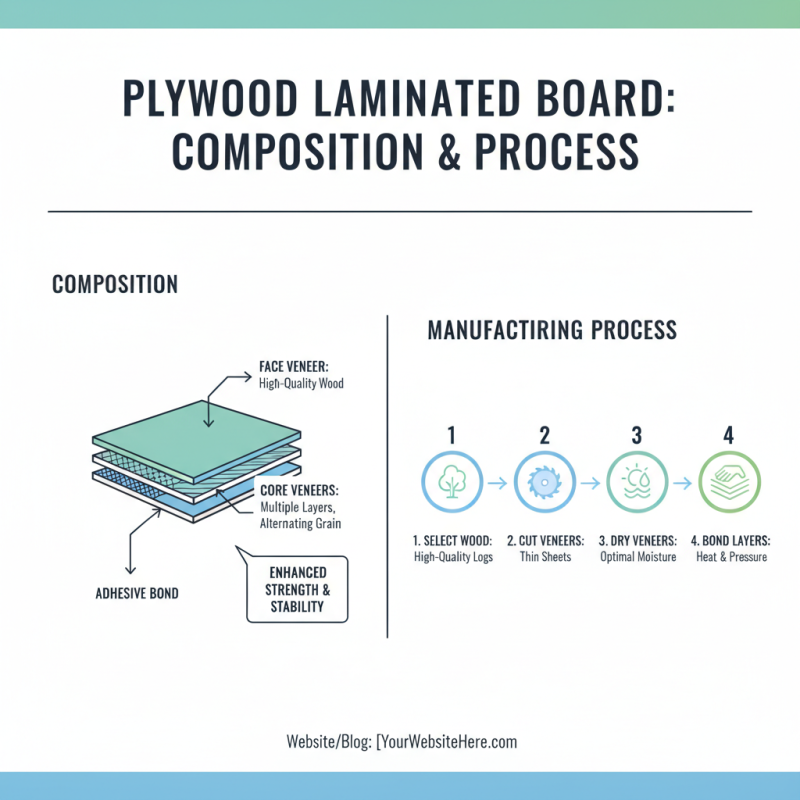
Plywood laminated board is created by layering thin sheets of wood, also known as veneers, together. These layers are bonded with adhesive to enhance strength and durability. This material is widely used in furniture and construction because it offers stability and resilience. According to industry reports, the plywood market is expected to grow by 4.5% annually, reflecting its increasing demand.
One significant benefit of plywood laminated board is its resistance to warping and cracking. With the right manufacturing processes, it can maintain its shape over time. This quality makes it suitable for various applications. However, improper curing and bonding may lead to delamination. It’s essential to ensure high-quality production standards.
Tips: Always check for certifications when purchasing plywood laminated boards. Look for eco-friendly options that meet environmental standards. Consider local suppliers to reduce transportation costs and support the community. Remember that not all boards are created equally; some may not meet your specific needs.
Advantages of Using Plywood Laminated Board in Construction
Plywood laminated board is a versatile material often used in construction. It offers several advantages that make it attractive for builders and architects. One primary benefit is its strength. The layers of plywood are glued together, resulting in enhanced durability. This makes it resistant to warping and cracking.
Another advantage is its lightweight nature. Unlike solid wood, plywood laminated boards are easier to handle. This can speed up the construction process. Furthermore, these boards come in various sizes and thicknesses, allowing for flexibility in design. They can be easily cut into shapes without losing structural integrity.
Cost is an important factor too. Plywood laminated boards generally cost less than solid wood. However, considering their strength and lifespan, they provide excellent value for money. On occasion, there can be issues with uniformity. Some boards may have visible seams or uneven surfaces. This can be a concern during installation or finishing. Thus, selecting high-quality materials is crucial to overcome this drawback.
Common Applications of Plywood Laminated Board
Plywood laminated boards are popular in various applications. They are made by bonding multiple layers of wood veneer together. This process enhances strength and durability. These boards are often used in construction, furniture-making, and interior design.
In construction, plywood laminated boards are favored for flooring and wall panels. They provide excellent stability and resistance to moisture. They can withstand heavy loads, making them suitable for structural elements. In furniture-making, designers appreciate their versatility. Tables, cabinets, and shelves can be crafted with this material, allowing for creative shapes and finishes.
However, there are challenges. Not all plywood laminated boards are created equal. Quality can vary significantly between manufacturers. This might result in limitations in sustainability or strength. Likewise, while they are generally cost-effective, premium options can become expensive. Users must weigh costs against long-term benefits carefully.
Comparison with Other Wood-Based Materials
Plywood laminated board stands out in the realm of wood-based materials. Unlike solid wood, it consists of multiple layers glued together. This construction offers superior strength and stability. The layering process helps reduce the risk of warping and cracking. Such durability is particularly beneficial for furniture and flooring applications.
When comparing plywood laminated board to other wood products, differences become clear. MDF (medium-density fiberboard) is often denser but lacks the structural integrity found in laminated boards. Particleboard, another alternative, tends to swell in moisture. In contrast, plywood laminated boards perform better in humid conditions. They maintain their shape and quality for a longer duration.
However, laminated boards are not without their drawbacks. The glues used in the manufacturing can emit volatile organic compounds. This raises concerns about indoor air quality. Additionally, the complexity of production can lead to slight imperfections in the surface. These aspects highlight the need for careful consideration when choosing materials for specific applications.
Plywood Laminated Board vs Other Wood-Based Materials