What Are Lumber Beams Used For in Modern Construction?
Lumber beams play a key role in modern construction. They are essential for various structural applications. From residential homes to large commercial buildings, these beams support weight and provide stability.
In recent years, the appeal of lumber beams has grown. Their natural aesthetic adds warmth to spaces. However, their use comes with challenges. The environmental impact of timber harvesting raises concerns. Builders must consider sustainability in their choices.
Despite these challenges, lumber beams remain popular. They offer versatility and strength. Their use can enhance architectural designs. Yet, ensuring quality and adhering to regulations is crucial. Construction professionals must be mindful of these aspects to maintain integrity in their projects.
Types of Lumber Beams Commonly Used in Modern Construction
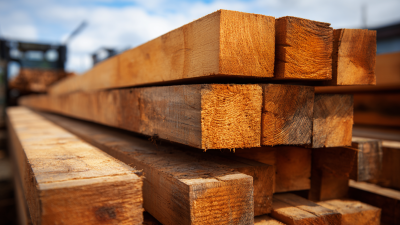
Lumber beams play a crucial role in modern construction. Various types of lumber beams are commonly used, each serving specific purposes. For instance, timber beams are often preferred for their strength and flexibility. They can bear significant loads, making them suitable for framing structures.
Another popular type is engineered wood beams. These beams are manufactured using multiple layers of wood. They provide added durability and stability. However, they can be more expensive than traditional lumber beams. Builders sometimes face challenges in sourcing quality materials, leading to inconsistent results.
Glulam beams are also frequently utilized. They are made by gluing together layers of lumber, allowing for larger spans. This can create open spaces in homes and commercial buildings. Yet, the process requires precise craftsmanship. Some builders may struggle with the necessary techniques. Attention to detail is key to achieving a successful installation. Each type of lumber beam has its pros and cons, and understanding them is essential for effective construction.
Types of Lumber Beams Used in Modern Construction
Structural Functions of Lumber Beams in Building Frameworks
Lumber beams play a crucial role in modern construction. They provide essential structural support and are key in building frameworks. According to a 2021 report by the American Wood Council, about 80% of single-family homes in the U.S. utilize lumber beams in their construction. These beams help distribute loads efficiently, enhancing the stability of structures.
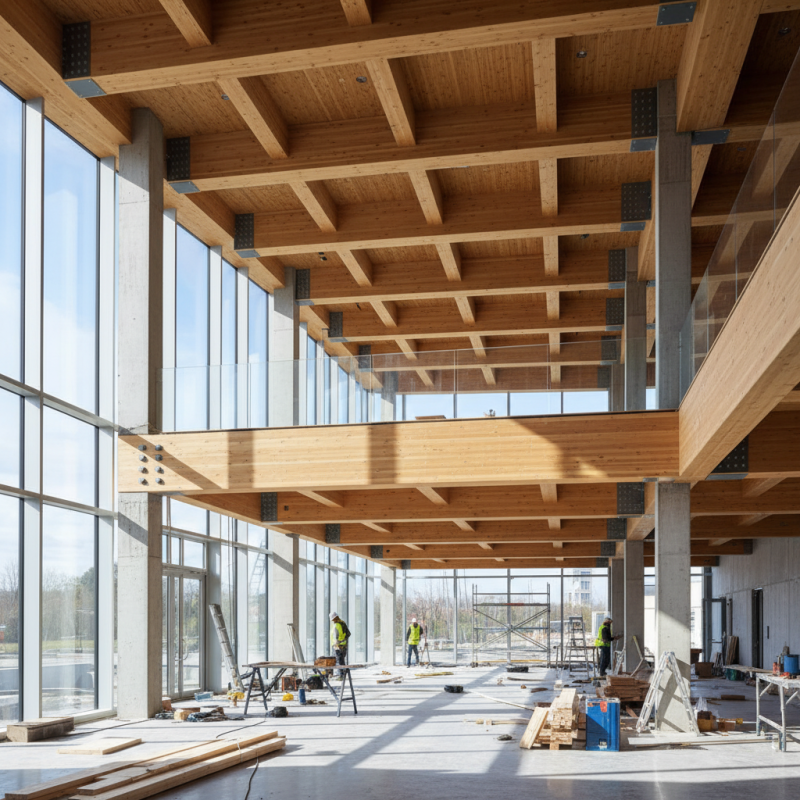
In commercial settings, lumber beams often support large open spaces. The ability of these beams to span wide areas without compromising strength is vital. Many architects prefer them for aesthetic reasons, too. However, it's important to acknowledge that not all lumber beams are created equal. Variations in species, moisture content, and treatment can affect their performance. Some studies suggest that improper selection can lead to structural issues.
Moreover, environmental factors must be considered. Wood is susceptible to rot, pests, and moisture damage. This raises questions about longevity and sustainability. While treatments exist to mitigate these risks, they are not foolproof. Some beams may require replacement sooner than anticipated. Evaluating the correct types and treatment methods is essential in ensuring durability and safety in construction projects.
Comparison of Lumber Beams with Alternative Materials in Construction
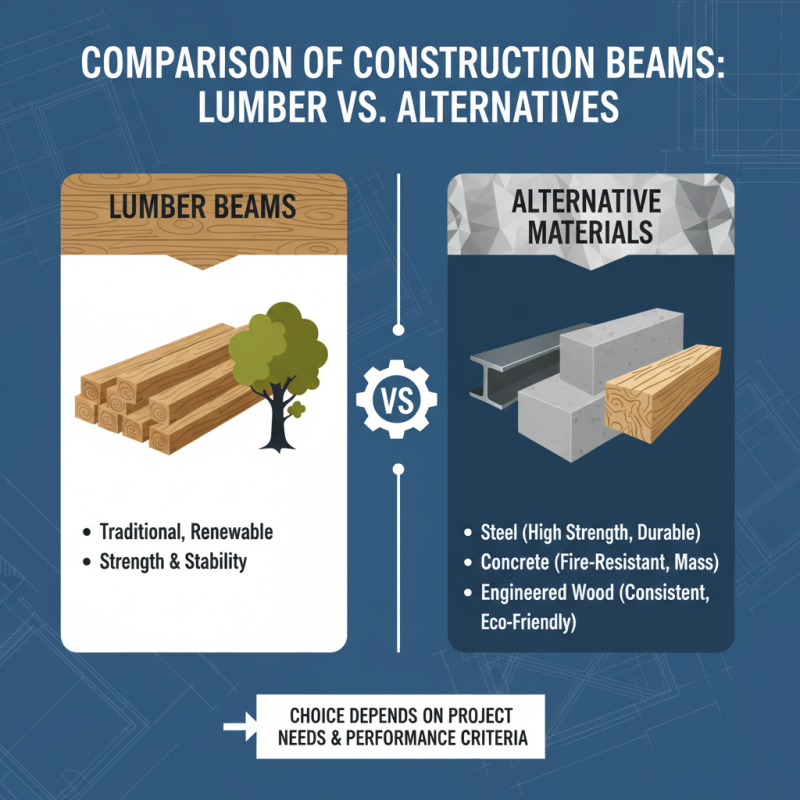
Lumber beams have always been a staple in construction. They provide strength and stability for various structures. However, there are different options available today. Understanding the characteristics of alternative materials is key for builders.
Steel beams are popular for their durability and load-bearing capacity. They can handle significant weight over long spans. However, they can be costly and often require additional insulation. Concrete is another option that offers great compressive strength. Yet, it may not have the same aesthetic appeal as wood. Each material has its advantages and drawbacks.
When comparing lumber beams to these alternatives, consider the environmental impact. Wood is renewable and adds natural beauty to designs. However, it can be prone to decay and insect damage. Balancing performance and sustainability remains a challenge. Choosing the right material often depends on project needs and aesthetic goals.
Benefits of Using Lumber Beams in Sustainable Building Practices
Lumber beams are gaining popularity in sustainable construction. They provide strength and durability. Using wood from responsibly managed forests is a key part of eco-friendly building.
One major benefit of lumber beams is their low carbon footprint. Trees absorb carbon dioxide while growing. When used in construction, wood continues to store carbon. This helps reduce overall greenhouse gas emissions. However, not all lumber is equal. Sourcing locally can minimize transportation emissions.
Tips for using lumber wisely: choose certified sustainable sources. This ensures forests are protected. Another tip is to plan your project carefully. Proper measuring can help avoid waste. Lastly, consider the lifecycle of your materials. Even after demolition, wood can be repurposed or recycled.
What Are Lumber Beams Used For in Modern Construction? - Benefits of Using Lumber Beams in Sustainable Building Practices
| Application |
Benefits |
Sustainability |
Cost-Effectiveness |
| Residential Framing |
Provides strong structural support |
Renewable resource when sourced sustainably |
Cost-efficient compared to steel |
| Commercial Spaces |
Versatile for various designs |
Carbon footprint reduction |
Lower construction costs |
| Bridges and Overpasses |
Durable and flexible material |
Utilizes local timber sources |
Reduces load and transportation costs |
| Outdoor Structures |
Aesthetic appeal and natural look |
Biodegradable at end of life cycle |
Lower maintenance costs |
| Interior Design Elements |
Enhances visual interest |
Supports eco-friendly building efforts |
Effective use of natural light |
Key Considerations in Choosing Lumber Beams for Construction Projects
When choosing lumber beams for construction projects, it’s essential to consider several key factors. The type of wood used greatly affects the strength and durability of the beams. Softwoods like pine are often used for residential projects due to their weight and cost-effectiveness. Hardwoods, while more expensive, provide excellent strength for heavier structures.
Another important consideration is the size and span of the lumber beams. A larger beam may be required for longer spans to ensure structural integrity. Always check local building codes to meet safety requirements. Using improperly sized beams can lead to serious issues down the road.
**Tips:** Always consult with a structural engineer during your planning phase. They can provide insights into the best materials and designs for your specific project. Additionally, ensure that your lumber is sourced sustainably to support responsible forestry practices. Finally, take time to reflect on your material choices. While cost savings are important, quality should never be overlooked.