Leave Your Message

How to Choose the Best Film Faced Plywood?

Choosing the best Film Faced Plywood is not simply a matter of selecting the darkest surface or the lowest price. The right panel must match the project’s pressure, moisture, handling, and reuse requirements. A concrete wall may need a different solution from a bridge deck or warehouse floor. Small differences matter. Glue quality, veneer structure, core gaps, film weight, edge sealing, and panel thickness all affect performance.

Dr. James E. Kamke, a respected wood-composites researcher, has emphasized that “engineered wood performance depends on both material design and service conditions.” This principle is easy to overlook. A panel can look flawless in a showroom yet swell after careless storage in rain. Another may perform well repeatedly because its edges were sealed and its release agent was applied correctly. The plywood is only part of the system.

This guide explains how to compare Film Faced Plywood with practical judgment. It examines surface film, core construction, bonding quality, tolerances, certification, and supplier reliability. It also considers reuse expectations, because “reusable” is not a fixed number. Site handling changes the result. I have seen buyers focus heavily on film color while ignoring core density and edge damage. That choice can become expensive.

There is no universal best panel. The strongest option on paper may be unnecessary for a small indoor pour. The cheapest option may fail after one demanding cycle. Careful selection means checking technical data, inspecting samples, asking direct questions, and admitting where the available information is incomplete.
How to Choose the Best Film Faced Plywood?

Classify Film Faced Plywood by Core, Thickness, and EN 314-2 Bond Class

How to Choose the Best Film Faced Plywood?

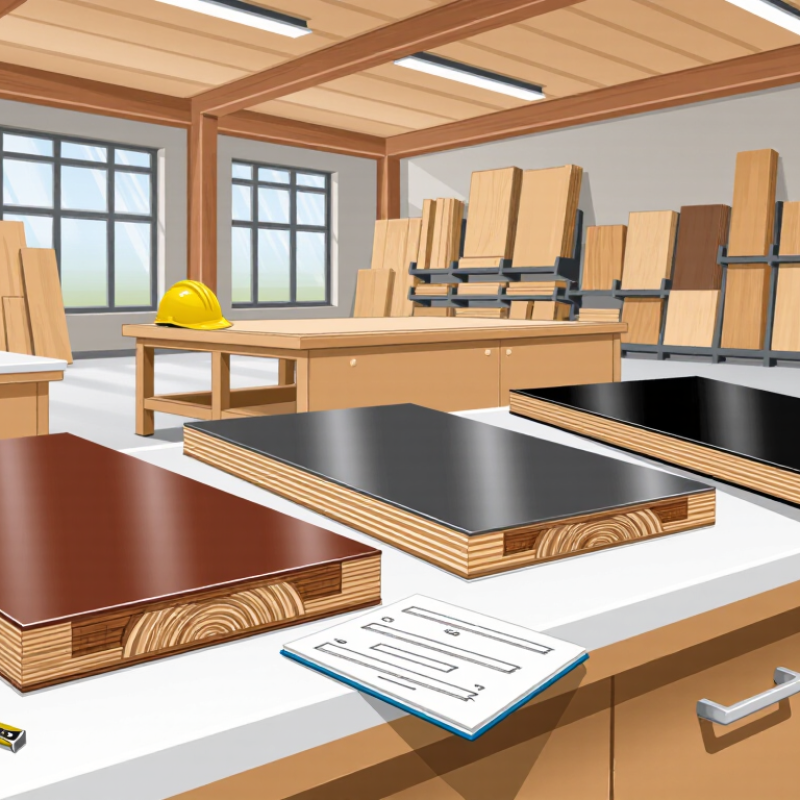
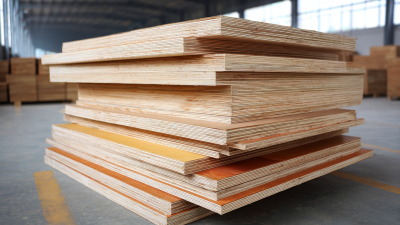
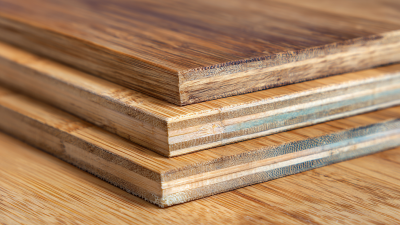
Film faced plywood should be classified by its core, thickness, and EN 314-2 bond class. The core affects weight, strength, screw holding, and edge quality. Poplar cores are light and easy to handle, while hardwood cores usually offer higher stiffness and better impact resistance. Combi cores can balance cost and performance. Check the edge carefully; visible gaps may indicate weak construction. A clean, tightly pressed edge is more reassuring.

Thickness controls panel deflection and handling. Thin sheets may suit lighter formwork, but they can bend under wet concrete pressure. Thicker panels reduce movement, although they add weight and may slow installation. In practical inspections, I compare thickness across several points, not just one corner. A thicker panel is not automatically better. Poor bonding or uneven veneers can still reduce service life.

Tips: Match the EN 314-2 class to exposure. Class 1 suits dry interior use, Class 2 suits humid conditions, and Class 3 supports exterior exposure. Ask for test documents, production details, and moisture guidance. Do not rely only on a printed label. Film quality, core repairs, and storage conditions also matter. Keep panels flat and covered, but allow ventilation. Small storage mistakes can damage good plywood. I have seen specifications look perfect on paper, yet poor handling caused early surface wear. That is worth checking before purchase.
Compare 120–240 g/m² Phenolic Films for Surface Quality and Reuse

How to Choose the Best Film Faced Plywood?

When comparing film faced plywood, focus on phenolic film weight, not thickness alone. A 120 g/m² film usually offers a smooth, economical surface for lighter concrete work. It can perform well when panels are handled gently and cleaned after each pour. However, repeated stripping may expose scratches, especially around edges and corners. A 180 g/m² film provides stronger resistance to moisture, abrasion, and routine site handling. It is often a practical middle choice. The surface feels more stable under demanding use.

A 240 g/m² film provides a denser protective layer and better release consistency. This matters when fair-faced concrete requires fewer visible blemishes. Yet heavier film does not repair poor plywood cores or careless storage. I have seen thick-film panels fail early because workers dragged them across gravel. Small details matter. Seal cut edges with suitable waterproof treatment, remove concrete residue promptly, and store sheets flat above standing water. Check for pinholes, bubbles, and exposed corners before purchase.

Reuse depends on the whole panel, not film weight alone. Count realistic reuse cycles under your own temperature, pressure, and cleaning conditions. A simple trial can compare three film weights on the same project. Record release quality, edge damage, and cleaning time. The result may challenge assumptions. For frequent reuse, 180–240 g/m² can justify its higher initial cost, but only with disciplined handling. For short projects, 120 g/m² may be sufficient and less wasteful.

How to Choose the Best Film Faced Plywood?

Compare 120–240 g/m² phenolic films by surface quality and expected reuse performance.

Heavier phenolic films generally provide a denser, more uniform concrete-facing surface and better resistance to abrasion and moisture. The values shown are representative industry benchmark ranges expressed as midpoint estimates; actual reuse depends on plywood core quality, edge sealing, concrete mix, release agent, handling, and storage conditions.

Check Bending Strength Above 24 MPa for Structural Formwork Demands

Choosing film faced plywood for structural formwork starts with the bending-strength figure. For demanding slabs and beams, look for a tested value above 24 MPa. This margin can reduce panel deflection between supports. It does not replace engineering calculations. A panel may pass a laboratory test yet perform poorly on a wet, uneven frame. Check thickness, veneer quality, glue performance, and support spacing together.

During a site inspection, I once focused on the printed strength value and missed moisture exposure. The sheets warped after repeated pours. That mistake changed my checklist. Ask for a current test report, not only a sales specification. It should identify the testing standard, panel thickness, grain direction, conditioning, and failure mode. Confirm whether the 24 MPa result applies parallel or perpendicular to the face grain. The difference matters. Small details matter.

Inspect the edges before installation. Open joints, core gaps, and crushed corners can weaken load transfer. A dense, uniform core usually supports more predictable performance. Seal cut edges with a suitable coating, then store panels flat above standing water. Keep form ties and walers aligned with the designed span. If panels will be reused, record pours, cleaning methods, and visible deflection. Reuse is useful, but not automatically safe. Independent verification is worthwhile when the structure carries heavy fresh concrete. Have an engineer check the design loads and local requirements before approval.

Verify E1 Formaldehyde Emissions Below 0.124 mg/m³ Before Purchasing

Choosing the best film faced plywood requires more than checking surface color, thickness, or price. Formaldehyde emissions deserve careful attention, especially in enclosed construction areas. Before purchasing, ask for test evidence showing E1 emissions below 0.124 mg/m³ under the relevant chamber method.

A reliable report should identify the plywood type, production batch, test date, laboratory, and testing standard. Do not rely on a vague certificate or a factory promise. I have found that clear batch information makes later quality checks far easier. The report should match the actual panels being shipped, not an older sample. Ask how often emissions are tested and whether the laboratory uses calibrated equipment.

A sharp smell is not a formaldehyde test. Low-odor plywood may still require verification, while a strong smell can come from several materials. Check the core, adhesive, film, and exposed edges. Damaged edges can release more emissions during indoor use. Store panels in a ventilated, dry area before installation. One detail is often missed: test results can change with moisture, temperature, and storage time. The 0.124 mg/m³ value should therefore be read with its test conditions. If the supplier cannot explain those conditions, pause the order. A lower price is not useful when documentation remains uncertain.

Match Panel Size, Thickness Tolerance, and Moisture Resistance to the Project

Choosing the best film faced plywood starts with the panel size, not the advertised surface finish. Measure the formwork grid, access route, and storage area before ordering. A panel that fits the layout can reduce cutting, joints, and concrete leakage. Standard sizes may seem economical, but awkward trimming creates waste and extra handling.

Thickness tolerance deserves careful attention. A nominal 18 mm panel may not measure exactly 18 mm across every point. Check supplier test reports and measure several sheets with a calibrated caliper. Small variations can change formwork alignment, especially on large wall pours. I have seen crews blame poor concrete results on release agents when uneven panels were the real problem. Still, measurements from one sheet are not enough.

Moisture resistance must match the project’s exposure. For repeated concrete pours, look for stable veneers, sealed edges, and adhesive performance suited to wet conditions. A smooth film helps release, but it does not make the panel waterproof forever. Rain, standing water, and unprotected edges can cause swelling. Store sheets flat, raised above the ground, and cover them without trapping condensation. This detail is often neglected.

Think about reuse honestly. Fewer pours may be realistic on a careful site, but rough stripping can damage even strong plywood. Check the edges after every cycle. A slightly more expensive panel may save labor, yet the cheapest option can work for a short, sheltered project. The right choice depends on actual measurements, handling habits, and moisture exposure—not appearance alone.