2026 How to Choose Birch Plywood Panels for Your Projects?
When embarking on projects that require exceptional quality and durability, selecting the right materials is crucial. Birch Plywood Panels are a popular choice among craftsmen and DIY enthusiasts. Their fine grain and appealing appearance make them suitable for various applications, from furniture to cabinetry.
Understanding how to choose the right Birch Plywood Panels can significantly impact the success of your project. Factors such as thickness, finish, and grade are vital. Each element influences both aesthetics and performance. The craftsmanship level determines how effectively these panels can be utilized. Some may overlook the significance of panel grades, leading to unexpected challenges.
While many swear by Birch Plywood Panels, it’s essential to reflect on your project's specific needs. In some cases, certain grades may not align with your goals. This realization can lead to a more informed selection process. Ultimately, choosing wisely can enhance your project's outcome, ensuring longevity and visual appeal.
Understanding Birch Plywood: Key Features and Benefits
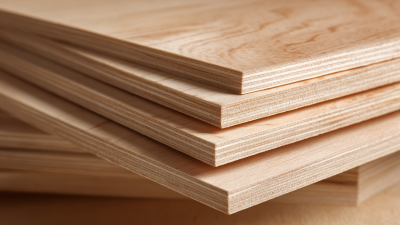
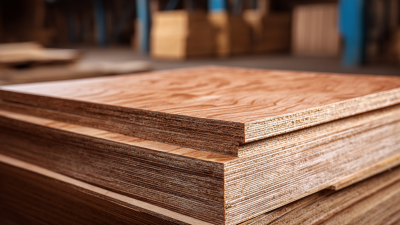
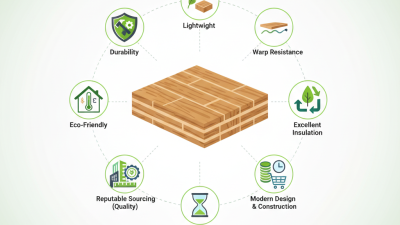
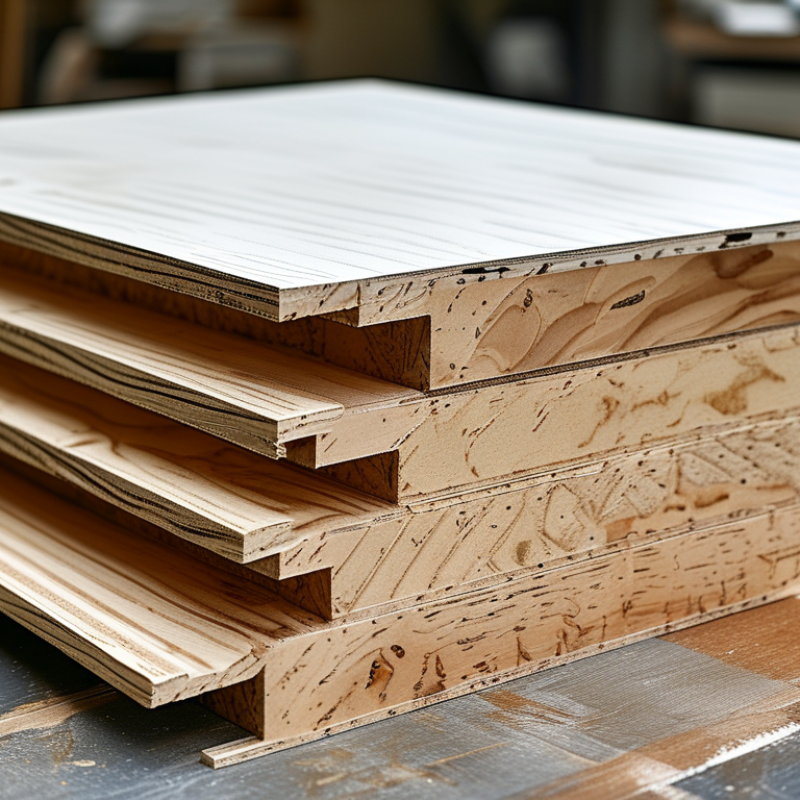
Understanding birch plywood is essential for any woodworking project. This material is known for its durability and excellent strength-to-weight ratio. Birch plywood is made from layers of birch veneer bonded together. This construction enhances stability and reduces the risk of warping.
One of the key benefits of birch plywood is its smooth surface. This makes it ideal for painting or veneering. Projects can achieve a polished look with minimal effort. Additionally, birch plywood is relatively easy to cut and shape, allowing for intricate designs. However, there can be inconsistencies in the quality of different sheets. Inspecting the plywood before purchase can help avoid surprises later on.
Another important feature is its eco-friendliness. Birch trees grow quickly, making them a sustainable option. Using birch plywood supports responsible forestry practices. However, not all plywood products follow these principles. It's crucial to research sourcing practices for environmentally sound choices. Ultimately, understanding these aspects will lead to better design outcomes and greater satisfaction in your projects.
Types of Birch Plywood: Choosing the Right Grade for Your Project
Birch plywood is known for its versatility and strength. When choosing the right grade, pay attention to its usage. Different grades suit different projects. For furniture, you might want a higher-grade option. A-B grade plywood is smooth, ideal for visible surfaces. C-D grade is more affordable and suitable for hidden areas.
Consider the panel's thickness too. Thicker panels provide greater stability, making them perfect for heavy-duty applications. Select a ¾-inch thickness for shelves or cabinets. Smaller projects may require thinner birch plywood for intricate designs. Think about the finish as well. Raw, sanded options allow for more customization.
Reflect on your project’s needs. It’s important to balance quality and cost. Some may opt for lower grades to save money, but this can lead to issues later. A small scratch on a visible surface may ruin the overall look. Choose wisely and think about durability and aesthetics. Every decision counts toward a successful project.
Birch Plywood Grading Comparison
Evaluating Thickness and Dimensions for Optimal Performance
When selecting birch plywood panels, evaluating thickness and dimensions is crucial for project success.
The thickness of plywood significantly impacts its strength and durability. For instance, standard thicknesses range from 1/8 inch to 1 inch, with 3/4 inch being widely regarded as the most versatile choice. According to a study by the Plywood Association, thicker panels provide greater resistance to bending and warping, which is vital for heavy-duty applications.
Dimensions also play a prominent role in performance. Birch plywood typically comes in sheets sized 4x8 feet, allowing for easier handling in many projects. However, specific projects may require customized dimensions to fit unique designs. Industry research suggests that using panels with optimal dimensions can reduce waste and improve cost-efficiency. Artists and craftsmen often report that standard sizes create limitations, necessitating the use of edges and trim that can impact the final appearance.
It is essential to reflect on how these factors affect your overall outcome.
Choosing the wrong thickness or dimension might lead to structural failures or aesthetic issues in your projects. Engaging with expert resources can guide you toward making informed decisions, ensuring that your chosen birch plywood panels meet both functional and visual standards for your work.
Finishes and Treatments: Enhancing Durability and Aesthetic Appeal
When considering birch plywood panels, finishes and treatments play a critical role. These elements significantly enhance both durability and aesthetic appeal. Studies indicate that properly finished plywood can last up to 50% longer than untreated wood. A high-quality finish seals the plywood, preventing moisture absorption. Moisture is a major factor in wood degradation, leading to warping or cracking.
Varnishes, oils, and modern sealants are common choices for treatments. They not only add a protective layer but also elevate the visual appeal. For instance, a satin varnish can highlight birch's natural grain, providing a beautiful finish. Reports show that over 70% of builders prefer finishes that emphasize the wood's natural features. However, achieving a flawless finish requires skill. Mistakes in application can result in blotchy surfaces that detract from the overall look.
Surface preparation is equally important. Sanding the raw plywood is essential for ensuring that the finish adheres properly. Experts recommend using fine-grit sandpaper to avoid scratches. Even small imperfections in the plywood can compromise the final look. Skipping this step often leads to disappointing results. Taking the time to prepare surfaces properly will yield a much more attractive finish. Working with birch plywood isn't just about function; it’s also about creating beauty through thoughtful finishing techniques.
Application Considerations: Best Uses for Birch Plywood Panels
Birch plywood panels are popular for various projects due to their strength and aesthetic appeal. Their fine grain and smooth surface make them an excellent choice for furniture, cabinetry, and decorative elements. According to industry studies, birch plywood boasts a bending strength of approximately 11,000 psi, which makes it suitable for structural applications.
Application considerations are crucial when choosing birch plywood. For instance, in the construction industry, it's often used in flooring and wall panels. However, using it in humid environments can lead to swelling and warping. For interior projects, birch plywood performs well because it is easier to finish and paint.
Despite its advantages, birch plywood can present challenges. Its cost can be higher than other woods, limiting choices for budget-conscious projects. Additionally, when working with birch, proper tools are necessary, as the density can dull blades quickly. Regular maintenance is also essential to maintain its appearance over time. Understanding these factors can help users maximize the benefits of birch plywood.