What is Film Faced Plywood and Its Uses in 2026?
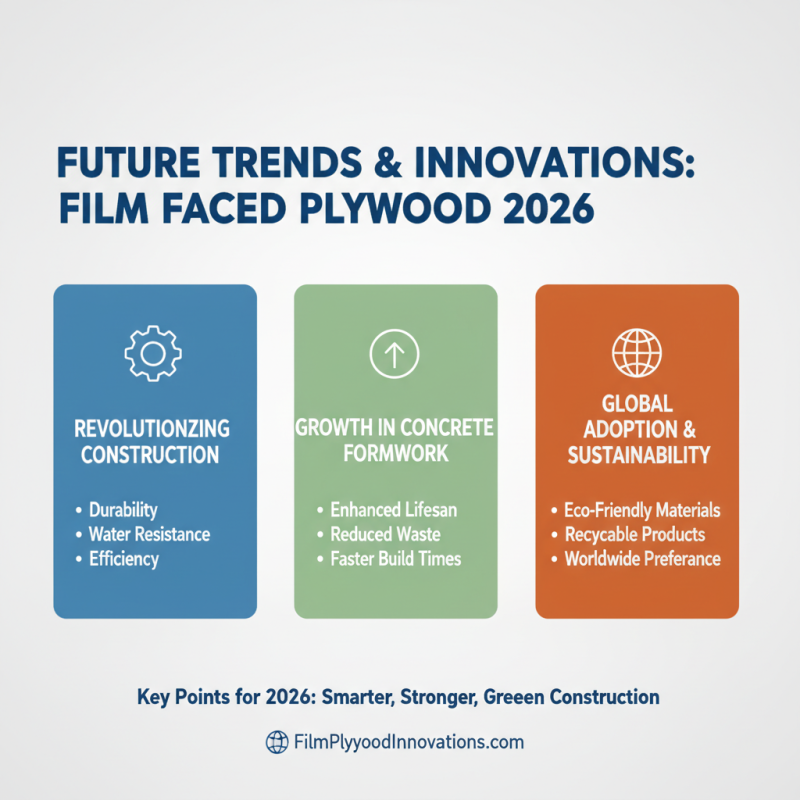
Film Faced Plywood is gaining traction in the construction industry. This material, known for its durability and moisture resistance, plays an essential role in modern building projects. A recent market report indicates that demand for Film Faced Plywood is expected to rise significantly by 2026, driven by urbanization trends and a growing focus on sustainable construction.
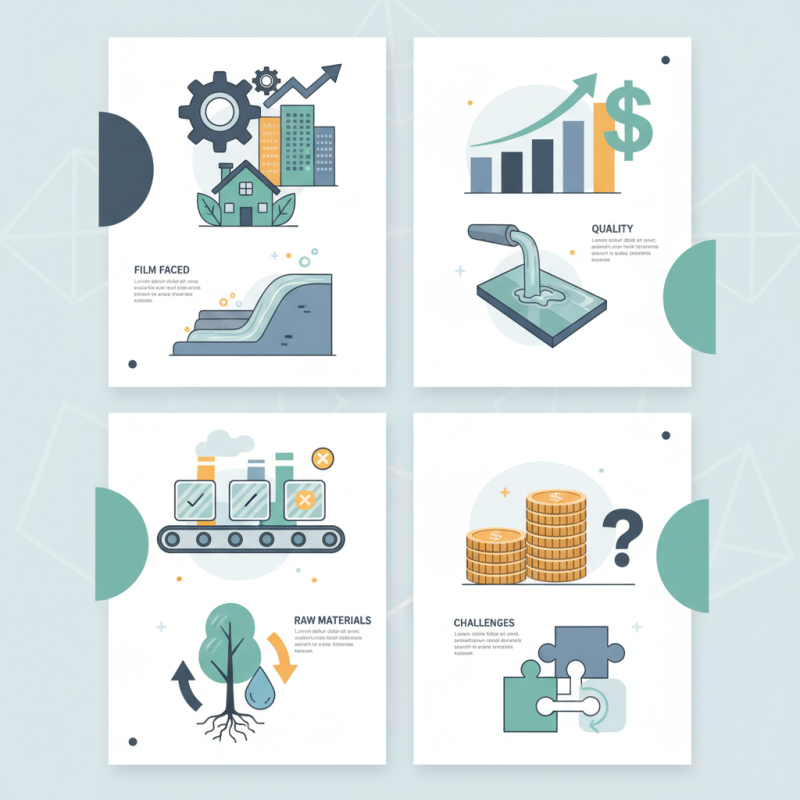
The unique combination of layers in Film Faced Plywood provides strength and longevity. It is commonly used for concrete formwork, offering a smooth surface finish. According to industry analysts, the global market for this product could reach $12 billion by 2026. However, the production process isn't without challenges. Quality control remains a vital concern, and inconsistencies can affect performance.
While the advantages are clear, some builders express concerns over pricing. The higher cost compared to conventional plywood can deter potential users. Additionally, the sustainability of raw materials raises questions. As the industry evolves, addressing these issues will be crucial for maximizing the potential of Film Faced Plywood in construction.
What is Film Faced Plywood?
Film Faced Plywood is a type of engineered wood product. It features a thin layer of film on its surface. This film adds durability and water resistance. Construction and furniture industries widely use it. Its smooth finish makes it suitable for various applications.
In 2026, the demand for Film Faced Plywood is likely to grow. Builders appreciate its strength and lightweight properties. It is often used in concrete formwork and flooring. The plywood’s resistance to moisture makes it a practical choice. However, not all Film Faced Plywood is created equally. Some products may not hold up well under pressure or humidity. It’s important to evaluate quality before purchasing.
Many people overlook the environmental impact of plywood production. Sourcing from sustainable forests can help mitigate this issue. Consumers should seek transparent practices from suppliers. Reflecting on these concerns can lead to better choices. Understanding the material's benefits and drawbacks is essential.
What is Film Faced Plywood and Its Uses in 2026?
Composition and Manufacturing Process of Film Faced Plywood
Film faced plywood is a versatile material used widely in construction and furniture making. The manufacturing process of this plywood involves several key steps. Initially, logs are sourced and debarked. This ensures that the surface is smooth and clean. Then, veneer sheets are peeled from the logs. These thin layers are crucial for creating the plywood's strong core.
After peeling, the veneers undergo drying. This step reduces moisture content, enhancing durability. Each veneer layer is then glued together. A special resin is used for this, ensuring a solid bond. Finally, the surface is coated with a phenolic film. This film makes the plywood water-resistant and abrasion-resistant. However, the application of this film can sometimes be uneven, leading to areas that may peel or wear out quicker than expected.
Despite its advantages, film faced plywood has some limitations. The production process can be energy-intensive, which raises environmental concerns. Moreover, incorrect handling during manufacturing can lead to defects. It's vital for manufacturers to continually assess their methods. Improvement is an ongoing necessity to enhance quality. The composition and manufacturing of film faced plywood play a critical role in its applications and long-term performance.
What is Film Faced Plywood and Its Uses in 2026?
| Dimension |
Material |
Use Case |
Manufacturing Process |
Durability |
| 1220 x 2440 mm |
Poplar |
Construction Formwork |
Cold Pressing |
5-10 Years |
| 1250 x 2500 mm |
Birch |
Scaffolding |
Hot Pressing |
7-12 Years |
| 1200 x 2400 mm |
Eucalyptus |
Interior Flooring |
Laminating |
8-15 Years |
| 1500 x 3000 mm |
Laminated Veneer Lumber |
Furniture Manufacturing |
Fusing |
10-20 Years |
Key Characteristics and Benefits of Film Faced Plywood
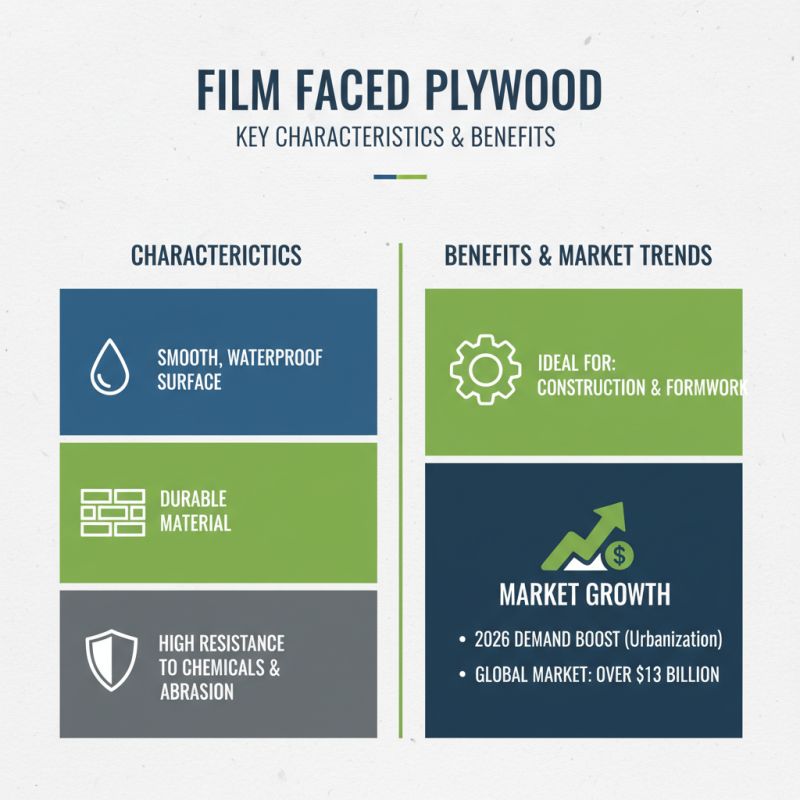
Film faced plywood is gaining popularity due to its unique characteristics. It features a smooth, waterproof surface. This makes it ideal for construction and formwork applications. In 2026, its demand is projected to grow significantly, driven by urbanization trends. Reports indicate that the global market for film faced plywood may reach over $13 billion.
One key benefit is its durability. It can withstand harsh weather conditions. This is crucial for outdoor projects. The plywood’s resistance to moisture prevents warping. As a result, it reduces the need for frequent replacements. This can save time and costs. However, not all film faced plywood maintains the same quality. It’s essential to evaluate different products carefully.
The aesthetic appeal is another advantage. The smooth finish allows for attractive designs. Many architects prefer using it for both interior and exterior elements. Yet, environmental concerns are rising. Some production methods may not be eco-friendly. This creates an inconsistency in sustainability claims. Manufacturers need to focus on improving their practices to meet growing green demands.
Common Applications of Film Faced Plywood in Construction
Film faced plywood is gaining momentum in construction. It offers durability and water resistance. In 2026, its applications will likely expand. Industry reports indicate a steady increase in its usage, particularly in formwork and scaffolding.
Common applications include construction sites. Builders utilize film faced plywood for creating concrete forms. It prevents water damage during the curing process. The material also boasts easy handling and quick assembly. This results in fewer delays on-site.
Tips: Choose plywood with a thickness of at least 18 mm for better strength. Ensure proper storage to maintain quality. Regularly inspect for wear.
Despite its benefits, there are challenges. Production can lead to waste and environmental concerns. Plywood needs proper disposal methods to minimize impact. The construction industry must reflect on sustainability practices. Embracing eco-friendly alternatives can help balance progress with responsibility.