Leave Your Message

Why Choose Wooden Floor Joists for Your Building Needs?

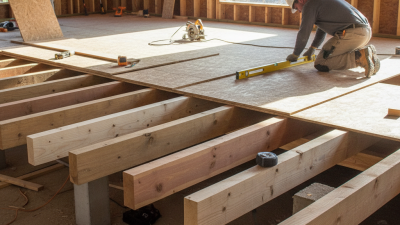
When constructing a building, choosing the right materials is crucial. Wooden floor joists are a popular option. They offer strength, stability, and aesthetic appeal. Many builders favor them for residential and commercial projects alike. The versatility of wooden floor joists allows them to adapt to various architectural styles.

Consider the environmental impact as well. Wooden floor joists can be more sustainable than alternatives like steel or concrete. They come from renewable sources, reducing carbon footprints. However, one must be mindful of the quality. Not all wood is the same, and improper treatment can lead to issues over time.

Investing in high-quality wooden floor joists is essential. They provide durability and add value to a property. While they might demand a higher initial cost, their long-term benefits often outweigh these expenses. Evaluating both the pros and cons ensures informed decision-making for any construction project.
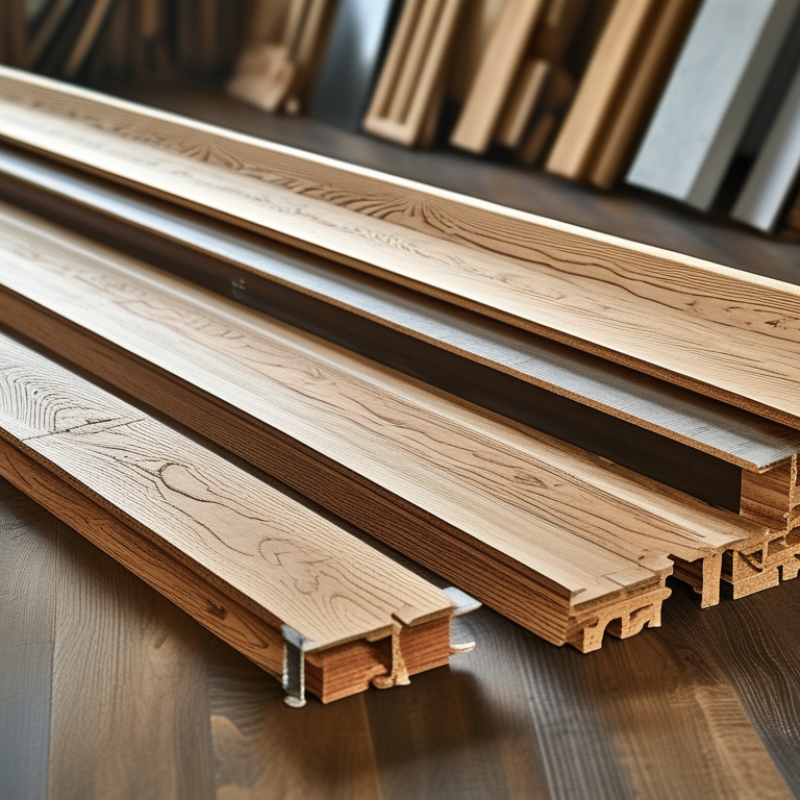
Why Choose Wooden Floor Joists for Your Building Needs?

Benefits of Using Wooden Floor Joists in Construction

Wooden floor joists are gaining popularity in construction due to their numerous advantages. One key benefit is their excellent strength-to-weight ratio. According to the American Wood Council, engineered wood products offer comparable performance to steel in various structural applications while being significantly lighter. This means easier handling and reduced transportation costs, which can lower overall project expenses.

Moreover, wooden joists contribute to better thermal insulation. Research from the Forest Products Laboratory indicates that wood has a natural insulating capacity. This leads to energy efficiency in buildings, reducing heating and cooling costs. An energy-efficient structure minimizes environmental impact, aligning with sustainable building practices favored in modern construction.

However, wooden joists must be installed correctly to avoid potential issues like moisture absorption. Improperly maintained wood can warp or rot, compromising structural integrity. It's essential to treat and maintain wooden joists adequately. This complexity highlights the need for skilled professionals in construction projects. Choosing wooden floor joists requires careful consideration and expertise to maximize their benefits.
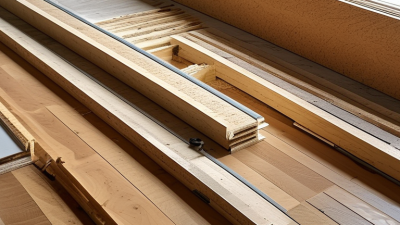
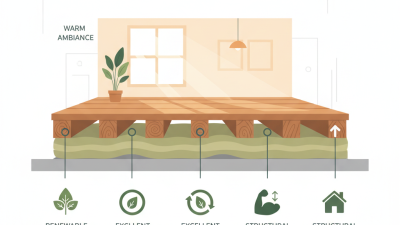
Comparison of Wooden Joists with Other Materials

When considering floor joists for your building, wood presents a unique set of advantages compared to other materials. Wooden joists are lighter and easier to handle than steel or concrete. This can save time during the construction process. Additionally, wood is highly versatile and can be adapted to various architectural designs easily.

However, wooden joists do have limitations. They are susceptible to moisture, which can lead to rot and structural issues over time. Unlike metal or concrete, wood requires regular maintenance to prevent these problems. Building in a humid area may not be ideal for wooden joists. Keep an eye on moisture levels and treat the wood accordingly.

To ensure the longevity of wooden joists, proper installation is crucial. This requires skilled labor to minimize potential problems. Regular inspections are important after installation. Checking for signs of wear or pest damage can save you from costly repairs later on. Choose the right type of wood based on your specific environment and load requirements. This decision impacts the overall durability of your structure significantly.

Environmental Impact of Wooden Floor Joists

The choice of wooden floor joists in construction has significant environmental implications. Wood is a renewable resource. When sourced responsibly, it reduces deforestation and supports sustainable forestry practices. This aspect leads to lower carbon emissions compared to using steel or concrete. Sustainable practices include proper forest management and reforestation efforts.

However, not all wood is created equal. The impact varies depending on how the timber is harvested. Unsustainable practices can result in habitat destruction and loss of biodiversity. It's crucial to opt for certified wood products to mitigate these risks. This guarantees that the wood comes from responsibly managed forests.

Moreover, wooden floor joists enhance energy efficiency. They provide excellent insulation, which reduces heating and cooling costs. This can lead to a lower carbon footprint for the building. Yet, one must consider maintenance. Over time, wood may require treatments to combat pests or moisture. Balancing these factors is essential for an eco-friendly building strategy, ensuring that the benefits of wood are fully realized.

Installation and Maintenance Considerations for Wooden Joists

Wooden floor joists are a popular choice for many building projects due to their natural strength and aesthetic appeal. When considering installation, proper alignment is crucial. According to a 2021 report from the American Wood Council, misaligned joists can lead to structural issues, which may require costly repairs. Ensuring that joists are spaced correctly—typically 16 or 24 inches apart—will help distribute weight evenly and enhance stability.

Maintenance of wooden joists often involves checking for moisture damage. A survey by the National Association of Home Builders indicates that over 40% of structural failures stem from inadequate moisture control. Regular inspections can help identify mold or rot before they escalate. While wooden joists can last for decades, they require a commitment to upkeep. Replacing sections as needed can prevent larger repairs down the road.

Timely maintenance is essential for longevity. Look for signs of wear such as sagging or creaking. Keeping the environment dry can mitigate damage. Consider using moisture-resistant coatings for added protection. A proactive approach can preserve the beauty and integrity of wooden joists for years. Even though wooden joists may require more attention than steel alternatives, their warmth and versatility often outweigh the challenges.

Cost Analysis: Wooden Joists vs. Alternative Solutions

Wooden floor joists have gained popularity for many building projects. When analyzing costs, it's important to compare wooden joists with alternative options, such as steel or concrete. While wooden joists often have a lower initial cost, other factors need consideration.

For example, wooden joists can be easier and quicker to install. This reduces labor costs significantly. In contrast, steel requires specialized labor. However, wood can be vulnerable to moisture and pests, which may lead to future repair expenses. These potential issues should be factored into the overall cost analysis.

Additionally, wooden joists are lighter than alternatives, making transportation and handling simpler. On the other hand, they may not provide the same long-term durability as steel or concrete structures. Building owners may appreciate the aesthetic appeal of wood but should evaluate whether it meets their specific needs. A thorough analysis of both immediate and long-term costs will ensure informed decisions in choosing the right materials for any project.

Why Choose Wooden Floor Joists for Your Building Needs? - Cost Analysis: Wooden Joists vs. Alternative Solutions

Material Type Initial Cost (per 1000 sq ft) Lifespan (Years) Maintenance Cost (Annual) Sustainability Rating
Wooden Joists $1500 50 $100 A+
Steel Joists $2500 70 $300 B
Concrete Joists $1800 60 $400 C
Aluminum Joists $2300 50 $250 B+