How to Choose Timber Joists for Your Flooring Needs?
Choosing the right timber joists for your flooring needs is crucial. Timber joists floor provide strength and support. Their durability contributes to the overall stability of your flooring system. It's important to select the correct type to ensure longevity.
When considering timber joists, factors like wood species, size, and moisture content come into play. Different wood species offer varying benefits and drawbacks. For example, some may be prone to warping. It's necessary to weigh these factors carefully.
Even experienced builders can struggle with selection. The process requires knowledge and a keen eye. You might question if the choice impacts the aesthetic feel of your space. Ultimately, the right timber joists floor can elevate your home. However, overlooking details can lead to costly mistakes. Assessing your needs and doing research is essential for a successful outcome.
Understanding Timber Joists: Types and Characteristics
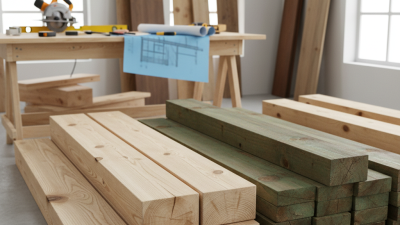
Timber joists are essential components in flooring systems. Understanding the types and characteristics of timber joists can significantly impact your construction choices. There are several types of timber joists, including solid timber, engineered wood, and I-joists. Each type serves different purposes based on load-bearing capacity and environmental factors.
Solid timber joists are often made from traditional hardwood or softwood. They offer great strength but can be prone to warping over time. Engineered wood joists, like LVL (Laminated Veneer Lumber), deliver uniform strength and are less susceptible to moisture. According to the APA – The Engineered Wood Association, engineered joists can bear up to 20% more load than traditional solid timber joists. This makes them a popular choice in modern construction.
I-joists, featuring an I-shaped cross-section, are lightweight yet strong. They allow for longer spans between supports, reducing the need for additional materials. However, the reliance on engineered products sometimes raises concerns about sourcing sustainability. A study from the Forest Products Laboratory highlights that using certified timber sources can mitigate these issues. While choosing timber joists, considering both performance and sustainability is crucial for long-term satisfaction.
Assessing the Load-Bearing Capacity of Timber Joists
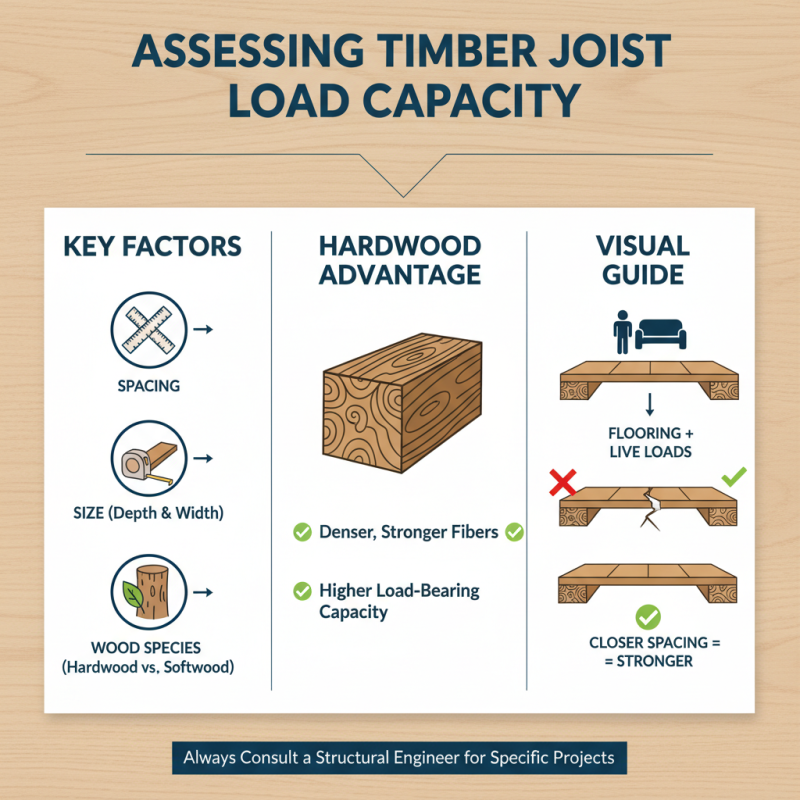
When choosing timber joists, assessing their load-bearing capacity is crucial. Each joist needs to support the flooring and any additional weight. Factors like spacing, size, and species of wood influence the strength. For instance, a well-dried hardwood usually bears more load than softwood.
Consider the spans between supports. Longer spans require stronger joists. If there's a heavy load, such as a bathtub, adjust your joist choice accordingly. Improper choice can lead to sagging or even failure. Consult engineering tables for guidance on load capacities.
Remember that not all timber is the same. Some may have knots or defects that weaken them. It's essential to inspect each joist for quality. Using a combination of reliable sources and expert advice ensures you make informed decisions. Always double-check your calculations. Ensuring the right load-bearing capacity protects your investment in the long run.
Choosing the Right Grade and Treatment for Timber Joists
When selecting timber joists, the grade and treatment are crucial factors. Different grades indicate the strength and stability of the timber. Higher grades are more resilient but often come at a higher cost. For flooring, structural integrity matters most. It's wise to choose a grade that suits the load it will bear and the environment it’s in.
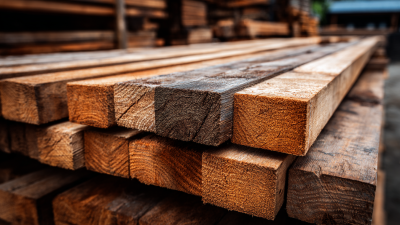
Treatment is equally important. Untreated timber can be vulnerable to moisture, pests, and decay. Pressure-treated wood is commonly recommended for durability, especially in damp areas. However, not all treatments are equal. Some may release harmful chemicals. It's essential to balance safety and longevity. Evaluate the specific conditions of your project before making a choice.
One common oversight is neglecting local climate conditions. Even the best timber can fail if it's not suited to its environment. Additionally, overestimating the strength of a lower grade can lead to costly repairs. Therefore, consulting experts or experienced builders can provide valuable insights. Don't rush this decision; it impacts the outcome of your flooring project.
Calculating the Ideal Spacing for Timber Joists in Flooring
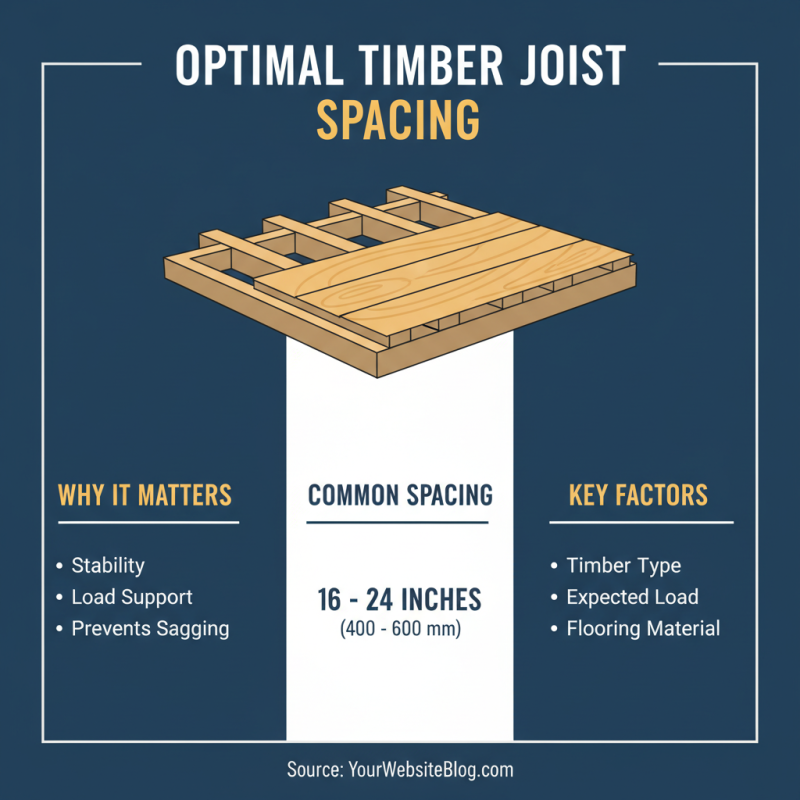
Choosing the right spacing for timber joists is crucial for flooring stability. Proper joist spacing can support heavy loads and prevent floor sagging. Typically, joists are spaced 16 to 24 inches apart. However, factors like the type of timber and expected load must also be considered.
When calculating the spacing, consider the flooring material. Heavier materials may require closer joist spacing. An example is hardwood flooring, which benefits from 16-inch spacing for added support. In contrast, lighter materials can safely use 24-inch spacing. Remember, overspacing can lead to floor bounce.
It’s also important to check local building codes. These regulations specify minimum requirements for joist spacing. Not following these codes can lead to structural issues down the line. Some might think their project doesn’t need this step, but overlooking it can lead to costly repairs. Balancing aesthetics and functionality is vital. Make sure to evaluate the needs before finalizing your decision.
Best Practices for Installing Timber Joists in Flooring Projects
Installing timber joists requires careful consideration. First, choose the right type of wood. Softwoods are light but not as strong, while hardwoods are denser and more durable. Consult a local expert on the best options for your climate. Make sure the joists have no visible defects. Look for knots, splits, or warping that could affect strength.
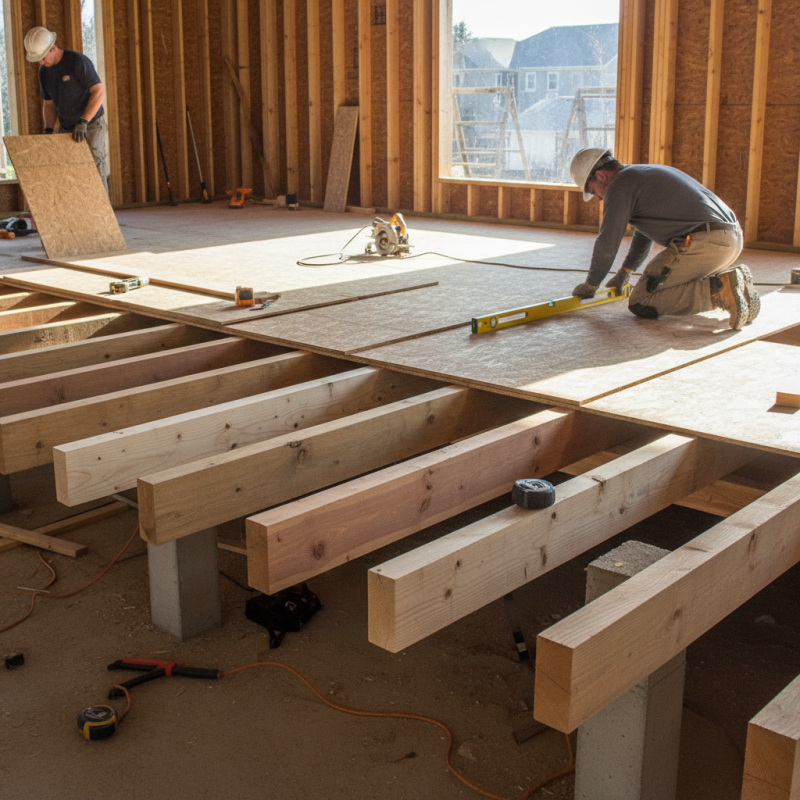
Preparation is key to successful installation. Ensure the foundation is level before placing the joists. Use a spirit level to check, making adjustments where necessary. When spacing your joists, follow guidelines based on the flooring type. Incorrect spacing can lead to sagging over time.
During installation, secure the joists properly. Use suitable fasteners to prevent movement. Consider using joist hangers for added support. While this may seem straightforward, mistakes can happen. Always double-check your work. Aim for precision, as small errors can lead to bigger issues later. Remember, it’s better to take your time and do it right than to rush and regret later.
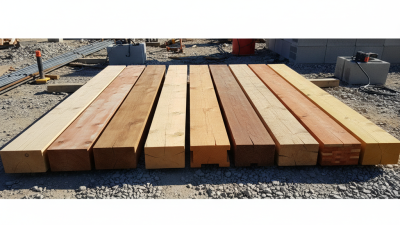
Comparison of Timber Joist Sizes for Flooring Projects