How to Choose the Right Structural Wood Panel for Your Project?
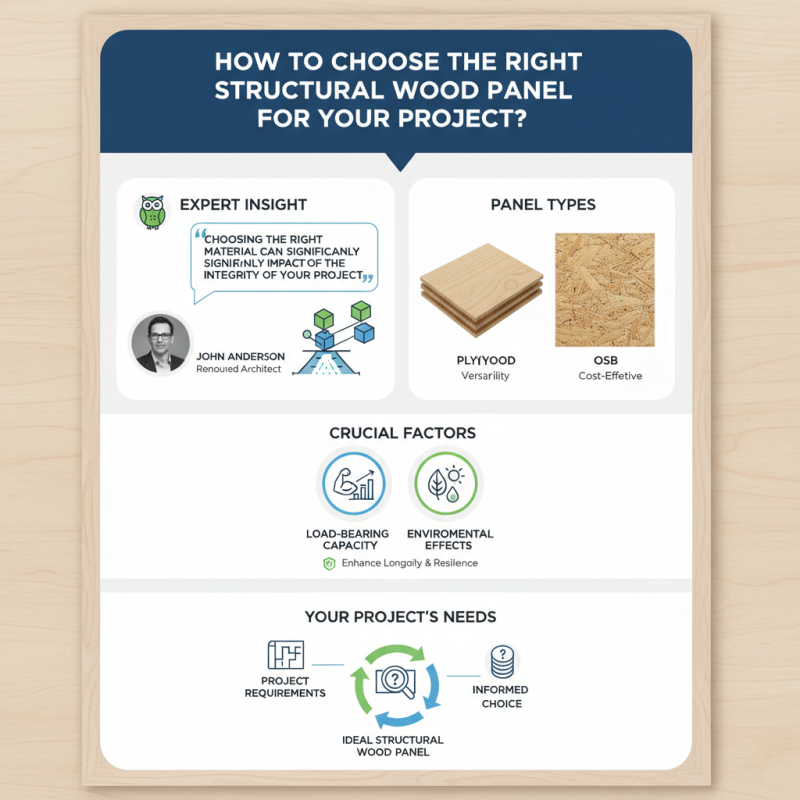
When embarking on a construction project, selecting the right structural wood panel is crucial. Expert John Anderson, a renowned architect in sustainable design, once said, “Choosing the right material can significantly impact the integrity of your project.” Structural wood panels serve as the backbone of many structures, providing strength and stability.
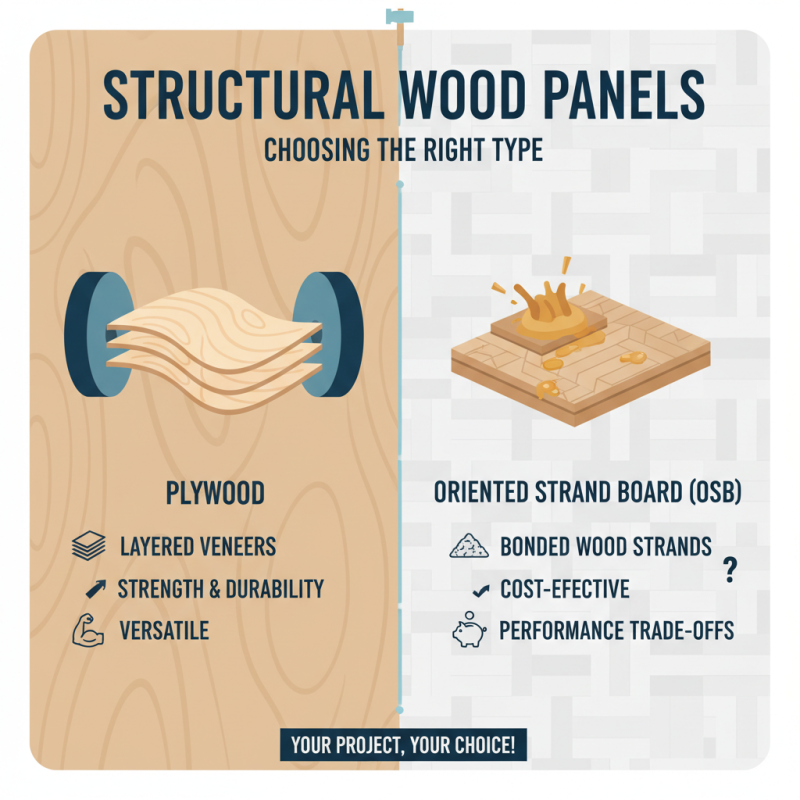
Each type of structural wood panel varies in performance and application. For instance, plywood offers versatility, while oriented strand board (OSB) is often more cost-effective. However, choosing the most suitable panel is not always straightforward. Misjudging the specific needs of your project may lead to unforeseen issues.
It's essential to consider factors such as load-bearing capacity and environmental effects. An informed choice can enhance longevity and resilience. Yet, many overlook these details and face challenges down the line. Reflecting on your project's requirements will guide you toward the ideal structural wood panel.
Understanding Different Types of Structural Wood Panels
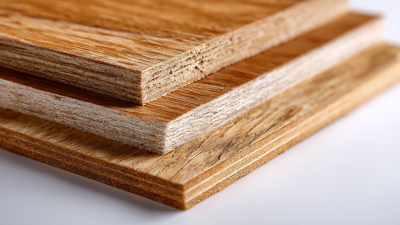
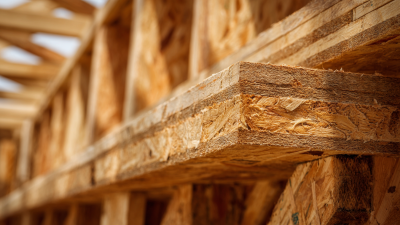
When choosing structural wood panels, understanding the types available is crucial. Plywood is popular for its versatility. It's made by layering thin sheets of wood veneer. This method offers strength and durability. Meanwhile, oriented strand board (OSB) consists of wood strands bonded together. It is cost-effective but may lack the same performance as plywood.
Another option is particle board, which is made from wood chips. While it's lighter and cheaper, it may not hold up in high-stress situations. Consider the project requirements carefully. Different types serve different functions. You may find yourself reconsidering a choice after seeing how each performs in real scenarios.
For exterior applications, weather resistance matters. Plywood options like marine-grade can be beneficial, but they often come at a premium. Reflecting on your priorities helps avoid pitfalls. Each panel type has both pros and cons. Balancing cost with quality is essential. It’s not always straightforward, and sometimes you’ll need to reassess your needs as the project evolves.
Evaluating Performance Characteristics for Your Project Needs
When evaluating the performance characteristics of structural wood panels, it’s essential to understand your project requirements. Different types of panels, such as plywood and oriented strand board (OSB), have unique attributes. Plywood is often favored for its strength and resistance to warping. OSB, on the other hand, offers cost-effectiveness and is environmentally friendly. The choice depends on factors like load-bearing capacity and moisture resistance.
Consider the specific conditions your panel will face. Will it be exposed to high humidity or loads? You might need stronger, treated products in those cases. Testing different panels under your anticipated conditions can help reveal strengths and weaknesses. Ensure you’re not just fixating on cost. Sometimes, investing a little more now can save you from failures later.
Reflect on the aesthetic aspect as well. Not all panels are meant to be covered. Some projects require visible wood finishes. In that case, choose materials that not only meet structural requirements but also look appealing. Balancing functionality and appearance can be tricky. Don’t overlook this detail, as it can define your project’s success.
How to Choose the Right Structural Wood Panel for Your Project?
| Panel Type |
Thickness (inches) |
Weight (lbs/sheet) |
Bending Strength (psi) |
Shear Strength (psi) |
Cost ($/sheet) |
| Plywood |
0.5 |
50 |
1,200 |
300 |
30 |
| OSB (Oriented Strand Board) |
0.5 |
45 |
1,000 |
200 |
25 |
| Particle Board |
0.75 |
70 |
600 |
150 |
20 |
| MDF (Medium Density Fiberboard) |
0.75 |
80 |
800 |
100 |
22 |
| Laminated Veneer Lumber (LVL) |
1.0 |
100 |
2,000 |
500 |
45 |
Assessing Cost and Availability of Structural Wood Panels
When selecting structural wood panels for your project, cost and availability are crucial factors. Before starting, check your local suppliers. Each region may offer different types of panels at varying prices. This discrepancy can affect your overall budget. Scarcity may also lead to increased costs, especially during peak building seasons.
Tip: Explore eco-friendly materials. They might seem expensive initially. However, they can offer cost savings in sustainability programs. These panels often have a lower environmental impact too. You may feel uncertain about which materials to choose. This hesitation is normal but can lead to important insights.
Another thing to consider is the shipping costs. Some wood panels are heavy and bulky. This can affect your budget more than you expect. Look into suppliers that offer better shipping rates or local pickup options. Sometimes, navigating these details can seem overwhelming, but it can lead to more informed decisions in the long run.
Considering Environmental Factors in Panel Selection
When selecting a structural wood panel, environmental factors play a crucial role. Each choice has its impact. Consideration of source, sustainability, and local conditions is essential. Are the woods sourced from responsibly managed forests? What about carbon footprints? These questions will guide you.
Local climate can also affect your choice. For instance, panels exposed to moisture need specific treatments. Will the panel warp or decay? It's important to think about durability. Suboptimal choices can lead to unforeseen expenses and failures. Often, we overlook these aspects, focusing purely on cost or aesthetics.
Moreover, the manufacturing process can leave a significant environmental mark. What adhesives are used? Formaldehyde emissions might linger. Always ask for details. The more informed you are, the better your selections. This approach fosters responsibility and ensures a lasting, eco-friendly impact on your project.
Reviewing Installation and Maintenance Requirements for Wood Panels
When choosing structural wood panels, understanding installation and maintenance is vital. Each type of wood panel has its own specific requirements. Proper installation ensures durability and performance. Some panels require careful fitting, while others are more forgiving.
Tips: Always measure accurately before cutting. Use quality fasteners to reduce potential issues later.
Regular maintenance helps prolong the life of your wood panels. Keep them clean and dry to prevent warping or decay. Inspect panels for signs of damage. Address issues promptly to avoid costly repairs.
Tips: Seal wood panels regularly with the right products. Consider environmental factors like humidity. These details can make a big difference.
Structural Wood Panels Comparison
This chart compares the durability ratings of different types of structural wood panels, including Plywood, OSB, Particle Board, and MDF. Durability ratings can significantly influence the choice of material based on the project's requirements.