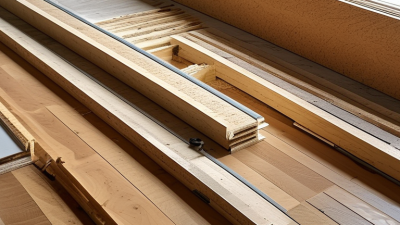
Why Choose Slotted Plywood for Your Next Project?
When it comes to construction and design, material choice can make a significant impact. Slotted plywood is increasingly gaining attention for various projects. Its unique design offers flexibility and strength that traditional plywood may not provide. In modern construction, efficiency and adaptability are crucial.
Many professionals have found that slotted plywood simplifies installation, saving valuable time. The slots allow easy assembly, leading to a more streamlined process. For example, builders can quickly create partitions or shelving units. This versatile material fits both residential and commercial applications.
However, some may question its durability compared to standard plywood. While slotted plywood is strong, it requires careful handling during transport and installation. Improper use can lead to issues down the line. This highlights the need for proper knowledge when working with it. Ultimately, slotted plywood represents a blend of practicality and innovation, offering numerous possibilities for your next project.
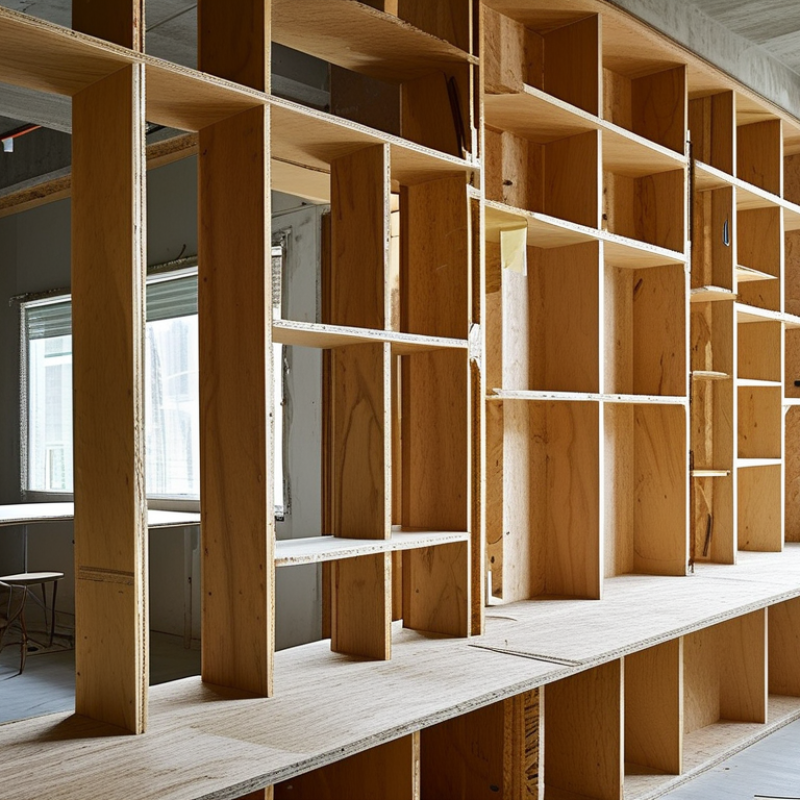
Understanding Slotted Plywood: Composition and Manufacturing Process
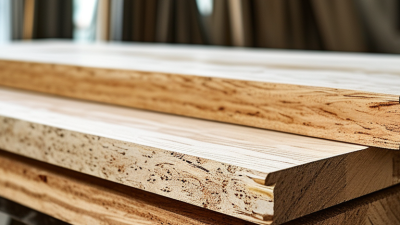
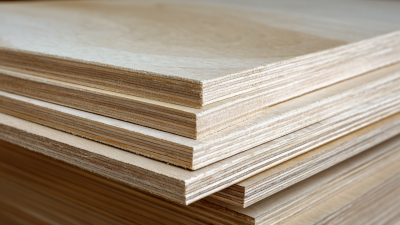
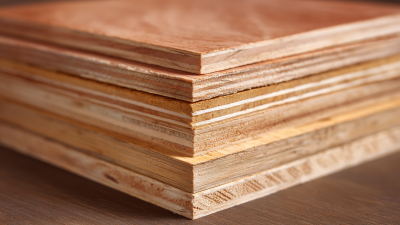
Slotted plywood is gaining popularity in various construction and design projects. Understanding its composition and manufacturing process is key to appreciating its advantages. Slotted plywood consists of layers of thin veneer sheets, bonded with strong adhesives. The slotted design creates openings that provide flexibility and reduce weight. Many builders prefer this option for both structural and aesthetic reasons.
The manufacturing process involves precise cutting and preparation of wood sheets. These sheets undergo treatment to enhance durability and resistance to moisture. According to a report by the American Plywood Association, slotted plywood can reduce material waste by up to 20%, making it an eco-friendly choice. Its lightweight design does not compromise strength, which shows its potential for reliable performance in construction.
However, there are challenges to consider. The precision in manufacturing is crucial. Any deviation can lead to inconsistencies, potentially affecting the overall stability of the final product. Proper storage and handling during transportation are essential to prevent warping or damage. Awareness of these factors can lead to more informed project decisions and better outcomes.
Key Benefits of Slotted Plywood in Construction and Design
Slotted plywood offers unique advantages for construction and design. Its key benefits include versatility, strength, and lightweight properties. This material is specially designed with slots that enhance its usability in various projects. The slotted feature allows for easy handling and installation, making it ideal for both DIY enthusiasts and professionals.
Using slotted plywood can reduce the overall weight of your build. This is particularly useful in projects where minimizing weight is crucial. Lightweight materials are easier to transport and install. Additionally, the slots provide flexibility for modifications, letting you create custom designs without complex tools.
When working with slotted plywood, consider your project's specific needs. The slots allow for better ventilation and drainage. This makes it a smart choice for outdoor structures. Ensure the plywood is properly treated to withstand moisture and pests. Mistakes can happen during installation, so double-check your measurements and cuts. A well-prepared approach leads to successful implementation and longer-lasting results.
Comparative Analysis: Slotted Plywood vs. Traditional Plywood Options
When evaluating plywood options, slotted plywood stands out for several reasons. Unlike traditional plywood, slotted plywood features pre-cut grooves. These grooves allow for easy assembly and greater flexibility in design. Builders often find this feature advantageous for creating custom shapes and intricate designs.
Traditional plywood, while sturdy, lacks this adaptability. It typically requires additional tools and fasteners for installation. This can lead to increased labor and time costs. Often, it is less forgiving when mistakes occur. A small error can ruin an entire sheet, forcing costly replacements. In contrast, slotted plywood’s design helps mitigate such setbacks. Its slots facilitate adjustments without major disruptions.
Moreover, slotted plywood can enhance airflow and lighting in various applications. Its unique structure can benefit projects such as furniture or display fixtures. However, it may not be suitable for every application. Users should consider strength versus design requirements. Reflecting on these factors ensures the best choice for specific needs.
Industry Applications: Where Slotted Plywood Shines in Real-world Use
Slotted plywood has gained popularity in various industries due to its versatility and efficiency. In construction, it offers unique benefits. It allows for quicker assembly and disassembly. This adaptability is crucial when projects require frequent changes. Many builders appreciate the lightweight nature of slotted plywood, which enables easier handling. The slots reduce the material's overall weight while maintaining strength.
In retail environments, slotted plywood serves as an effective display solution. Its customizable design allows businesses to showcase products attractively. Retailers can adjust shelving and display angles quickly. This feature is vital for seasonal promotions or product launches. Additionally, the plywood’s natural aesthetics provide a warm, inviting look. Check the weight capacity before installation to ensure safety.
In manufacturing, slotted plywood is useful for creating workstations. It can be tailored for specific tools and equipment. This customization enhances efficiency and workflow. Employees can access everything they need in one spot. However, every design requires review and potential adjustments. Gather feedback from team members to improve the workstation continually.
Eco-Friendly Aspects of Slotted Plywood: Sustainability in Building Materials
Slotted plywood has gained attention for its eco-friendly properties. This material is often made from sustainable wood sources, which is crucial in today's environmentally conscious world. According to the Forest Stewardship Council (FSC), sustainably sourced wood can help reduce deforestation and promote responsible forestry practices. This means that choosing slotted plywood contributes to a more sustainable cycle in the building materials industry.
The production of slotted plywood typically involves less waste compared to traditional plywood. Reports suggest that almost 20% of wood is wasted during production. However, slotted plywood's design maximizes material use. Furthermore, the adhesives used in manufacturing often comply with strict environmental standards. This adherence minimizes harmful emissions, significantly impacting indoor air quality, especially for projects requiring low VOC (volatile organic compounds) materials.
While slotted plywood is a strong choice for sustainability, there are considerations to reflect upon. Not all suppliers follow the same environmental practices. Variability in manufacturing processes can affect overall sustainability. Consumers must research and choose reputable suppliers who prioritize eco-friendly methods. By doing so, consumers can ensure they make informed decisions that align with sustainability goals.