Essential Tips for Sourcing High Quality Plank Plywood
When sourcing high-quality Plank Plywood, understanding industry insights is crucial. According to John Mitchell, a renowned expert in wood sourcing, "The secret to great plywood is in the details." This statement highlights the importance of meticulous attention to quality.
Plank Plywood serves as a versatile material in various constructions. From furniture to flooring, its applications are extensive. However, not all suppliers meet the necessary quality standards. It is essential to assess the reliability of your sources. Quality checks can prevent future issues, such as warping and splintering.
Choosing the right supplier also impacts project outcomes. Expert advice can guide decision-making. For instance, John Mitchell emphasizes, "Look beyond the price; quality should be your top priority." This reflects the need for thoughtful consideration. It's easy to overlook quality for affordability, but this can lead to regret later. Striking a balance is key in sourcing Plank Plywood effectively.
Understanding Plank Plywood: Characteristics and Quality Indicators
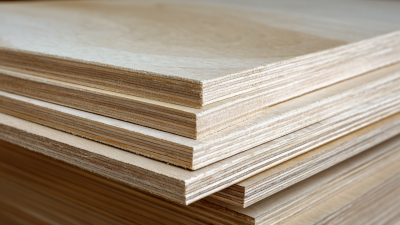
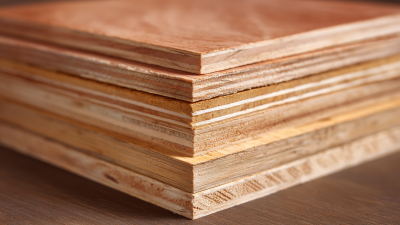
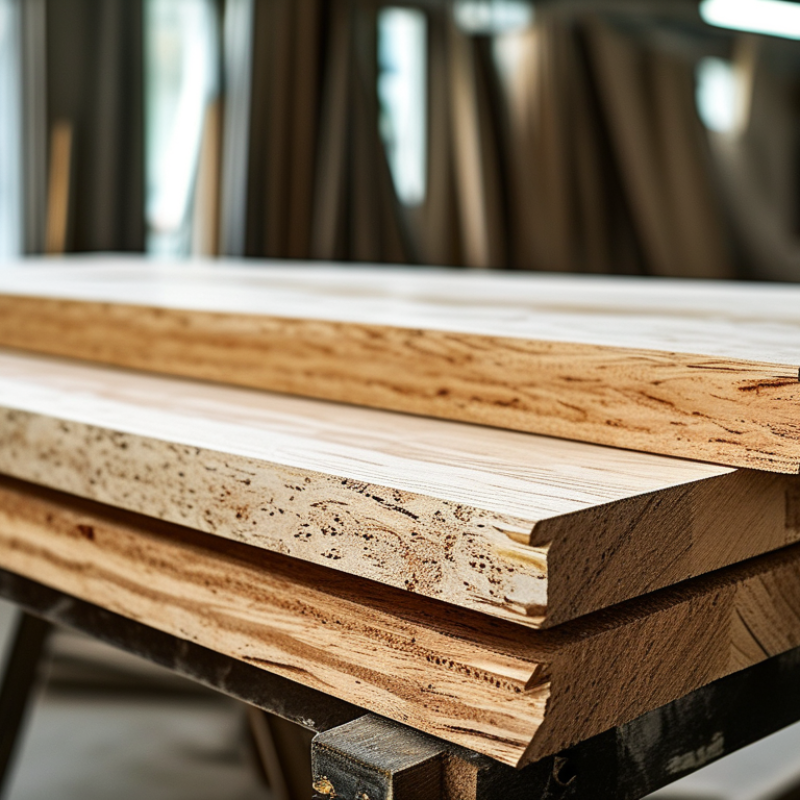
Plank plywood is a versatile material known for its durability. Understanding its characteristics is essential. Plank plywood typically features a multi-layered structure. Each layer, or veneer, contributes to the overall strength. High-quality plywood often has a uniform texture and thickness. Checking the surface for imperfections can help in assessing quality.
Quality indicators include the types of wood used. Hardwoods are often more durable than softwoods. Moreover, a good-grade plywood should have minimal voids. Voids can weaken the plywood and lead to structural issues. Additionally, the glue used in laminating layers matters. Superior adhesives resist moisture and maintain integrity over time.
While sourcing, consider the manufacturing process. Not all producers use the same techniques. Some may overlook quality control, leading to variability in products. Look for certifications that indicate adherence to quality standards. Trustworthy suppliers will often share information about their practices. This transparency builds confidence in your choice of materials.
Identifying Reliable Suppliers for High-Quality Plank Plywood
When sourcing high-quality plank plywood, identifying reliable suppliers is crucial. Start by researching local and online suppliers. Look for reviews and testimonials from other customers. Quality plywood should have consistent thickness and smooth surfaces. Check if the supplier provides certifications to verify product quality.
Don’t hesitate to ask potential suppliers about their sourcing practices. Transparency is key. A reliable supplier will be open about where their wood comes from and how it is processed. Ask about the types of wood used. Different woods can meet specific project needs better than others. Some suppliers may offer samples, which is an excellent way to assess quality firsthand.
Evaluate their customer service as well. Responsive communication often signals a trustworthy supplier. Be wary of overly cheap options; they can lead to disappointment. Quality comes at a price, and inconsistencies might arise if you focus solely on cost. Take your time and choose a supplier that aligns with your standards and values.
Evaluating Plywood Grades and Standards for Best Selection
When selecting high-quality plank plywood, understanding grades and standards is crucial. Plywood grades reflect its quality, which influences durability and appearance. Higher grades have fewer defects and better aesthetics. For example, an "A" grade offers a smooth, clear surface, while "C" grade may feature knots and patches. This knowledge can significantly impact your project outcomes.
Consider the standards enforced in your region. Different countries may have various guidelines, affecting plywood’s performance and safety. Familiarize yourself with local regulations. They can provide insight into the material's integrity and usage suitability. It’s vital to review certifications and test results from manufacturers. This helps ensure you’re making informed decisions.
Experience also plays a role in selecting plywood. Observe your past projects. Did you choose the right grade? Perhaps the defects showed later on. Reflect on these experiences to refine your sourcing process. A meticulous approach can lead to better choices and successful results in your woodworking ventures.
Essential Tips for Sourcing High Quality Plank Plywood
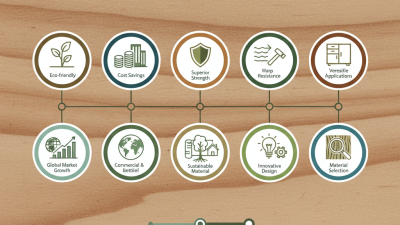
This chart illustrates the quality ratings of different plywood grades, which are essential for sourcing high-quality plank plywood. Evaluating these grades helps in making informed decisions during selection.
Techniques for Inspecting Plywood for Defects and Performance
When sourcing high-quality plank plywood, inspecting it for defects is crucial. Look closely for imperfections like cracks, knots, and warping. Even small flaws can affect the strength and appearance of your final product. Use a bright light to check for subtle inconsistencies that may not be visible in poor lighting. If you see any unusual markings, it’s often best to pass on that sheet.
Another important step is to assess the plywood’s performance. Tap different areas of the sheet; a dull sound may indicate voids or inconsistencies within. Testing the flexibility is also essential. Bend a small piece to gauge its stiffness. High-quality plywood should have a decent level of resilience. Don’t hesitate to seek professional advice if unsure. Sometimes, it’s about trusting your instincts and experience, even if that means questioning the supplier’s claims.
Cost Considerations: Balancing Quality and Budget in Plywood Sourcing
When sourcing plank plywood, balancing quality and cost is crucial. Industry reports indicate that high-quality plywood can make up 40-50% of a project’s budget. This makes it essential to evaluate product durability against price. Quality materials enhance the overall integrity of the structure, reducing future repair costs.
Yet, cheaper options may tempt buyers. Low-cost plywood often lacks necessary certifications. A study by the Wood Products Council found that subpar materials can lead to a decline in project longevity. Identifying trustworthy suppliers is vital. Seek those who adhere to industry standards, even if their prices are higher.
It’s also important to consider the long-term implications of your choices. Investing in quality plywood might seem costly upfront. However, it often results in savings due to lower maintenance and replacement costs. Project managers often overlook this aspect while budgeting. Therefore, it’s crucial to think ahead and weigh short-term savings against long-term value.