How to Choose the Right OSB Structural Beams for Your Project?
Choosing the right OSB structural beams is crucial for any construction project. According to John Smith, a leading expert in engineered wood products, “The quality of OSB beams can significantly impact the structural integrity of your building.” His insights reflect the vital role these materials play in modern construction.
When selecting OSB structural beams, consider their load-bearing capacity and environmental factors. Many contractors overlook moisture exposure, which can weaken the beams. It is essential to choose beams certified for durability and strength. Not all OSB is created equal; some may not hold up well under specific conditions.
Finding the right fit requires expertise. Builders must balance cost and quality. Sometimes, cheaper options lead to higher long-term costs. Ensure that the beams meet industry standards for safety. This is where the experience of professionals can guide better decisions. Always prioritize reliable suppliers who provide clear product information. Doing so minimizes risks and enhances project outcomes.
Understanding OSB: Definition, Composition, and Characteristics
Oriented Strand Board, or OSB, is a popular choice in construction today. It is made from strands of wood that are oriented and bonded together with resin. This process creates a strong, versatile product. OSB has a high strength-to-weight ratio, making it ideal for structural applications. Builders appreciate its reliability and cost-effectiveness.
The characteristics of OSB are notable. It resists warping and splitting better than traditional plywood. However, some may question its long-term durability in exposed conditions. While OSB performs well in dry environments, moisture can compromise its integrity. It's vital to consider the installation area carefully. Proper sealing and protective measures should be employed.
Understanding OSB helps in making informed choices for your project. Assessing terrain and climate can influence your decision. While OSB is generally dependable, there can be moments that challenge its performance. For example, fluctuating temperatures may cause expansion or contraction. Evaluating these factors can lead to the best results in construction.
How to Choose the Right OSB Structural Beams for Your Project?
| Beam Type |
Thickness (inches) |
Width (inches) |
Length (feet) |
Load Capacity (lbs) |
Moisture Resistance |
Applications |
| Standard OSB |
0.5 |
4 |
10 |
3000 |
Low |
Flooring, Wall Sheathing |
| Moisture-Resistant OSB |
0.75 |
8 |
12 |
4000 |
High |
Roof Sheathing, Outdoor Structures |
| Structural OSB |
1.0 |
6 |
16 |
8000 |
Medium |
Industrial Applications, Heavy Loads |
| Fire-Rated OSB |
0.5 |
4 |
10 |
2800 |
Low |
Commercial Buildings, Fire Safety Structures |
Key Factors in Selecting OSB Structural Beams for Construction Projects
When selecting OSB structural beams for your construction project, several key factors should be considered to ensure safety and durability. One critical aspect is the load-bearing capacity of the beams. Different projects have varying weight requirements. Accurately calculating these weights is essential. It's important to read all specifications carefully.
Another factor is moisture resistance. OSB beams can be affected by humidity in the environment. In areas with high moisture, choosing beams treated for water resistance is crucial. This can help prevent warping and decay over time, ultimately enhancing the structure's longevity.
Tip: Always inspect the beams for any visible defects. A small crack might lead to bigger problems later. It's wise to seek advice from a structural engineer if you're unsure about the loading requirements.
Environmental conditions can impact your choice, too. Consider the climate in which the structure will stand. If storms are frequent, select beams that can withstand high winds. In colder climates, insulation might be more critical.
Tip: Don't rush the decision. Take time to communicate with suppliers and builders. Their experiences can provide valuable insights. Evaluating all of these aspects thoroughly will lead to a better outcome for your project.
Comparing OSB to Other Lumber Options: Strength, Cost, and Performance
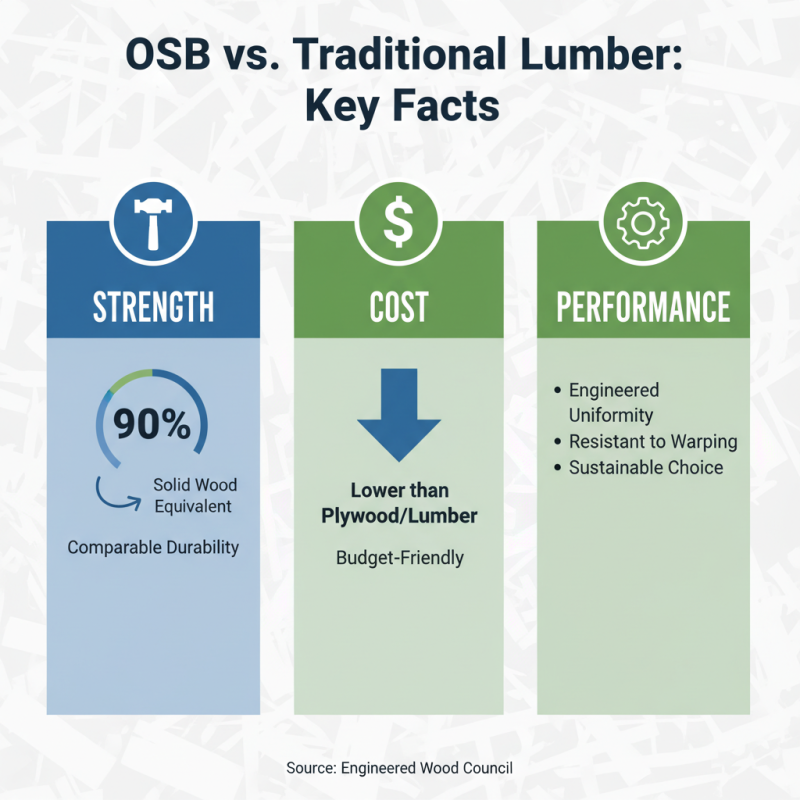
When comparing OSB (Oriented Strand Board) to traditional lumber options, several factors come into play: strength, cost, and performance. OSB has gained popularity due to its engineered composition. It often shows comparable strength to solid wood. Studies indicate that OSB can provide up to 90% of the strength of equivalent solid wood beams. This metric is crucial for builders aiming for durability.
Cost is another significant aspect. Generally, OSB tends to be less expensive than dimensional lumber. Current market trends show that OSB prices can be 20-30% lower than traditional timber. This makes OSB an enticing option for budget-conscious projects. However, the performance of OSB in extreme conditions deserves scrutiny. High humidity can weaken OSB in ways that solid wood may resist better. Additionally, potential long-term durability under varied weather conditions is a point of consideration.
Environmental factors also influence wood choice. OSB uses smaller wood strands, making it more resource-efficient than solid lumber. However, the adhesives used in OSB production can raise concerns about emissions. These details underscore the importance of thorough project evaluation. Not every project needs the same material, and making the right choice requires balancing these variables carefully.
Industry Standards and Ratings for OSB Beams: What You Need to Know
When selecting OSB structural beams, understanding industry standards and ratings is crucial. These guidelines determine the performance and safety of the beams in various applications. Familiarize yourself with the structural grade and moisture rating, as they significantly impact the beam's durability. A lower moisture rating may be more suitable for indoor projects, while beams rated for higher moisture resistance are essential for outdoor or exposed environments.
Different certifications indicate compliance with safety standards. Look for beams that have been tested for load-carrying capacity and shear strength. This ensures they can withstand the pressures of your specific project. Additionally, consider the environmental impact; opting for sustainably sourced materials can be a responsible choice. However, sometimes, the cost might outweigh the benefits, leading to a challenging decision.
As you navigate your choices, remember to analyze your project's specific needs. Not every beam will perform the same way for different applications. Engaging with experienced professionals can help clarify these requirements. They can provide insights that aren’t always apparent from ratings alone. It's essential to weigh these factors carefully, as making the right choice can significantly affect the outcome of your project.
OSB Structural Beam Ratings and Industry Standards
Environmental Considerations in Choosing OSB: Sustainability and Sourcing
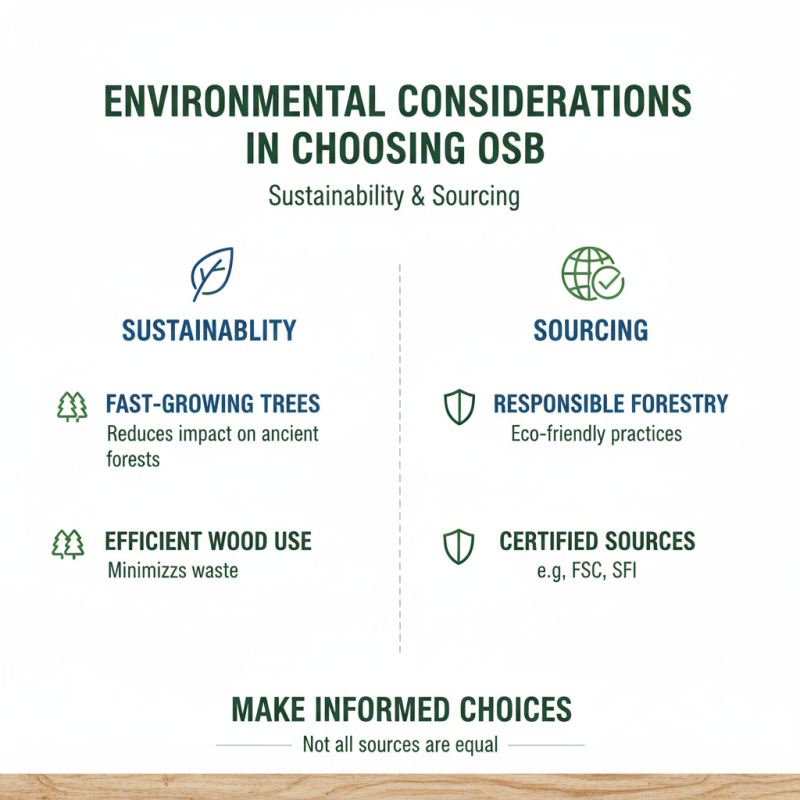
When choosing oriented strand board (OSB) structural beams, environmental considerations are crucial. Sustainability should be at the forefront of your decision. OSB is often made from fast-growing trees, reducing the impact on ancient forests. Sourcing methods that prioritize responsible forestry can lead to a more eco-friendly choice. However, not all sources are equal.
It’s important to assess the certifications associated with OSB. Look for products certified by recognized environmental standards. These assure that the materials used come from sustainable resources. However, be cautious; not all certifications guarantee the same level of environmental protection. Sometimes, companies may present misleading claims. Engaging with suppliers and asking detailed questions can clarify these concerns.
Additionally, consider the lifecycle of your chosen materials. OSB is durable, but its performance in harsh conditions varies. Some beams may experience swelling or warping over time, affecting their sustainability. It's essential to weigh these factors carefully. Understanding both the benefits and drawbacks will aid in making a well-informed decision. Being mindful about your choices can lead to a healthier planet and a successful project.