2025 How to Choose the Right Lumber Joists for Your Construction Project
Choosing the right lumber joists for your construction project is a crucial decision that can significantly impact the overall quality, safety, and durability of your structure. Lumber joists are essential components in both residential and commercial building frameworks, serving as the horizontal supports that bear the weight of floors and ceilings. With a wide variety of materials, sizes, and styles available, selecting the most appropriate lumber joists requires careful consideration of factors such as load-bearing capacity, environmental conditions, and local building codes.
As you embark on the journey of your construction project, understanding the different types of lumber joists and their applications will empower you to make informed choices. This guide will provide insights into the various options on the market, highlighting the benefits and drawbacks of each type. Additionally, we will discuss essential factors to consider when selecting lumber joists, ensuring that you find the best fit for your specific needs. By taking the time to choose the right lumber joists, you can enhance the structural integrity of your project and ensure a solid foundation for years to come.
Understanding Lumber Joists: Types and Characteristics
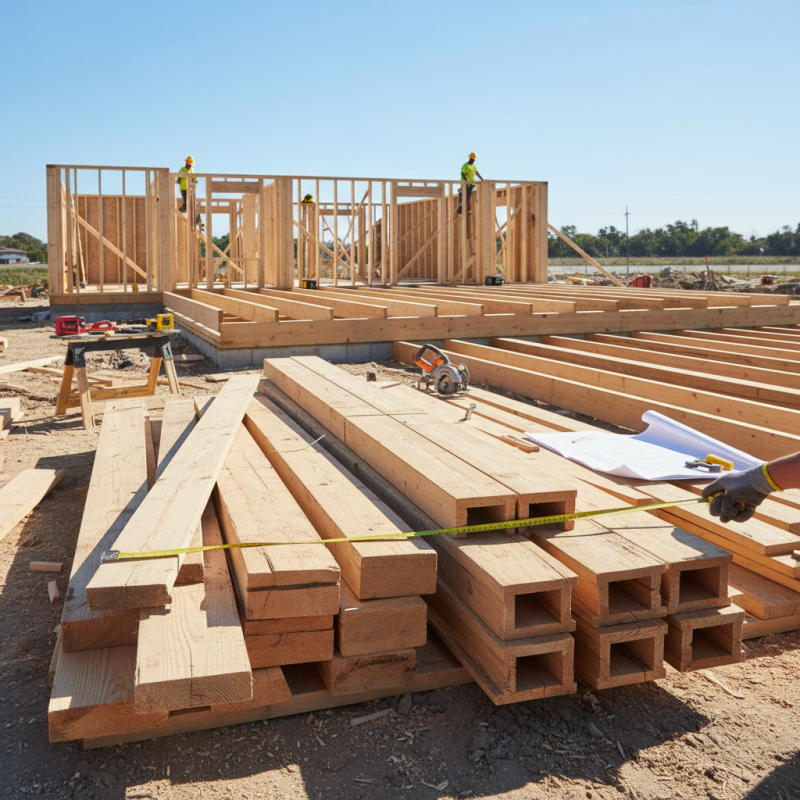
Lumber joists are crucial components in construction, providing structural support and stability to various building projects. Understanding the different types of lumber joists available is essential for making informed choices. There are primarily three types of lumber joists: solid sawn lumber, engineered wood joists, and I-joists. Each type has its unique characteristics that cater to specific construction needs.
Solid sawn lumber joists are made from natural wood and are known for their strength and durability. They are typically used in residential projects due to their ability to withstand heavy loads and their aesthetic appeal. On the other hand, engineered wood joists are designed for enhanced performance and are manufactured from multiple layers of wood, making them lighter and often more cost-effective than solid lumber. Lastly, I-joists, which feature an 'I' shape design, provide excellent strength-to-weight ratios and are ideal for long spans, making them popular in commercial construction. Understanding these options can greatly influence the overall quality and success of a construction project.
2025 How to Choose the Right Lumber Joists for Your Construction Project
This chart illustrates the strength (in psi) of various types of lumber joists used in construction projects. Understanding the strengths of different lumber options can aid in selecting the right material for your building needs.
Evaluating Load-Bearing Capacity for Optimal Performance
When selecting the right lumber joists for your construction project, understanding the load-bearing capacity is crucial for ensuring both safety and structural integrity. According to the American Wood Council, the load-carrying capacity of lumber depends on several factors, including species, size, and moisture content.
For instance, properly dried and treated southern yellow pine typically exhibits a higher modulus of elasticity and greater shear strength, making it a preferred choice for various construction applications.
Detailed assessments of load-bearing capacities must also consider the deflection limits imposed by building codes. The International Building Code suggests that deflection should not exceed L/360 for floor systems, where L is the span length. This means that as spans increase, selecting joists with appropriate strength properties becomes essential to avoid structural issues.
Studies have shown that engineered wood products can offer effective solutions, often outperforming traditional lumber in terms of load-bearing capabilities, allowing for longer spans with reduced dimensional requirements.
Incorporating these evaluations into your planning phase can lead to improved performance and longevity of your structure. Furthermore, consulting structural analysis tools or working with a structural engineer can provide tailored insights specific to your project, ensuring the chosen joists meet both the expected load and safety requirements for optimal construction outcomes.
Assessing Environmental Considerations in Joist Selection
When selecting lumber joists for construction projects, environmental considerations play a crucial role in promoting sustainability and reducing the ecological footprint. The choice of materials can significantly impact both the immediate surroundings and the broader environment. Using sustainably sourced wood, such as lumber certified by recognized forestry standards, ensures that the joists are harvested in a way that maintains ecosystem balance and fosters biodiversity. Additionally, selecting locally sourced materials can minimize transportation emissions and support local economies, which further enhances the sustainability of the construction project.
Another important aspect to consider is the lifecycle of the lumber joists. This involves evaluating the environmental impact from production through disposal. Opting for engineered wood products or reclaimed wood can provide effective solutions that promote resource efficiency. Engineered wood products often utilize smaller tree components, reducing waste and maximizing the use of timber resources. Furthermore, considering the energy efficiency of the building design itself can lead to better thermal performance, ultimately reducing energy consumption throughout the structure's lifespan. By assessing these environmental considerations in the selection process, construction projects can align better with sustainable practices and contribute positively to the environment.
2025 How to Choose the Right Lumber Joists for Your Construction Project - Assessing Environmental Considerations in Joist Selection
| Joist Type |
Material Source |
Sustainability Rating |
Cost per Linear Foot |
Weight (lbs/ft) |
Thermal Performance |
| Timber Joists |
FSC Certified Forests |
A |
$3.50 |
2.4 |
Good |
| Engineered Wood Joists |
Recycled Wood Fiber |
B |
$4.00 |
2.0 |
Excellent |
| Steel Joists |
Recycled Steel |
A |
$5.50 |
3.0 |
Poor |
| Composite Joists |
Bio-based Materials |
A+ |
$6.00 |
1.8 |
Very Good |
Comparative Analysis of Material Costs for Different Joists
When embarking on a construction project, selecting the appropriate lumber joists is crucial not only for structural integrity but also for budget management. The cost of different types of joists varies significantly, influenced by factors such as material composition, size, and availability. Traditional lumber joists, often made from dimensional timber, tend to be less expensive upfront, making them a popular choice for many projects. However, their susceptibility to warping, shrinking, and the need for regular maintenance can lead to higher long-term costs.
In contrast, engineered wood joists, such as I-joists and laminated veneer lumbers, typically command a higher initial investment due to their advanced manufacturing processes. These engineered options provide superior strength-to-weight ratios, allowing for longer spans without intermediate support, which can save on construction costs and time. While the material cost may be higher, their durability and reduced likelihood of defects can lead to savings in labor and materials during the project lifespan. Evaluating the total cost of ownership—including maintenance and potential replacements—will provide a more comprehensive understanding of the true value offered by each type of joist.
Best Practices for Installation and Maintenance of Lumber Joists
When it comes to installation of lumber joists, following best practices is crucial for ensuring durability and structural integrity. Industry studies indicate that improper installation can reduce the load-bearing capacity of joists by up to 30%, leading to potential safety hazards and costly repairs. To achieve optimal results, it's essential to use the right fasteners and ensure that joists are properly spaced. According to the National Wood Flooring Association, a spacing of 16 inches on center is generally recommended for residential applications, although specific project requirements may vary.
Maintenance is another critical aspect of lumber joist longevity. Regular inspections should be conducted to identify signs of wear, such as moisture damage or pest infestations. A report from the American Wood Council suggests that maintaining an ideal moisture content level between 19% to 30% can significantly extend the life of your lumber joists. Homeowners and builders should also be aware of the importance of ventilation in preventing mold growth, which can weaken the structural components of a building. Implementing these best practices not only enhances the performance of lumber joists but also contributes to the overall safety and resilience of construction projects.