How to Choose the Best Laminated Plywood for Your Project?
Choosing the right laminated plywood for your project can significantly impact its overall quality and durability. Laminated plywood is a popular choice among builders and DIY enthusiasts alike due to its strength and versatility. According to a report by Grand View Research, the global laminated plywood market is projected to reach USD 63.57 billion by 2025, highlighting its growing demand.
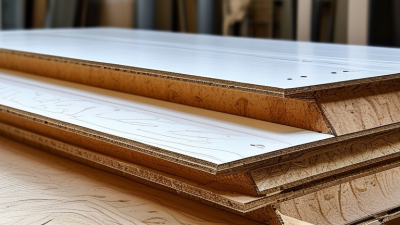
Experts suggest evaluating various factors before making a selection. The thickness, type of veneer, and adhesive used all influence performance. High-quality laminated plywood often features a strong bond that enhances resistance to warping and moisture. However, not all products are equal. Some cheap alternatives may lack structural integrity, which can lead to issues down the line.
It's essential to trust reliable sources for your information and product choices. Industry certifications, such as FSC (Forest Stewardship Council), can help ensure you're purchasing sustainable and reputable materials. While there are excellent options available, understanding the nuances of laminated plywood will empower you to avoid potential pitfalls. Balancing budget and quality is crucial; don’t compromise value for savings in the long run.
Understanding the Different Types of Laminated Plywood Available
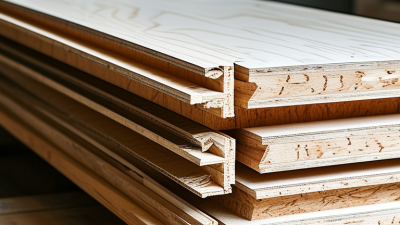
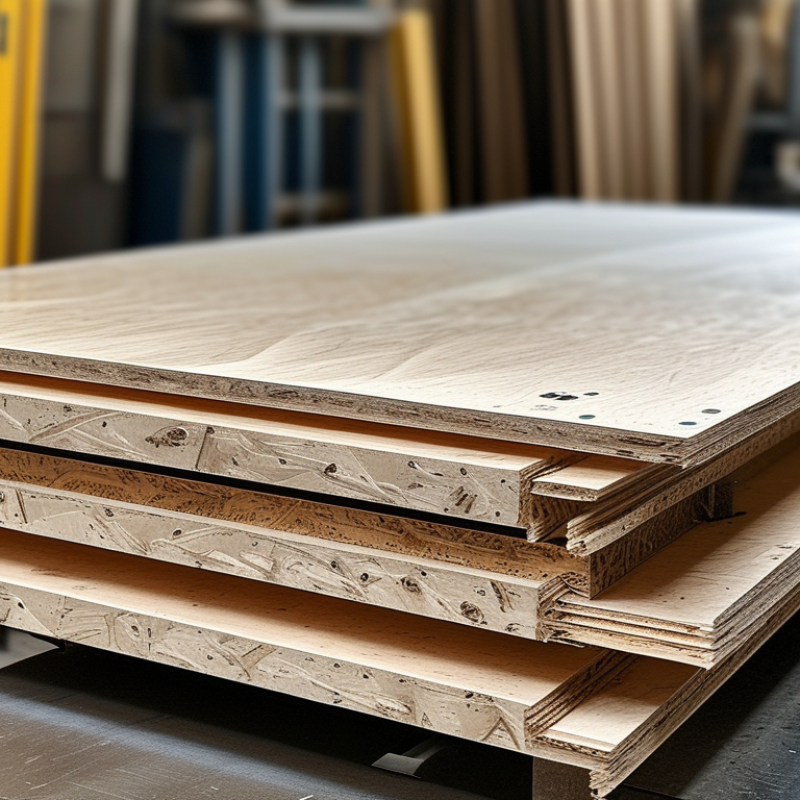
Laminated plywood comes in various types, each suitable for specific applications. Understanding these options is key to your project’s success. For example, structural plywood is designed for load-bearing applications. It often meets strict standards for strength and stability. According to industry reports, this type can withstand heavy weights and resist warping.
Another popular option is decorative laminated plywood. This type prioritizes appearance over strength. It is often used in cabinetry and furniture. The surface veneers offer aesthetic appeal. However, they may not hold up under high stress. A study from the Wood Products Council indicates that while decorative plywood enhances visual aspects, it might require careful maintenance.
While choosing laminated plywood, consider moisture resistance as well. Marine plywood is specifically engineered for humid conditions. Yet, some projects may call for waterproof adhesives, which could increase the cost. Make sure to reflect on your project's specific needs and the environment. Balancing appearance, strength, and durability can lead to better long-term results.
Assessing the Strength and Durability Requirements for Your Project
Choosing laminated plywood requires careful consideration of strength and durability. These factors directly affect your project's longevity and performance. Common uses for laminated plywood include furniture, cabinetry, and flooring. Each application demands specific strength attributes. For instance, furniture pieces often require load-bearing capabilities and scratch resistance.
Tips: Always consult data from reputable sources. A study by the Wood Products Council indicates that laminated plywood can endure over 50% more stress than standard plywood. This makes it a reliable option for heavy-duty applications.
Understanding your project's environmental conditions is essential. High humidity can weaken plywood over time. It is vital to select a laminate that offers moisture resistance in such environments. A report from the American Plywood Association shows that the right laminate can double the lifespan of plywood in adverse conditions.
Test your knowledge on plywood grades. Higher grade laminates provide more durability but come at a premium price. Weigh the cost against the required strength to avoid overspending. Even minor oversights in material selection can lead to significant issues down the line. Focus on detailed specifications that align with your project's unique needs for the best results.
Evaluating Aesthetic Considerations: Finishes and Textures
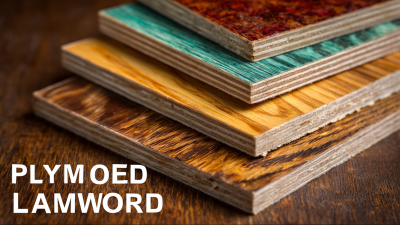
When choosing laminated plywood, aesthetic considerations are crucial. The finish and texture can dramatically influence the final look of your project. Consider how different textures, like smooth or rough, affect the overall design. A matte finish could provide a subtle touch, while a glossy surface enhances light reflections.
Tips: Always visualize how the finish fits within your project's environment. Testing samples in natural light can reveal unexpected effects. Some finishes may appear differently under artificial lighting.
Textures can offer depth and character. A wood-grain texture can evoke warmth and nature, while a sleek, modern finish suggests minimalism. However, not all textures blend seamlessly. Identify the style you want, but be open to experimentation.
Tips: Keep in mind that certain textures might be harder to maintain. Evaluate your lifestyle and choose accordingly. A high-contrast look can be striking but may require more upkeep. Reflect on how your chosen finishes and textures align with your vision and daily use.
Comparing Aesthetic Considerations in Laminated Plywood Finishes and Textures
Cost Considerations: Budgeting for Quality Laminated Plywood
When budgeting for quality laminated plywood, it's essential to balance cost with performance. Industry reports indicate that high-quality laminated plywood can range from $30 to $85 per sheet, depending on thickness and type. While this may seem steep, investing in durable materials can lead to long-term savings. Poor choices may lead to replacement costs or repairs.
Choosing the right plywood involves understanding its core materials. Plywood made from hardwood tends to be more expensive but offers superior strength. In contrast, softwood options can be budget-friendly but may not hold up well under stress. Additionally, moisture-resistant options are vital for projects exposed to humidity. These typically cost 15-20% more, yet they can prevent costly damage in damp environments.
It's important to weigh your options. Sometimes, a cheaper plywood may not provide the longevity needed for heavy-use projects. You might save initially, but costs could escalate over time. Research shows that using the right laminated plywood can enhance project durability by nearly 30%. Always remember, cheaper isn't always better. Quality often dictates the project’s lifespan and success.
Sourcing and Purchasing: Where to Buy the Best Laminated Plywood
When sourcing laminated plywood, consider local suppliers and specialty stores first. They often carry high-quality options tailored to diverse projects. Engaging with knowledgeable staff can give you insights into product specifications and uses. Many stores offer samples, which can help you feel the product before purchasing. Touch and see the grain patterns, thickness, and finish.
Online purchasing is another avenue to explore. Numerous platforms showcase extensive selections. Look for reviews and ratings from other customers. This feedback can provide valuable insights into durability and quality. However, remember that photos might not fully represent the actual product. Verify the return policy before buying. This way, you can exchange items if they don’t meet your expectations.
Keep in mind that environmental considerations are essential when choosing a supplier. Check if they prioritize sustainable sourcing and eco-friendly practices. You may find that some stores emphasize responsible manufacturing processes. In the end, take your time to explore different options, and don’t hesitate to ask questions.