How to Choose the Best Bamboo Plywood Flooring for Your Home?
Bamboo Plywood Flooring has gained popularity as a sustainable and stylish choice for modern homes. According to a report by ResearchAndMarkets, the global bamboo flooring market is projected to grow at a CAGR of 12% from 2022 to 2027. This reflects an increasing awareness of environmental issues and consumer preference for eco-friendly materials. Bamboo is not only renewable, but it also offers durability that rivals traditional hardwoods.
Choosing the right bamboo plywood flooring requires a thorough understanding of various factors. Quality varies significantly among manufacturers, making it essential to evaluate certification processes, such as those from the Forest Stewardship Council (FSC). Selecting flooring that is made with formaldehyde-free adhesives can also enhance indoor air quality. However, it is essential to note that not all bamboo products are created equal. Some lower-quality options may warp or scratch easily, raising concerns about long-term reliability.
Understanding the benefits and drawbacks of bamboo plywood flooring is crucial. While it is versatile and aesthetically pleasing, consumers should be aware of its sensitivity to moisture. Proper maintenance and attention to humidity levels can make a significant difference in longevity. Engaging with professionals in the flooring industry can provide insights into the best options available, ensuring that your choice aligns with your lifestyle and design preferences.
Understanding Bamboo Plywood Flooring: An Overview of Materials
Bamboo plywood flooring is a sustainable choice for homeowners seeking eco-friendly materials. Bamboo is a grass, not a tree, which allows it to grow quickly. This renewable resource can reach maturity in just three to five years. Its rapid growth makes it an appealing option for those concerned about environmental impact.
When considering bamboo plywood flooring, it's essential to examine its composition. Typically, it consists of strands or layers of bamboo glued together. The technique affects its durability and overall look. Strand-woven bamboo is denser and tougher than traditional bamboo planks. However, some might find its hardness too extreme.
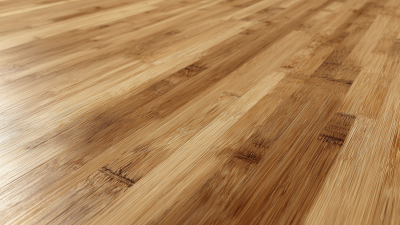
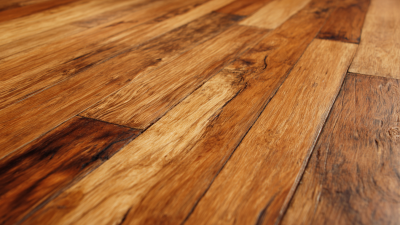
Additionally, color variations can greatly influence your decision. Natural bamboo offers a light hue, while carbonized bamboo has a darker tone. Both options can complement various interior designs. Pay attention to how each type interacts with your home’s lighting. The wrong choice might make a room feel gloomy or too stark. Each material has its pros and cons, and careful consideration is vital for achieving a balanced aesthetic.
Key Features to Consider When Selecting Bamboo Plywood Flooring
When selecting bamboo plywood flooring, several key features deserve close attention. Durability is paramount. According to the Forest Products Laboratory, bamboo can be up to 28% harder than oak, making it a strong choice for high-traffic areas. The hardness rating provides a tangible measure of how resistant the flooring will be to scratches and dents. Additionally, consider the thickness of the bamboo plywood. A minimum thickness of 12mm is recommended for enhanced stability and longevity.
Moisture resistance is another essential factor. Bamboo naturally contains anti-microbial properties, which can help in resisting mold and mildew. However, the manufacturing process significantly impacts this characteristic. Look for certifications that ensure proper treatments have been applied. The American National Standards Institute (ANSI) recommends flooring products meet specific moisture resistance standards for optimal performance.
Aesthetic appeal should not be overlooked. Different grain patterns and colors can create a unique look in any home. Eco-friendliness is increasingly significant; many consumers prefer sustainably sourced bamboo. The World Bamboo Organization highlights that bamboo grows rapidly and can be harvested without harming the plant, making it a renewable resource. Balancing these factors might require some reflection on which features suit your lifestyle best.
How to Choose the Best Bamboo Plywood Flooring for Your Home?
| Feature |
Description |
Considerations |
| Thickness |
Typically ranges from 5mm to 20mm. |
Thicker planks offer greater durability but may be more expensive. |
| Grain Pattern |
Can be vertical, horizontal, or strand-woven. |
Choose based on aesthetic preferences and design style. |
| Finish |
Available in matte, semi-gloss, and high-gloss finishes. |
Consider room usage; glossy finishes can show scratches more easily. |
| Eco-Friendliness |
Bamboo is a sustainable resource if sourced responsibly. |
Look for certifications like FSC or Greenguard. |
| Water Resistance |
Some bamboo floors are treated for water resistance. |
Essential for areas like kitchens and bathrooms. |
| Installation Method |
Options include glue-down, nail-down, or floating. |
Choose based on your skill level and subfloor type. |
Assessing Durability and Sustainability of Bamboo Flooring Options
When considering bamboo flooring for your home, durability is essential. Bamboo, especially when properly processed, offers high density and resilience. According to the "National Wood Flooring Association," carbonized bamboo can be more durable than traditional hardwood. This makes it an excellent choice for high-traffic areas. The Janka hardness test often ranks bamboo flooring just below oak, showing its strength.
Sustainability is another crucial factor. Bamboo is one of the fastest-growing plants, with some species reaching maturity in just three to five years. This rapid growth results in a renewable resource that can be harvested responsibly. The "Forest Stewardship Council" states that certified bamboo with proper management practices reduces environmental impact. However, not all bamboo flooring comes with sustainability certifications. Consumers must verify sourcing to avoid products linked to deforestation or unethical practices.
Choosing bamboo flooring requires attention to detail. The manufacturing process can affect both durability and sustainability. Some products may use adhesives containing harmful chemicals. It's vital to select options labeled as low-VOC to ensure indoor air quality. By examining these features, homeowners can make informed decisions that align with their values.
Durability and Sustainability Ratings of Bamboo Plywood Flooring Options
Different Styles and Finishes of Bamboo Plywood Flooring Available
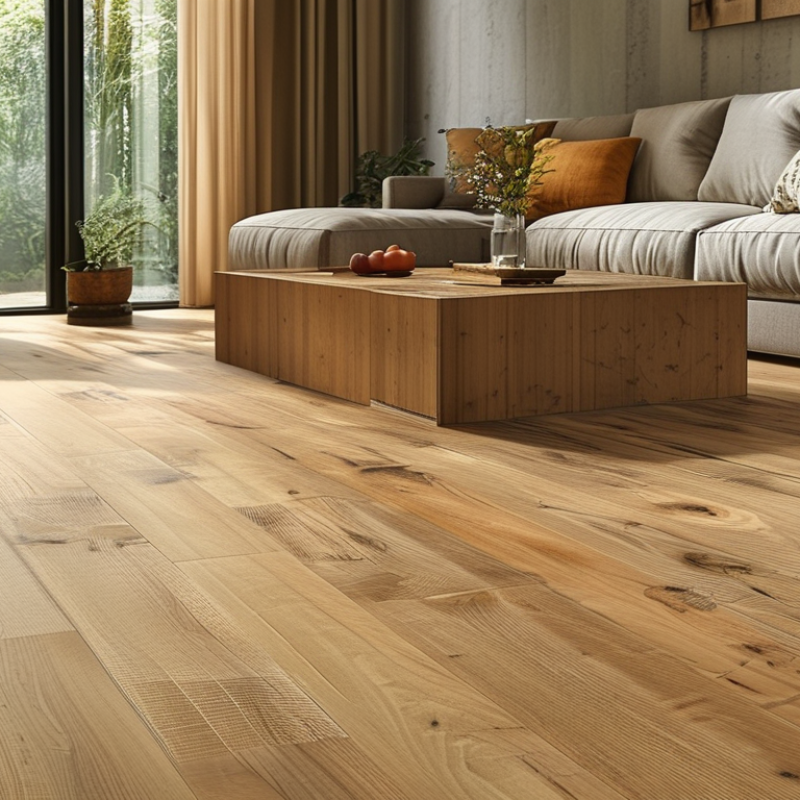
When selecting bamboo plywood flooring, consider the variety of styles and finishes available. Bamboo is highly versatile. The two main types are strand-woven and horizontal or vertical grain. Strand-woven bamboo is denser and more durable. It offers a contemporary look. This type is suitable for high-traffic areas. Horizontal and vertical grains provide a more traditional aesthetic. These styles have a warm, inviting appeal that fits well in cozy spaces.
Finishes also play a crucial role in the overall look. Common options include natural, carbonized, and stained finishes. Natural bamboo maintains its light color and smooth texture. It highlights the bamboo’s unique patterns. Carbonized bamboo is darker and has a rich, chocolate hue. Stained finishes can mimic other wood types, expanding design options. A popular report by the Forest Products Laboratory notes that high-quality bamboo flooring can last between 20 to 25 years, depending on care and maintenance.
While bamboo flooring is often hailed for its eco-friendliness and durability, some drawbacks exist. Some finishes may scratch easily under heavy furniture. Additionally, quality can vary significantly among manufacturers. Not all bamboo flooring is created equal. Research is vital. It ensures you choose a product that meets your needs and aesthetic preferences. Always check for certifications of sustainability and quality prior to making a purchase.
Installation and Maintenance Tips for Bamboo Plywood Flooring
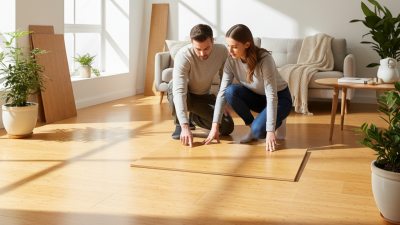
When it comes to bamboo plywood flooring, installation and maintenance play crucial roles in ensuring longevity and aesthetic appeal. According to a report from the Forest Products Laboratory, bamboo flooring can be as durable as traditional hardwood. However, improper installation can lead to issues like warping and separation. It's vital to acclimate your bamboo flooring before installation, allowing it to adjust to your home’s humidity and temperature.
Tips for installation include using a reliable underlayment to provide moisture resistance and sound absorption. Make sure to leave expansion gaps around the perimeter. In addition, ensure that your subfloor is clean, dry, and level before laying the bamboo planks. A poorly prepared subfloor can lead to a multitude of issues over time, including creaking or even flooring failure.
For maintenance, regular cleaning is essential. Use a soft broom or a vacuum with a soft brush attachment to remove dirt and debris. Avoid wet mopping, as excess moisture can damage the bamboo. The National Wood Flooring Association suggests occasional use of a damp cloth for deep cleans. Furthermore, placing area rugs in high-traffic zones can help protect the surface from wear. Reflect regularly on your flooring's condition to catch wear early and maintain its beauty.