7 Best Benefits of Laminated Plywood: Why It's the Top Choice for Builders in 2023
In recent years, the construction industry has increasingly turned to Laminated Plywood due to its remarkable durability and versatility. According to a report by Allied Market Research, the global plywood market is projected to reach $80 billion by 2027, with Laminated Plywood driving a significant portion of this growth. This innovative material, known for its ability to withstand varying climatic conditions and its exceptional strength-to-weight ratio, has proven to be a game changer for builders.
 Moreover, with the rise in sustainability-focused manufacturing processes, Laminated Plywood is rapidly becoming the top choice for eco-conscious developers. As we explore the seven key benefits of Laminated Plywood, it becomes clear why this material has gained such popularity among builders in 2023, positioning it as a crucial element in modern construction projects.
Advantages of Laminated Plywood Over Traditional Materials in Construction
When it comes to construction materials, laminated plywood stands out as a superior choice compared to traditional options. Its unique composition offers enhanced durability, making it resistant to warping and cracking, which are common issues faced by solid wood. Builders appreciate the stability of laminated plywood, allowing for more predictable outcomes in various climates, ensuring that structures maintain their integrity over time.
Another major advantage of laminated plywood is its lightweight nature, which simplifies transportation and installation processes. This can lead to reduced labor costs and quicker project completion. Moreover, laminated plywood is often more environmentally friendly, as it can be produced from rapidly renewable sources and utilizes less wood than traditional plywood alternatives. This not only contributes to sustainable building practices but also appeals to eco-conscious clients.
Tips for selecting laminated plywood include opting for materials with a higher number of layers for increased strength and stability. Additionally, consider the finish and thickness based on the specific requirements of your project to ensure optimal performance. Always check for certifications that guarantee the plywood meets industry standards to avoid potential issues down the line.
7 Best Benefits of Laminated Plywood: Why It's the Top Choice for Builders in 2023
How Laminated Plywood Enhances Structural Integrity and Longevity
 Laminated plywood has gained increasing attention among builders in 2023, largely due to its remarkable ability to enhance structural integrity and longevity. According to a report by the Forest Products Laboratory, laminated plywood's engineered nature allows it to withstand significant stress and strain, boosting its load-bearing capacity by up to 20% compared to traditional solid wood. This advantage is crucial in construction, where safety and durability are paramount. Additionally, its resistance to warping and cracking means that structures built with laminated plywood can maintain their form and function over time, reducing maintenance costs and prolonging the lifespan of buildings.
For builders looking to maximize the benefits of laminated plywood, consider these tips:
- Ensure proper adhesive bonding during the lamination process for optimal strength;
- Choose the right thickness and grade according to the specific requirements of your project;
- Conduct regular inspections to identify any potential wear or damage early on.
Emphasizing these best practices can significantly enhance the
structural integrity of any construction project, leading to
safer and
more sustainable buildings. Moreover, data from the
Engineered Wood Association indicates that laminated plywood can reduce waste by making better use of smaller timber pieces, promoting a more
sustainable approach in the industry.
Cost-Effectiveness: Why Laminated Plywood is a Smart Investment for Builders
Laminated plywood has emerged as a superior building material, offering remarkable cost-effectiveness that appeals greatly to builders in 2023. With the global plywood market expected to grow from USD 62.67 billion in 2025 to USD 104.53 billion by 2033, it's clear that laminated plywood is becoming an increasingly smart investment. Its affordability compared to solid wood, combined with its enhanced durability and resistance to warping, makes it a go-to choice for both commercial and residential projects. Builders can significantly reduce material costs and labor expenses, resulting in a more efficient construction process without compromising quality.
Moreover, the growing emphasis on sustainable building practices underscores the appeal of laminated plywood. This material not only utilizes wood more efficiently but also supports environmentally responsible sourcing. As construction moves towards innovative, eco-friendly materials, laminated plywood aligns perfectly with trends in the engineered wood market, which seeks to minimize the carbon footprint of buildings. By investing in laminated plywood, builders contribute to sustainable practices while realizing long-term savings, reinforcing its position as a top choice in today’s construction landscape.
Environmental Impact: The Sustainable Choice of Laminated Plywood
 Laminated plywood has gained widespread recognition among builders in 2023, not only for its
structural strength and versatility but also for its significant environmental benefits. As construction practices shift towards sustainability,
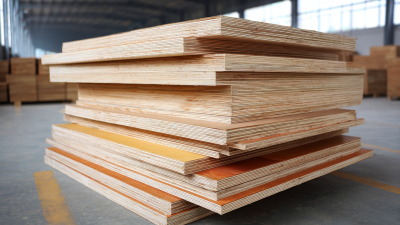
laminated plywood stands out as an eco-friendly option. Made from thin layers of wood glued together,
it maximizes the use of trees and reduces waste by utilizing smaller, less desirable timber varieties. This approach not only conserves larger trees but also
promotes responsible forest management.
Laminated plywood has gained widespread recognition among builders in 2023, not only for its
structural strength and versatility but also for its significant environmental benefits. As construction practices shift towards sustainability,
laminated plywood stands out as an eco-friendly option. Made from thin layers of wood glued together,
it maximizes the use of trees and reduces waste by utilizing smaller, less desirable timber varieties. This approach not only conserves larger trees but also
promotes responsible forest management.
Moreover, laminated plywood's production process typically involves less energy and fewer harmful emissions compared to traditional plywood manufacturing.
Many manufacturers are adopting eco-conscious practices and sourcing their materials from sustainably managed forests, further reducing their carbon footprint.
By choosing laminated plywood, builders can contribute to a healthier planet while also benefiting from a high-quality material that provides durability and
aesthetic appeal in their projects. Its longevity and potential for recyclability make it an ideal choice for those looking to minimize their environmental impact
in the construction industry.
Versatility in Design: Creative Applications of Laminated Plywood in Building Projects
Laminated plywood has gained immense popularity in the construction industry due to its impressive versatility in design. This innovative material allows builders to experiment with various shapes and sizes, enabling more creative architectural expressions. From urban homes to commercial spaces, laminated plywood can be utilized in numerous applications, including walls, flooring, and furniture. Its adaptability makes it the go-to choice for architects looking to bring unique visions to life.
Moreover, the aesthetics of laminated plywood contribute to its charm. With an array of finishes and colors available, it can complement any design theme, from rustic to modern. The layered structure adds depth and texture, making it ideal for statement pieces that draw the eye. Additionally, laminated plywood is an eco-friendly option, as it is often made from sustainable wood sources, appealing to environmentally conscious builders and designers. Whether used for intricate ceiling designs or sleek cabinetry, laminated plywood proves that functionality and artistry can coexist beautifully in any building project.
7 Best Benefits of Laminated Plywood: Why It's the Top Choice for Builders in 2023
| Benefit |
Description |
Creative Applications |
| Versatility |
Can be used in various construction and design projects, from furniture to structural elements. |
Custom furniture, wall panels, cabinetry. |
| Strength |
Offers high strength-to-weight ratio and improved load-bearing capabilities. |
Roof trusses, beams, flooring systems. |
| Aesthetic Appeal |
Available in various finishes and designs that enhance visual appeal. |
Interior decor, accent walls, art installations. |
| Eco-friendly |
Made from renewable materials and can be sourced sustainably. |
Green building projects, sustainable furniture design. |
| Cost-Effectiveness |
Typically less expensive than solid wood options, offering a budget-friendly choice. |
DIY projects, cost-effective home renovations. |
| Stability |
Less susceptible to warping and splitting compared to traditional wood. |
Windows frames, cabinetry that requires stability. |
| Easy to Work With |
Can be easily cut, shaped, and glued for various projects. |
Home improvement projects, crafting. |