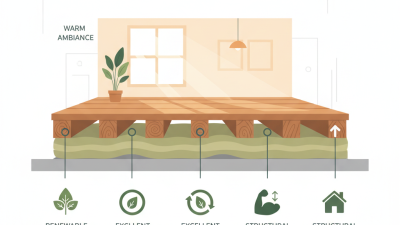
Timber Joists Floor is a popular choice for many homeowners. It offers numerous advantages that enhance both aesthetics and functionality. One key benefit is its environmental sustainability. Timber is a renewable resource and has a lower carbon footprint compared to concrete. This makes it an eco-friendly option for those concerned about climate change.
Another advantage is the superior insulation properties of Timber Joists Floor. The material helps to regulate temperature, keeping homes warm in winter and cool in summer. Additionally, timber offers excellent sound absorption. This can create a more peaceful living environment, reducing noise from both inside and outside the home.
However, it's important to consider that not all timber is created equal. Poor quality timber can lead to issues like warping or decay. Ensuring proper maintenance and installation is crucial for longevity. Despite these potential drawbacks, the benefits of a Timber Joists Floor remain compelling for many. It combines style, durability, and sustainability into one package, making it a worthwhile investment for your home.
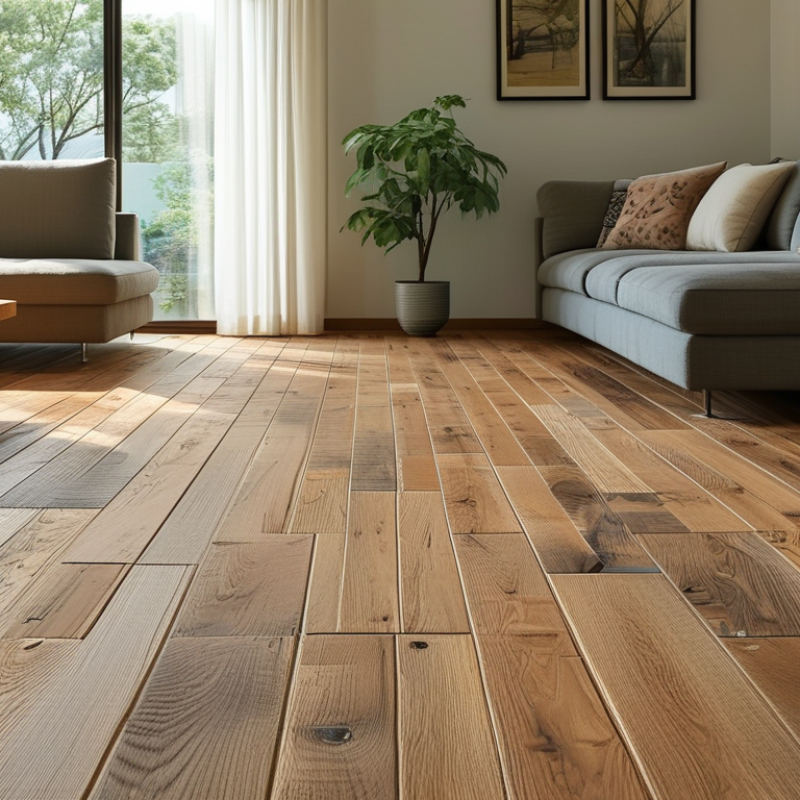
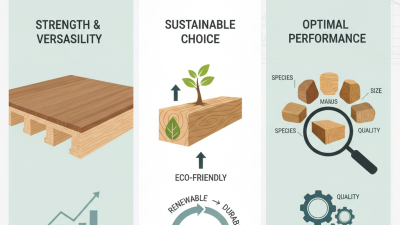
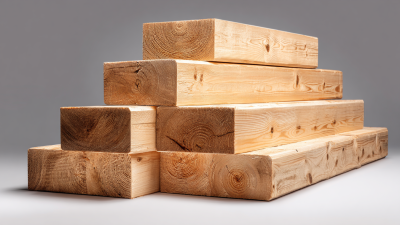
When considering home construction, timber joists offer several advantages. They provide excellent strength-to-weight ratios, making them ideal for supporting floors. This means your home can remain sturdy without unnecessary bulk. Many builders appreciate timber for its inherent insulation properties. This natural insulation keeps the home warm in winter and cool in summer.
Timber joists also contribute to a sustainable building environment. They come from renewable sources and can be sourced locally. Using local timber reduces transportation emissions, making it an eco-friendly option. However, homeowners should consider maintenance aspects. Timber can be susceptible to pests and moisture if not treated properly. Regular inspections can help mitigate these risks.
Another benefit is the aesthetic appeal of timber. It offers a warm, natural look that enhances interior design. Open floor plans also gain from timber joists as they allow for fewer supporting walls. Yet, this design must be balanced with structural requirements. Overall, whilst timber joists are fantastic for many reasons, careful consideration is necessary to ensure they meet all building standards.

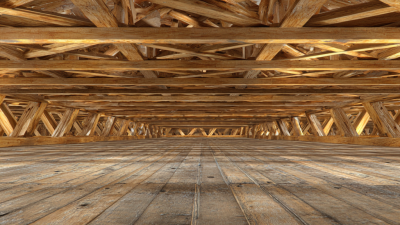
Timber joists flooring can significantly enhance the aesthetic appeal of your home. The warm hues of wood create a cozy atmosphere, inviting you to feel at ease. Natural grains and textures add character to any room, making it visually intriguing. When light hits the surface, it dances across the wood, producing an ever-changing beauty that captivates the eye.
Moreover, timber joists flooring aligns with various design styles. Whether you prefer rustic charm or modern elegance, wood complements both. It pairs well with minimalist decor and can soften contemporary designs. While some might argue about maintenance, the effort can be worth the beautiful results. Over time, timber floors age gracefully, developing a unique patina that enhances their charm.
However, imperfections in the wood can be a consideration. Knots and variations in color may not appeal to everyone. Yet, these characteristics may add to the warmth and authenticity of the flooring. Balancing beauty with potential drawbacks ensures a thoughtful choice for homeowners looking to elevate their space with timber joists.
Timber joists offer significant cost-effectiveness compared to other flooring options. According to the National Association of Home Builders, timber can be one of the most affordable materials, costing around $3 to $7 per square foot. This is often lower than alternatives like concrete or steel.
Wooden joists are lighter, reducing transportation costs. Their flexibility can lead to less waste during installation. A report from the Forest Products Laboratory states that the use of wooden joists can save homeowners up to 10% in overall flooring costs. This is essential for budget-conscious projects.
However, it’s crucial to consider maintenance. Timber floors require regular upkeep to prevent issues like moisture damage. Homeowners must weigh initial savings against potential long-term expenses. Each choice has pros and cons. For those prioritizing budget and aesthetics, timber joists stand out.
Timber joists offer significant environmental benefits in home design. They are renewable, unlike traditional materials like steel and concrete. According to the Forest Stewardship Council, responsibly sourced timber can reduce carbon emissions by up to 80% compared to concrete. This reduction plays a critical role in combating climate change.
Utilizing timber joists enhances indoor air quality. Unlike some synthetic materials, timber does not emit harmful VOCs (volatile organic compounds). A study by the University of Cambridge found that homes built with natural materials significantly improve air quality. Homeowners can enjoy better health and well-being when using timber.
However, the sustainability of timber relies on responsible sourcing. Not all timber production is eco-friendly, and deforestation remains a serious concern. It's essential for builders and homeowners to verify the chain of custody for their timber. Sustainable practices can help increase biodiversity and protect forests. Engaging with certified suppliers ensures that timber joists contribute positively to both home environments and the planet.
| Benefit | Description | Environmental Impact |
|---|---|---|
| Sustainability | Timber is a renewable resource when sourced responsibly from managed forests. | Helps reduce deforestation and promotes forest management. |
| Carbon Sequestration | Timber absorbs carbon dioxide from the atmosphere as it grows. | Contributes to reducing greenhouse gases. |
| Energy Efficiency | Timber has natural insulating properties, reducing energy costs. | Lowers the carbon footprint associated with heating and cooling. |
| Reduced Waste | Timber joists can be prefabricated, minimizing construction waste. | Promotes efficient use of materials. |
| Biodegradability | Timber is a naturally biodegradable material. | Reduces landfill impact at the end of its life cycle. |
| Aesthetics | Provides a warm and natural appearance to living spaces. | Enhances the overall ambiance without synthetic materials. |
| Acoustic Benefits | Timber offers good sound insulation properties. | Minimizes noise pollution in residential areas. |
| Flexibility in Design | Timber can be easily cut and shaped for various designs. | Allows for innovative architectural solutions with minimal waste. |
| Healthier Indoor Environment | Timber helps regulate humidity and improves air quality. | Promotes healthier living spaces compared to synthetic materials. |
| Long-lasting and Durable | Properly treated timber can withstand the test of time. | Less frequent replacements reduce overall resource consumption. |
Timber joists are an excellent choice for flooring, particularly in terms of insulation and energy efficiency. Their natural properties allow for better thermal insulation compared to traditional materials. When installed correctly, timber joists trap heat effectively. This lead to a warmer home during winter and cooler interiors in summer.
Moreover, timber is a renewable resource. Using timber joists supports sustainable building practices. It reduces your carbon footprint. This ecological advantage coincides with energy savings. Homes with timber joist floors often require less heating and cooling. The result? Lower energy bills and a reduced impact on the environment.
However, not all timber joists perform the same. Variability in quality exists based on wood type and treatment. Some homeowners may face challenges, like moisture issues or pests. Proper installation and maintenance are crucial. Regular checks can enhance performance and durability over time. Ultimately, with thoughtful care, timber joist floors can significantly boost your home’s insulation and energy efficiency.