2026 Best Timber Floor Joists for Your Construction Needs?
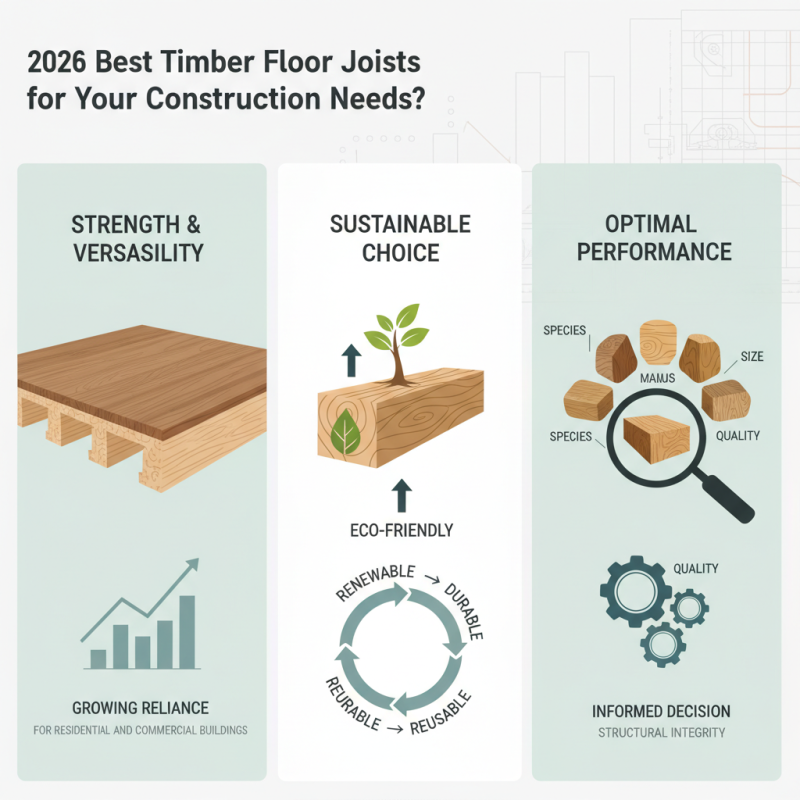
When it comes to construction, choosing the right materials is essential. Among those materials, Timber Floor Joists stand out due to their strength and versatility. These joists provide the necessary support for floors, ensuring durability while adding aesthetic value.
In 2026, the reliance on Timber Floor Joists continues to grow. Many builders prefer them for residential and commercial projects alike. Their eco-friendly nature contributes to sustainable construction practices. However, selecting the best options can be challenging. Not all timber is created equal, and quality varies significantly.
Timber Floor Joists come in various sizes and species, each with distinct properties. Understanding these nuances is critical for optimal performance. A poor choice may lead to structural issues down the line. Therefore, a well-informed decision is necessary, reflecting both expertise and personal experience in the field.
Understanding Timber Floor Joists: A Comprehensive Overview
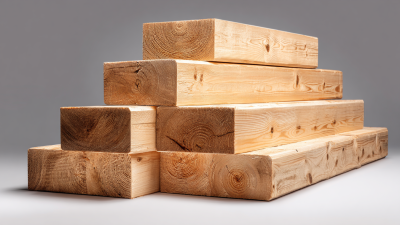
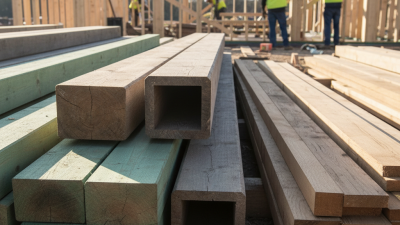
Timber floor joists play a crucial role in construction, providing essential support and stability. They are typically made from solid timber or engineered wood products, designed to bear significant loads. Understanding the different types of timber joists available can significantly impact a building project. Many builders prefer lightweight timber for ease of handling, while others may choose heavier varieties for added strength.
The selection process can be complex. Various factors come into play, like the type of timber used and the spacing between joists. Common practices include using standard 400mm or 600mm spacing for residential floors. This can vary based on building codes and personal preferences. It's often easy to overlook the importance of adequate joist depth and width, which directly affects load-bearing capacity.
While timber joists are eco-friendly and aesthetically pleasing, they come with challenges. Issues such as warping or moisture absorption can compromise structural integrity. Builders should consider climate factors and ground conditions during selection. Consulting with structural engineers can provide valuable insights, ensuring the right choices are made for durability and safety.
Types of Timber Used in Floor Joists: Characteristics and Benefits
When selecting timber for floor joists, it’s crucial to understand the types available and their unique characteristics.
Commonly used timbers include pine, spruce, and fir.
Pine, for instance, is lightweight yet strong. It is often preferred for its cost-effectiveness. According to industry reports,
over 40% of residential constructions utilize pine for floor joists because of its accessibility and reliability.
Spruce is another popular choice, known for its excellent load-bearing capabilities. This timber provides a smooth finish,
making it suitable for visible areas. Data from timber associations indicate that spruce's density, around
400 kg/m³, is optimal for stability in flooring systems. However, its moisture sensitivity means proper treatment
is essential to prevent warping.
Fir offers durability and strength, ideal for spanning large areas. Its natural resistance to decay increases its lifespan.
However, despite its benefits, availability can be an issue, depending on regional resources.
Each timber type brings distinct advantages and drawbacks. A thorough evaluation of these qualities is vital in ensuring
your construction meets both aesthetic and structural demands.
Factors to Consider When Choosing Timber Floor Joists for Construction
Choosing the right timber floor joists is crucial for any construction project. Various factors come into play when making this decision. The first aspect to consider is the wood type. Different woods have unique strengths, weight, and flexibility. Softwoods are lighter but may not bear heavy loads well. Hardwoods, on the other hand, offer better durability but can be more expensive.
Another important consideration is the joist size and spacing. Larger joists can span more considerable distances without sagging. However, they increase the weight and may elevate costs. Understanding local building codes is essential, as they dictate minimum specifications. Make sure to check these regulations throughout your project.
Additionally, it’s wise to think about environmental impact. Sourcing sustainable timber can help reduce your ecological footprint. However, it might limit your options. Lastly, don’t forget to assess the installation process. Improperly installed joists can lead to structural issues later on. Thoughtful planning is essential for success.
Comparing Cost and Durability of Popular Timber Floor Joists in 2026
When selecting timber floor joists in 2026, cost and durability are crucial factors. Different materials influence both initial investment and long-term maintenance expenses. Engineered wood offers a balanced choice for many builders. However, natural hardwood can provide exceptional strength and appeal. Despite benefiting from natural aesthetics, hardwood may require more care over time.
The lifespan of timber floor joists can vary significantly. Some options may last 25 years or more with proper maintenance. Others might need replacement sooner. It's essential to assess your construction needs carefully. Over time, weather conditions and weight loads can compromise joist integrity. Inspecting materials before installation helps ensure durability.
Prices for timber floor joists fluctuate based on their properties and availability. Market trends impact costs, which can lead to budget constraints. Understanding the local market will help you make an informed decision. Balancing cost and durability can be challenging, and sometimes sacrifices are necessary. Keep in mind that investing in higher-quality materials may save money in the long run.
2026 Best Timber Floor Joists Cost and Durability Comparison
Installation Techniques for Timber Floor Joists: Tips and Best Practices
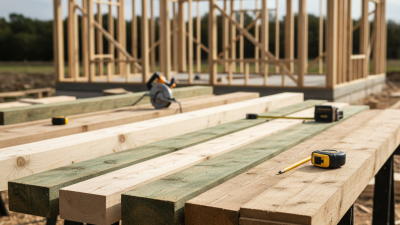
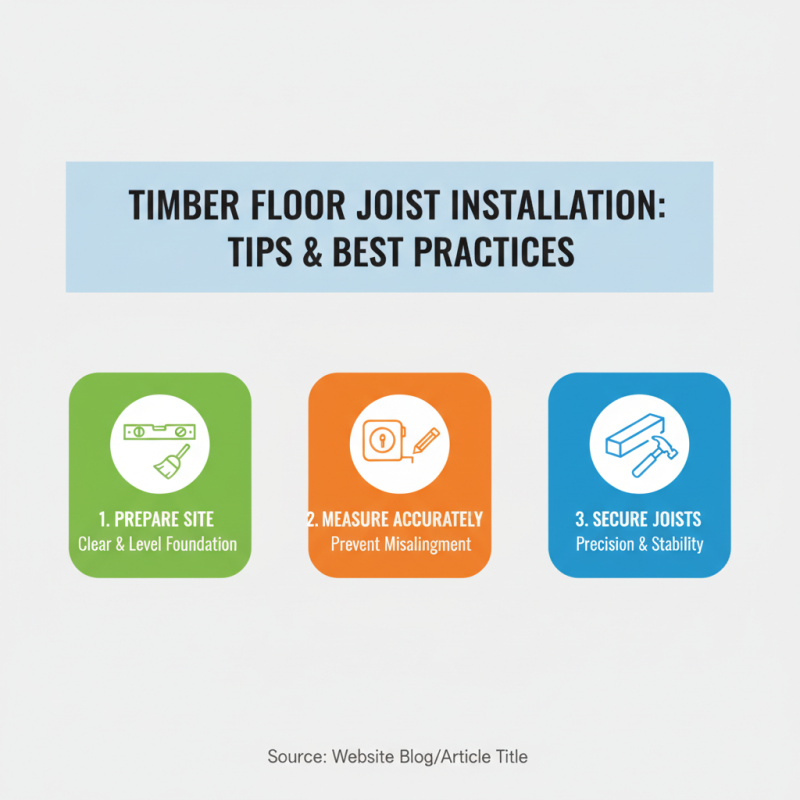
When installing timber floor joists, it’s essential to focus on precision and technique. Begin by ensuring that your site is clear and level. This foundation is critical for stability. Use a reliable measuring tape to determine where each joist will go. Accurate measurements prevent misalignments, which can be frustrating later.
Tips for a successful installation include spacing your joists correctly. Typically, a distance of 16 inches on center is effective, but specific projects may vary. This can mean adjusting for larger spans or heavier loads. It’s crucial to inspect each joist for defects, as a weak joist can compromise the entire floor. Not taking the time to assess can lead to costly repairs.
Another important tip involves securing the joists properly. Using appropriate fasteners and ensuring each connection is tight can prevent squeaks and movement. The environment can also affect your installation; damp timber may expand. So, don’t rush the process. Always double-check your work. The details matter here, as they contribute to the overall integrity of your floor. Minor oversights can lead to significant issues down the line. Careful attention is key for lasting quality.