Top 10 Flooring Lumber Options for Your Home Renovation?
When renovating your home, choosing the right Flooring Lumber is essential. The flooring can dramatically change a space's look and feel. However, selecting the perfect type isn't straightforward. Each lumber option offers unique benefits and challenges.
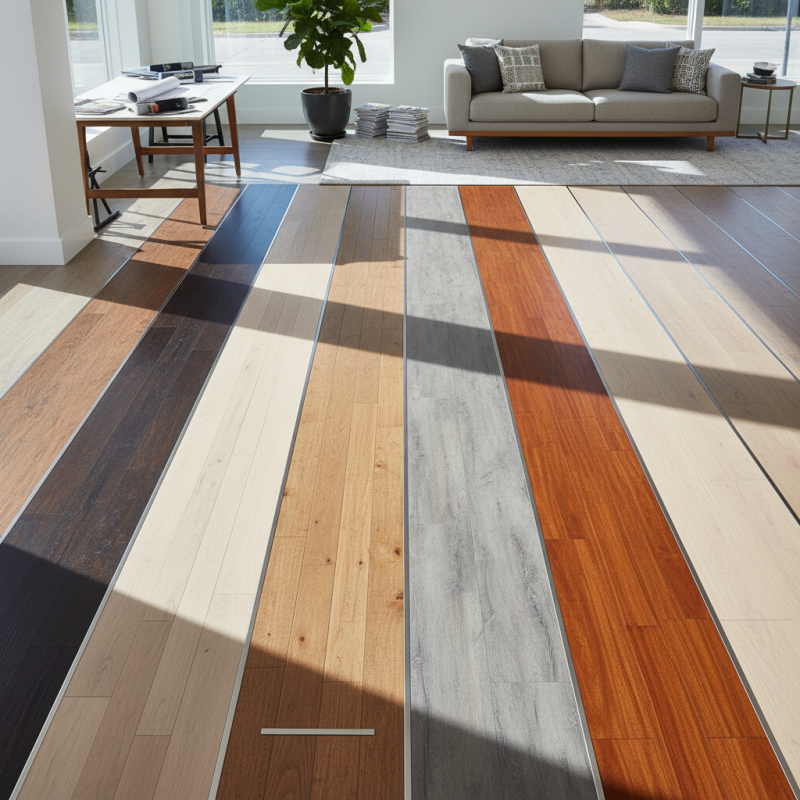
Hardwood, laminate, and engineered wood are popular choices. Hardwood brings timeless beauty but can be costly and requires maintenance. Laminate offers affordability and ease of care, but it may not provide the same warmth. Engineered wood combines aesthetics with stability, yet it can pose issues if water damage occurs.
Consider durability, aesthetics, and budget when making your choice. Each Flooring Lumber option has pros and cons that could affect your renovation project. Think about how each choice will fit your lifestyle and home environment. It's worth taking time to explore these options for a successful transformation.
Types of Flooring Lumber: An Overview of Materials
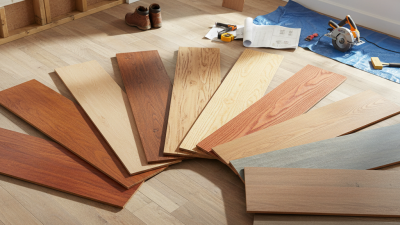
When considering flooring options, various materials come into play.
Hardwood is often a favorite. It brings warmth and elegance to any space.
However, it can be pricey. Maintenance is another concern; scratches show easily.
Laminate is a more budget-friendly choice. It mimics wood but is often less durable.
You may find it looks great initially, but signs of wear appear quickly.
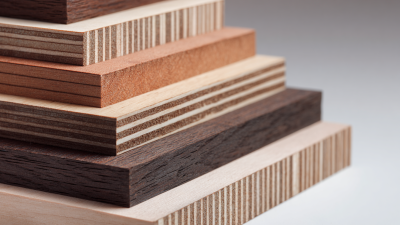
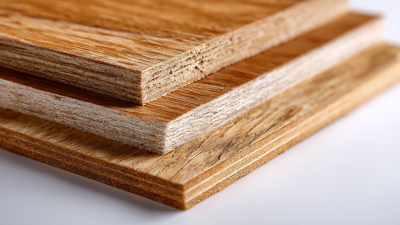
Engineered wood combines layers for strength. It’s more stable than solid wood but still requires some care.
Vinyl deserves attention as well. It’s water-resistant and easy to clean.
Families with kids or pets often find it ideal. The downside? It can feel less authentic compared to wood.
Lastly, bamboo offers an eco-friendly option.
It’s a grass, not wood, so it’s sustainable. Still, quality varies, making research essential.
Hardwood Flooring: Characteristics and Benefits
Hardwood flooring stands out as a popular choice for home renovations, offering both style and durability. According to the National Wood Flooring Association, about 90% of homeowners find hardwood flooring enhances their property’s value. Its timeless appeal associates with warmth and elegance, making it a preferred option for many.
Not all hardwoods are equal, though. Some species, like oak and maple, are renowned for their durability. Meanwhile, softer woods may scratch and dent more easily. A study by the Wood Institute highlighted that homeowners need to consider their lifestyle. Families with pets or children might struggle with softer options, leading to regrets about maintenance and wear.
Installation can be straightforward, but challenges do exist. Uneven subfloors can complicate the process. Homeowners often forget to acclimate the wood, which may lead to gaps or warping. The reality is that while hardwood can be an excellent investment, it requires careful planning. Ignoring these aspects can lead to costly mistakes.
Top 10 Flooring Lumber Options for Your Home Renovation
Engineered Wood: Advantages for Home Renovation
Engineered wood has become a popular choice for home renovations. This material is made by bonding layers of wood together. It offers flexibility that traditional lumber cannot match. Homeowners appreciate its ability to withstand humidity and temperature changes. Unlike solid wood, engineered wood doesn’t warp or crack as easily. This is especially important in areas prone to moisture.
The installation process for engineered wood is also simpler. It can be glued, nailed, or floated over existing floors. This makes DIY projects more approachable. However, some individuals may overlook the need for proper underlayment. Not using it can lead to noise or uneven surfaces. Engineered wood can mimic the look of solid timber. But, not all types have the same appeal. Some varieties have a faux finish that might not satisfy everyone.
Another consideration is sustainability. Engineered wood uses less solid timber than traditional floors. This can help conserve natural resources. Nevertheless, some products may include adhesives that could off-gas. Choosing the right type is crucial for health and comfort. Overall, while engineered wood provides many advantages, careful choices must be made. Each decision during a renovation can significantly impact the outcome.
Bamboo Flooring: Sustainability and Style Options
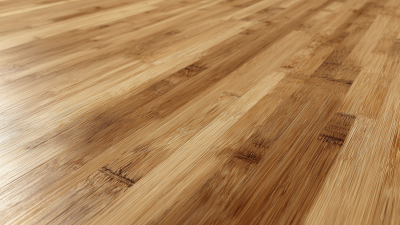
Bamboo flooring is gaining traction as a sustainable option in home renovations. Recent studies show that bamboo can grow up to 91 centimeters in just one day. This rapid growth makes it one of the most renewable resources available. Moreover, it can be harvested in three to five years, unlike hardwood trees, which may take decades to mature.
Style options abound with bamboo flooring. It comes in various finishes and colors, allowing homeowners to choose what suits their aesthetic needs. A report from the National Wood Flooring Association highlights that bamboo offers a unique look, resembling traditional hardwood while providing a modern twist. Some may worry about its durability compared to traditional options. However, high-density bamboo can withstand heavy foot traffic, making it suitable for busy households.
While bamboo flooring presents eco-friendly benefits, there are considerations to reflect on. It may not perform as well in areas with high moisture, potentially leading to warping. Additionally, some cheaper bamboo products can lack quality, posing challenges for longevity. Homeowners should conduct thorough research before making a decision. Quality matters when it comes to enjoying the beauty and sustainability of bamboo flooring.
Top 10 Flooring Lumber Options for Your Home Renovation
| Flooring Type |
Sustainability |
Durability |
Style Options |
Cost (per sq. ft.) |
| Bamboo |
Highly sustainable |
Moderate |
Natural and strand-woven |
$2.00 - $5.00 |
| Hardwood |
Sustainable if sourced responsibly |
High |
Multiple finishes and grains |
$5.00 - $15.00 |
| Laminate |
Less sustainable |
Moderate |
Variety of designs |
$1.00 - $3.00 |
| Cork |
Highly sustainable |
Moderate |
Unique textures |
$3.00 - $7.00 |
| Vinyl |
Less sustainable |
High |
Various patterns |
$2.00 - $8.00 |
| Engineered Wood |
Moderately sustainable |
High |
Diverse selections |
$4.00 - $12.00 |
| Tile |
Moderately sustainable |
Very high |
Endless designs |
$5.00 - $20.00 |
| Carpet |
Varies by material |
Low to moderate |
Wide range of colors |
$1.00 - $5.00 |
| Concrete |
Very sustainable |
Very high |
Industrial and modern |
$3.00 - $10.00 |
Vinyl Plank Flooring: Affordability and Versatility in Design
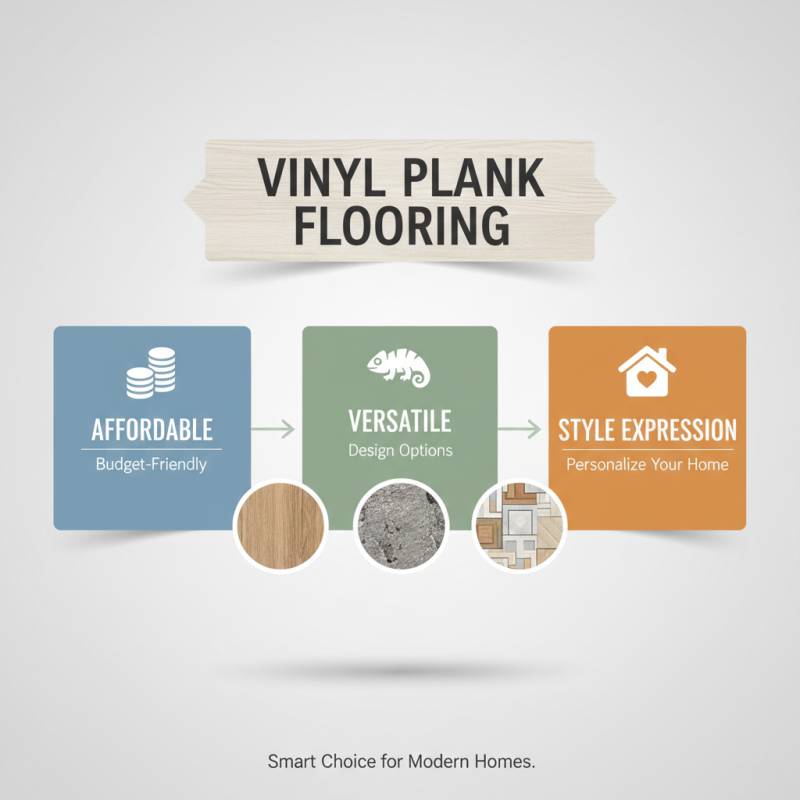
Vinyl plank flooring has become a popular choice for many homeowners. Its affordability attracts budget-conscious buyers. Furthermore, it offers versatility in design. You can find designs that mimic wood, stone, or even tiles. This variety allows homeowners to express their unique style without breaking the bank.
Installing vinyl plank flooring can be a straightforward process. However, some homeowners may underestimate the preparation needed. It's crucial to have a clean, dry surface to ensure proper adhesion. Poor installation can lead to issues over time, such as peeling or gaps. Additionally, while vinyl may be durable, it isn't invincible. Sharp objects can still cause scratches, impacting the overall look.
Maintenance of vinyl flooring is generally simple. Regular sweeping and occasional mopping are usually enough. However, some may overlook routine care, leading to premature wear. It's essential to remain vigilant and proactive. This flooring option shines best when it's well taken care of. Ultimately, vinyl plank flooring offers a blend of practicality and aesthetic appeal, making it a top contender for home renovations.