Why Structural Floor Joists are Essential for Your Home's Stability and Safety
When constructing or renovating a home, the importance of structural integrity cannot be overstated. At the heart of this integrity lies a crucial component: structural floor joists. These engineered beams are the unseen heroes of a home's infrastructure, providing the necessary support that ensures the stability and safety of a building. Structural floor joists are designed to bear the weight of walls, furniture, and occupants, while also allowing for the appropriate distribution of loads across the framework.
Without properly installed structural floor joists, a home can suffer from a host of problems, including sagging floors and even structural failure over time. This article will explore the essential role that structural floor joists play in maintaining not only the aesthetics of a home but also its overall functionality and safety. By understanding the significance of these supports, homeowners can make informed decisions about their construction and renovation projects, ensuring a secure and durable living environment for years to come.

Importance of Structural Floor Joists in Home Construction
Structural floor joists play a pivotal role in the construction and durability of homes. These horizontal supports are crucial for distributing weight evenly across the structure, preventing sagging and structural damage over time. When properly installed, they not only enhance stability but also create a solid foundation for flooring systems, allowing for safe use of living spaces above. This is particularly important in multi-story homes where the load-bearing capacity is put to the test. The materials and design of the joists directly influence the longevity and resilience of the entire building.
Furthermore, the importance of structural floor joists extends beyond mere support; they are integral to a home's safety. In the event of heavy loads or unexpected stress, well-designed joists act as a safeguard against potential collapse or failure. They help maintain the integrity of the floor system, reducing the risk of accidents caused by weakened structures. By investing in quality design and installation of floor joists, homeowners ensure a safe environment for all occupants, protecting both lives and property in the long run.
Why Structural Floor Joists are Essential for Your Home's Stability and Safety
| Dimension |
Description |
Impact on Stability |
Safety Considerations |
| Material Type |
Engineered wood, Steel, or Concrete |
Choosing the right material affects load capacity |
Incorrect material selection can lead to structural failure |
| Span Length |
Distance between supports |
Longer spans may require stronger joists |
Excessive span can lead to floor bounce |
| Joist Size |
Dimensions of individual joists |
Larger joists can carry more weight |
Inadequate sizing can compromise safety |
| Spacing |
Distance between joists |
Tighter spacing increases load distribution |
Too far apart can lead to weak spots |
| Installation Quality |
Proper alignment and fixing |
Correct installation is vital for structural integrity |
Poor installation increases risk of accidents |
How Floor Joists Contribute to Load Distribution and Stability
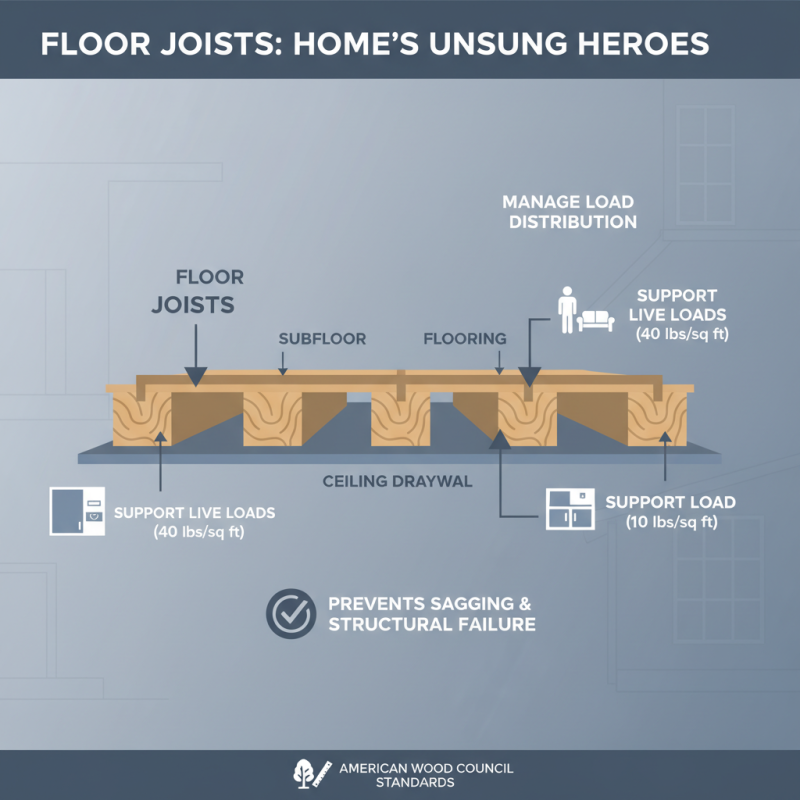
Floor joists play a critical role in a home's structural integrity and safety by effectively managing load distribution. These horizontal supports hold up the floors and ceilings, enabling your home to withstand both static and dynamic loads. According to the American Wood Council, properly sized floor joists can support up to 40 pounds per square foot of live load and 10 pounds per square foot of dead load, ensuring that the structural system distributes the weight evenly throughout the framework. This load distribution is vital for preventing areas of stress that could lead to sagging floors or even structural failure.
The significance of floor joists extends beyond mere support; they also contribute to the overall stability of the home by providing lateral bracing. When floor joists are correctly installed and spaced, they help to mitigate sway and vibration, particularly in homes located in areas prone to high winds or seismic activity. Research from the National Institute of Standards and Technology indicates that appropriate floor joist design reduces the risk of structural failure during extreme weather events by significantly enhancing the overall resilience of the building. Thus, by focusing on appropriate joist spacing and material selection, homeowners can significantly bolster their property's stability and safety.
The Role of Materials in the Strength of Floor Joists
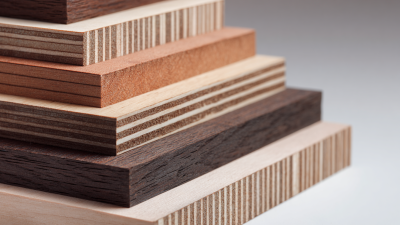
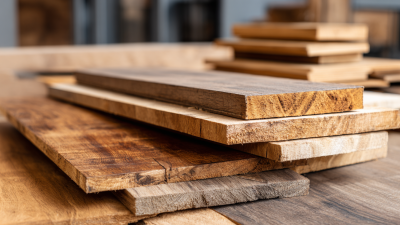
The strength and stability of floor joists are pivotal in ensuring the overall safety of a home. When discussing the role of materials in the strength of floor joists, one must consider the different materials available, including wood, engineered wood, and steel. According to a report by the American Wood Council, standard wood floor joists typically have a bending strength of around 1,600 to 2,000 psi, depending on the species and grade. This natural material provides excellent performance in residential applications due to its favorable strength-to-weight ratio, as well as its availability and ease of use.
However, engineered wood products, such as laminated veneer lumber (LVL) and I-joists, have surged in popularity for their enhanced performance characteristics. The Forest Products Laboratory reports that I-joists can support larger spans than traditional solid lumber while maintaining structural integrity, making them a top choice for contemporary building practices. Additionally, steel joists, often used in commercial applications, provide outstanding strength and durability. They can handle significant loads and resist warping over time, which is crucial for long-term stability. By selecting the right material based on the specific structural requirements of a home, builders can greatly enhance the safety and durability of floor systems, ensuring the wellbeing of occupants.
Common Issues with Floor Joists and Their Impact on Safety
Floor joists play a critical role in supporting your home's structure, but they can also be plagued by several common issues that can jeopardize both stability and safety. One prevalent problem is moisture intrusion, which can lead to wood rot and weaken the joists over time. When joists become compromised in this way, the floors above them may sag or become uneven, posing a tripping hazard and potentially damaging furniture and appliances. Furthermore, untreated wood joists are susceptible to termite infestations, which can exacerbate structural damage and compromise the integrity of the entire home.
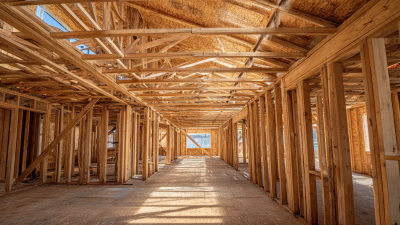
Another concern is improper installation or inadequate spacing of floor joists. If joists are spaced too far apart or not properly anchored, they may not provide the necessary support for the flooring above. This can lead to excessive bounce or flexing under weight, making walking across the floors an uncomfortable experience. In extreme cases, this can cause significant failure in the flooring system, increasing the risk of accidents and injuries. Regular inspections and proper maintenance of floor joists are essential to prevent these issues, ensuring a safe and stable living environment for you and your family.
Best Practices for Maintaining and Inspecting Floor Joists
Maintaining and inspecting floor joists is crucial for ensuring the long-term stability and safety of your home. According to the American Wood Council, properly maintained floor joists can provide a solid supporting structure that effectively distributes the weight of the floor above. Regular inspections can help identify potential issues such as moisture damage, pest infestations, or structural wear before they escalate into significant problems. Homeowners should aim to inspect their floor joists at least once a year, looking for signs of sagging, cracking, or unevenness, which could indicate underlying structural concerns.
Best practices for maintaining floor joists include controlling moisture levels in the basement or crawl space, as excessive humidity can lead to wood rot and decay. The U.S. Department of Housing and Urban Development recommends keeping the relative humidity in these areas below 60%. Additionally, ensuring proper ventilation can prevent mold growth and extend the lifespan of the joists. Utilizing a moisture meter can also help homeowners monitor moisture levels effectively. Regularly clearing debris and ensuring that insulation is not obstructing airflow around the joists can further enhance their durability and performance, safeguarding the overall integrity of the home.
Importance of Floor Joists for Stability and Safety
This chart illustrates the weight capacity of different floor joist sizes. Understanding these capacities is crucial for ensuring the structural integrity of your home. Regular inspection and maintenance of floor joists can prevent structural failures and enhance safety.