What is Plastic Laminated Plywood and Its Benefits?
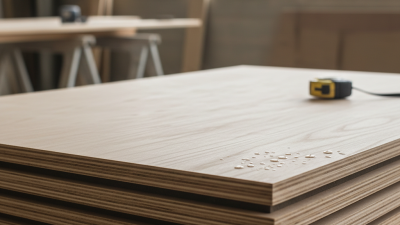
Plastic Laminated Plywood has emerged as a popular choice in modern construction and design. This innovative material combines the durability of plywood with a protective plastic layer. This unique combination offers both aesthetic and functional benefits that appeal to various industries. Designers and builders value its versatility and ease of use.
Understanding the advantages of Plastic Laminated Plywood is essential for making informed choices. Its high resistance to moisture and scratches makes it suitable for both indoor and outdoor applications. Furthermore, it is lightweight yet strong, ideal for furniture and cabinetry. The variety of finishes available allows for endless design possibilities. However, it's crucial to consider environmental impacts and sourcing practices related to the production of laminated materials.
The market has seen considerable interest in Plastic Laminated Plywood. Yet, awareness of its limitations is equally important. Over time, the protective layer may wear down, affecting its longevity and aesthetic appeal. Recognizing these factors can lead to better decisions about this material's use in projects. Hence, a holistic understanding of Plastic Laminated Plywood, including its benefits and challenges, is vital.
What is Plastic Laminated Plywood and Its Composition Attributes?
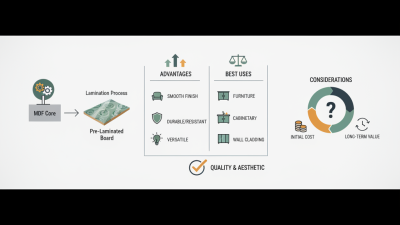
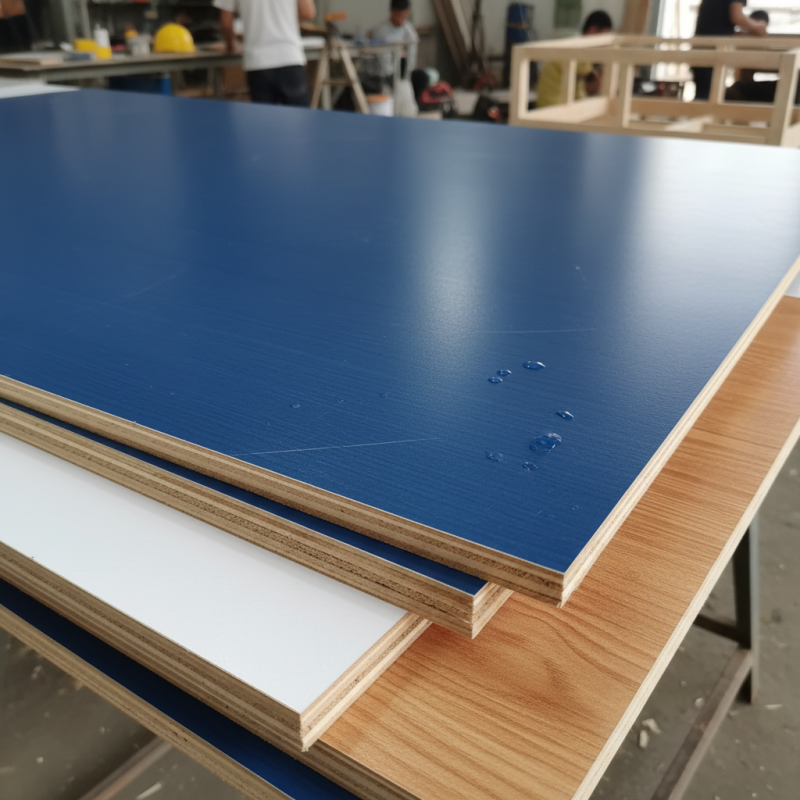
Plastic laminated plywood is a unique material that combines the strength of plywood with a protective plastic layer. This layered structure enhances its durability and resistance to moisture and stains. The core of the plywood is usually made from high-quality wood veneers, bonded together under heat and pressure. The outer plastic layer, often composed of thermoplastics, provides an additional shield against scratches.
This composition offers several advantages. Plastic laminated plywood is easy to clean and maintain. Spills can be wiped away without leaving marks. The surface resists wear and tear from daily use. It is lightweight yet strong, making it suitable for various applications. However, the production process involves synthetic materials, raising concerns about environmental impact. Choosing responsibly sourced plywood can mitigate some of these issues. It's essential to weigh the benefits against the ecological footprint.
Such plywood is popular in furniture making and cabinetry. Its versatility allows for diverse design possibilities. Custom colors and finishes can match different interior styles. Yet, it may not perform well in extreme temperature conditions. This limitation is worth considering when selecting materials for specific environments. Understanding these aspects can guide better decision-making for your projects.
Key Manufacturing Processes of Plastic Laminated Plywood in Industry
Plastic laminated plywood is gaining popularity in various industries due to its unique properties and benefits. The manufacturing process involves multiple steps, including substrate preparation, adhesive application, and lamination.
In the substrate preparation phase, quality plywood is selected. Untreated wood may lead to problems later, such as warping or delamination. Once the substrate is ready, a suitable adhesive is applied to ensure strong bonding. This process requires precision to achieve the best results.
During lamination, multiple layers of plastic film are fused onto the plywood. This not only enhances the aesthetic appeal but also improves durability. It's worth noting that some manufacturers may skip quality checks in a hurry. This can lead to vulnerabilities in the final product.
Tips: Always choose high-quality materials during production. This can significantly impact overall performance. Regular inspections throughout the manufacturing process can help catch flaws early. Keep an open mind about new technologies in lamination for better solutions.
What is Plastic Laminated Plywood and Its Benefits?
| Feature |
Description |
| Water Resistance |
Plastic laminated plywood is resistant to moisture, making it ideal for high-humidity environments. |
| Durability |
It provides excellent strength and can withstand heavy loads, suitable for both residential and commercial applications. |
| Aesthetic Variety |
Available in various colors and finishes, allowing for versatile design options. |
| Ease of Maintenance |
Requires minimal upkeep and can be easily cleaned with a damp cloth. |
| Eco-Friendly Options |
Sustainable sources are available, reducing environmental impact compared to traditional plywood. |
| Key Manufacturing Processes |
Involves layers of plywood being bonded with plastic laminate using heat and pressure. |
Advantages of Plastic Laminated Plywood Over Traditional Materials
Plastic laminated plywood has gained popularity in construction and furniture design. This innovative material offers several distinct advantages over traditional options. One key benefit is its durability. The plastic laminate makes it resistant to moisture and stains. This quality extends the lifespan of products made from this material. Furthermore, its surfaces are easy to clean, which is especially useful in high-traffic areas.
Aesthetic appeal also plays an important role in its advantages. Plastic laminated plywood comes in various colors and designs. This versatility allows for creative expression in homes and offices. Designers can choose from a wide range of textures and finishes. It's surprising how this material can mimic the look of natural wood without the associated maintenance.
Tips: When selecting plastic laminated plywood, consider the thickness. Thicker sheets are generally more durable. It’s advisable to test samples before making large purchases. Additionally, measure your space well to maximize materials and avoid waste. Reflect on your design choices. Sometimes, a simple design might serve your needs better than a complex one.
Benefits of Plastic Laminated Plywood Compared to Traditional Materials
Industry Applications: Where Plastic Laminated Plywood Excels
Plastic laminated plywood is versatile in various industries. Its unique properties make it particularly useful in demanding environments. For instance, it is resistant to moisture and chemicals, which is crucial in manufacturing and laboratories. This durability is not just a selling point; it's a necessity for safety and longevity in projects.
In the furniture industry, plastic laminated plywood shines. It offers a sleek finish that is easy to clean. This makes it popular for kitchen cabinets and countertops. Builders appreciate its lightweight nature and strong structural integrity. However, it is essential to consider the environmental impact. The production process should be continually evaluated.
Healthcare facilities also benefit from this material. Surface cleanliness is paramount in hospitals. Plastic laminated plywood can be easily sanitized, minimizing the risk of contamination. This feature is vital, but one must reflect on the need for responsible sourcing of materials. As industries evolve, the conversation around sustainability remains crucial.
Environmental Impact and Sustainability of Plastic Laminated Plywood
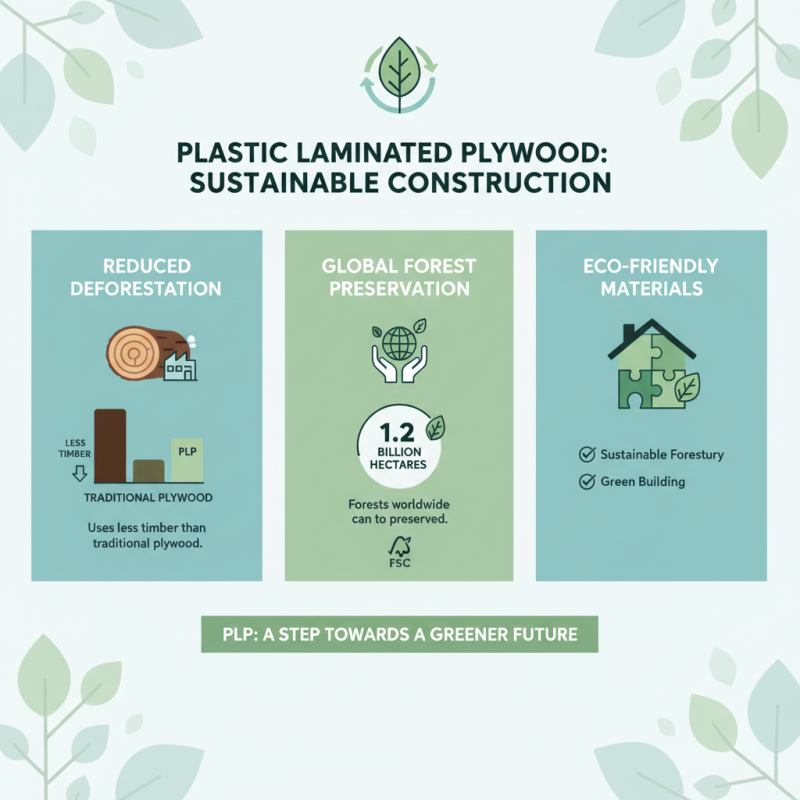
Plastic laminated plywood (PLP) is gaining momentum in sustainable construction. Its production process tends to use less timber compared to traditional plywood, which helps in reducing deforestation. According to the Forest Stewardship Council (FSC), sustainable forestry practices can help preserve about 1.2 billion hectares of forest worldwide, emphasizing the importance of adopting environmentally friendly materials.
PLP is made by bonding a plastic laminate to plywood, offering durability and resistance to moisture. This construction feature reduces the need for frequent replacements, decreasing waste over time. A report by the United Nations Environmental Programme indicates that construction and demolition waste accounts for about 30% of global waste. The longevity of PLP can therefore significantly minimize this environmental burden.
However, it's essential to consider the end-of-life impacts of plastic laminates. While PLP contributes to sustainability through longevity, improper disposal may lead to plastic pollution. Industry experts suggest that recycling options need improvement. Research indicates that only 9% of plastic waste is recycled globally. Moving forward, addressing these issues is crucial to ensure PLP maintains its promise of environmental responsibility while also improving recycling infrastructures.