Top Melamine Wood Panels Trends to Watch in 2025 for Home Decor and Design
As we look ahead to 2025, the world of interior design is poised for exciting transformations, particularly with the emergence of innovative trends in Melamine Wood Panels. These versatile and aesthetically pleasing materials have become increasingly popular among homeowners and designers alike, as they provide an ideal blend of durability and style. In recent years, Melamine Wood Panels have evolved significantly, embracing new colors, textures, and finishes that cater to a wide range of design preferences.
This article delves into the top trends associated with Melamine Wood Panels that are set to shape home decor and design in the coming years. From the rise of sustainable materials to bold color choices and intricate patterns, these trends offer a glimpse into how Melamine Wood Panels will redefine living spaces. As we explore these developments, it's essential to understand not only the visual impact of these panels but also their functional benefits in enhancing the aesthetics and usability of modern homes. Embracing these trends will allow homeowners to create spaces that are both welcoming and reflective of their personal style, making Melamine Wood Panels a focal point in contemporary interior design.

Key Characteristics of Melamine Wood Panels in Home Decor
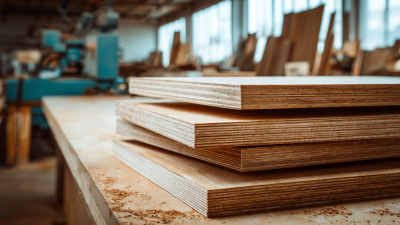
Melamine wood panels have emerged as a popular choice in home decor, owing to their versatility and aesthetic appeal. These engineered panels are crafted by applying melamine resin to composite wood substrates, offering unique benefits such as durability and moisture resistance. According to the latest market report by Research and Markets, the global demand for melamine panels is expected to grow at a compound annual growth rate (CAGR) of approximately 5.7% from 2023 to 2027. This trend highlights the increasing preference for melamine wood not only for its functional properties but also for the stylish options it provides in interior design.
Key characteristics of melamine wood panels make them ideal for various home applications. Firstly, their scratch and stain resistance ensure longevity and easy maintenance, which is highly valued in busy households. Additionally, manufacturers now offer an array of colors and textures, enabling designers to create custom looks that align with current design trends. A study by Grand View Research indicates that melamine panels are increasingly being favored for cabinetry and furniture, accounting for nearly 40% of the market share in the furniture sector. As the emphasis on sustainable design continues to rise, melamine wood panels made from recycled materials present an eco-friendly option that meets both aesthetic and environmental goals in home decor.
Emerging Color Trends for Melamine Wood Panels in 2025
As we look forward to 2025, the color trends for melamine wood panels are poised to redefine home decor and design. One emerging trend is the use of earthy tones, such as terracotta, olive green, and warm ochre. These colors evoke a sense of calm and connection to nature, making them perfect for creating cozy, inviting spaces. Homeowners are increasingly seeking environments that promote relaxation and well-being, and these natural hues can achieve that by bringing the essence of the outdoors inside.
Another noteworthy trend is the revival of bold, saturated colors. Deep blues, rich burgundies, and striking emeralds are gaining popularity for those looking to make a statement within their interiors. These vibrant colors can be used as accents or in larger areas, allowing for a perfect balance between sophistication and personality. When paired with neutral furnishings or other natural elements, these colors can create a dynamic visual impact, ensuring that spaces feel both modern and timeless.
As the demand for customization grows, the versatility of melamine wood panels will allow homeowners to explore these emerging color trends to suit their unique tastes and enhance their living environments.
Innovative Textures and Finishes in Melamine Wood Panel Designs
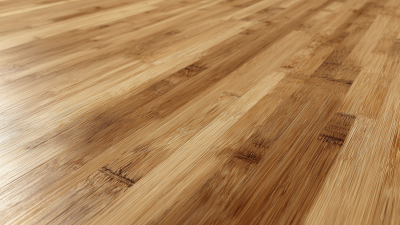
As we look toward 2025, the melamine wood panel design landscape is set to be transformed by innovative textures and finishes that not only enhance aesthetic appeal but also improve functionality. According to the latest industry reports, the global decorative laminated particleboard market is projected to grow by 5.4% annually, emphasizing the increasing demand for high-quality finishes and textures in home decor. Consumers are increasingly gravitating toward designs that simulate natural materials like wood and stone, yet offer the durability and cost-effectiveness of melamine. This shift indicates a preference for versatile products that can seamlessly integrate into various styling themes, from minimalist to rustic.
A significant trend emerging in melamine wood panel designs is the introduction of embossed textures that create a tactile experience, enhancing visual interest while maintaining practicality. Research shows that surfaces with dynamic textures not only captivate the eye but also provide a more engaging interaction for users. Additionally, advanced printing technologies allow for bespoke patterns and intricate designs, catering to personalized decor preferences. As sustainability becomes a priority, eco-friendly melamine options with low VOC emissions are gaining traction, further driving innovations in textures and finishes that align with environmentally conscious consumer choices.
Sustainable Sourcing and Eco-Friendly Melamine Wood Panel Options
As we look towards 2025, the trend of sustainable sourcing in the melamine wood panels industry is gaining significant momentum. With growing consumer awareness about environmental issues, the demand for eco-friendly materials has surged. In fact, a recent report by the Global Wood Panel Industry Association indicates that the global market for sustainable wood products is expected to reach $150 billion by 2025, reflecting a compound annual growth rate of 8.2%. This shift has prompted manufacturers to explore melamine options derived from recycled materials and sustainably harvested timber, ensuring a lower carbon footprint.
Moreover, innovation in production processes plays a pivotal role in enhancing the ecological viability of melamine wood panels. Many companies are adopting water-based adhesives that emit fewer volatile organic compounds (VOCs), thereby contributing to improved indoor air quality and a healthier living space. According to a study from the European Panel Federation, using such eco-friendly adhesives can reduce emissions by up to 70%, making a substantial impact on overall sustainability in home decor.
**Tip:** When selecting melamine wood panels for your home, look for certifications such as FSC (Forest Stewardship Council) or CARB (California Air Resources Board) compliance, which guarantee that the materials are responsibly sourced and have minimal environmental impact.
As eco-conscious design continues to reshape the home decor landscape, consumers are encouraged to prioritize products that not only meet aesthetic needs but also align with sustainable practices. Embracing melamine wood panels that offer both style and environmental responsibility can enhance your living spaces while supporting global sustainability efforts.
**Tip:** Opt for finishes that utilize low-VOC or zero-VOC technologies to ensure your home remains a healthy environment for your family and friends.
Integration of Melamine Wood Panels in Modern Interior Design Styles
The integration of melamine wood panels in modern interior design styles continues to reshape the landscape of home decor, reflecting both aesthetic appeal and practical functionality. As reported by the Wood Industry Research Association, the demand for melamine panels is projected to grow by 4.7% annually through 2025, fueled by their versatility and affordability. These panels are increasingly favored for their seamless ability to emulate the warmth of natural wood while offering a broad palette of colors and finishes that align with various design trends, from minimalist to rustic.
One notable trend is the application of melamine panels in open-concept living spaces, where the need for cohesive yet distinct areas is paramount. Designers are leveraging melamine's adaptability to create visually appealing zones that enhance the flow of the home. According to a recent survey by the Interior Design Society, over 60% of interior designers reported incorporating melamine products into their projects, citing their ease of installation and maintenance. Additionally, melamine panels can be found complementing other materials such as metal and glass, showcasing a blend that defines contemporary design aesthetics and meets the evolving preferences of homeowners looking for sustainable yet stylish solutions.
Top Melamine Wood Panels Trends to Watch in 2025