What is Hexagonal Wire Mesh and Its Uses in Construction?
hexagonal wire mesh is a versatile material widely used in construction. Its unique hexagonal shape allows for effective support and reinforcement. Builders often choose hexagonal wire mesh for various applications, including fencing, roofing, and landscaping.
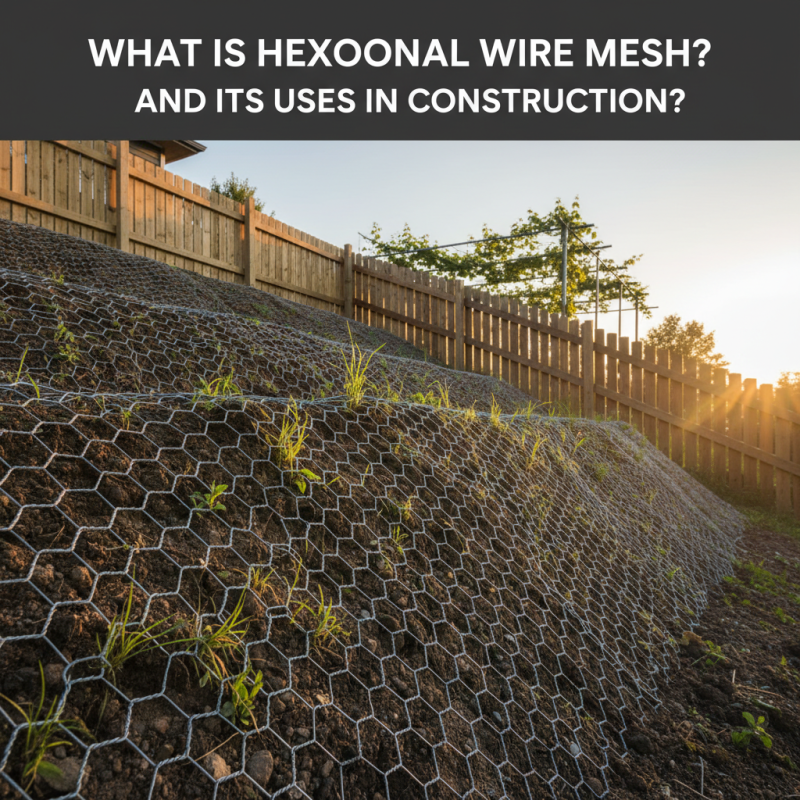
One of its main benefits is its strength. This mesh provides excellent stability, making it ideal for structures needing extra support. For example, many use hexagonal wire mesh in soil erosion control. It helps hold the soil in place while promoting vegetation growth. However, some might underestimate its potential when designing projects.
Despite its many advantages, there are challenges. Not all hexagonal wire mesh is created equal. Poor quality mesh can lead to structural issues down the line. It's essential to source reliable materials. For those considering construction options, hexagonal wire mesh deserves a closer look.
What is Hexagonal Wire Mesh?
Hexagonal wire mesh is a versatile construction material. Made from galvanized steel or stainless steel, it features a unique hexagonal pattern. This design offers enhanced strength and flexibility. It is often used in a variety of applications, including fencing, reinforcement, and landscaping.
In the construction sector, hexagonal wire mesh plays a crucial role. According to industry reports, the demand for wire mesh in construction is projected to grow by 5% annually. This growth is driven by urbanization and infrastructure development. Hexagonal wire mesh is favored for its durability and corrosion resistance. It provides structural support in concrete projects and is lightweight for easy installation.
Despite its benefits, there are challenges. Improper installation can reduce its effectiveness. The mesh may not be suitable for all soil types, which impacts stability. Additionally, some users overlook maintenance, leading to deterioration over time. These factors are essential to consider for long-lasting applications.
What is Hexagonal Wire Mesh and Its Uses in Construction?
| Dimension | Material | Wire Diameter | Mesh Size | Common Uses |
| 1m x 50m | Galvanized Steel | 2.0 mm | 50 mm | Fencing, Animal Enclosures |
| 2m x 25m | Stainless Steel | 1.5 mm | 30 mm | Garden Borders, Decorative Mesh |
| 1.5m x 10m | PVC Coated Steel | 1.0 mm | 20 mm | Construction, Strengthening Structures |
| 3m x 50m | Galvanized Steel | 2.5 mm | 100 mm | Construction Sites, Silt Fences |
Manufacturing Process of Hexagonal Wire Mesh
Hexagonal wire mesh is an innovative material used in various construction projects. The manufacturing process of hexagonal wire mesh involves several key steps. Initially, high-quality steel wires are selected for their durability and strength. These wires are then twisted together to form a hexagonal pattern. This design enhances flexibility while retaining structural integrity.
After the twisting process, the mesh undergoes a treatment phase. It is often coated to prevent rust and corrosion. The coating can be galvanized or PVC, depending on the intended use. Once the coating is applied, the mesh is cut into specified sizes. This ensures that it meets the requirements of different construction projects.
**Tip:** When selecting hexagonal wire mesh, consider the coating type. Choose one that aligns with your project needs.
In some cases, manufacturers might not achieve perfect tension during the wire weaving process. This can cause weaknesses in the structure. It's essential for quality control measures to be in place to catch such issues early. Regular checks can be helpful.
**Tip:** Always request samples before making a bulk order. Testing helps identify potential flaws.
Once produced, hexagonal wire mesh finds applications in fencing, concrete reinforcement, and landscaping. The versatility of its design allows for various uses in the construction industry. Each application may require slight modifications, emphasizing the need for careful planning.
Hexagonal Wire Mesh Usage in Construction
Common Applications in Construction
Hexagonal wire mesh is gaining popularity in the construction industry. Its unique shape and structure offer several practical applications. According to industry research, demand for this material has grown by about 15% over the past three years.
One common application of hexagonal wire mesh is in reinforcement. It can effectively stabilize soil in construction sites. Engineers often use it to prevent erosion around foundations and roadways. In some cases, this mesh is also used in the construction of cages for plastered walls. However, its effectiveness can vary depending on local soil conditions and moisture levels.
Another area where hexagonal wire mesh is utilized is in fencing. It's a cost-effective solution for securing properties. Many builders prefer it because it provides visibility while ensuring safety. Despite its benefits, maintenance can be a concern. Over time, exposure to elements can lead to rusting or degradation. This requires regular inspections and possible replacements, which some may overlook.
Advantages of Using Hexagonal Wire Mesh
Hexagonal wire mesh is a versatile material widely used in construction. Its unique hexagonal shape offers superior flexibility and strength. This mesh is often utilized in various applications, from reinforcing concrete to creating enclosures for landscaping projects. The mesh allows for optimal drainage while providing structural integrity.
Advantages of using hexagonal wire mesh are significant. One major benefit is its lightweight nature. This makes transportation and installation more manageable compared to heavier materials. Data from construction industry reports indicates that hexagonal wire mesh can reduce labor costs by up to 25%. The ease of handling also contributes to a faster construction timeline.
Tips: When choosing hexagonal wire mesh, consider the gauge and wire strength. Thicker wires add durability but may increase costs. Adjust your choice based on project requirements.
Another advantage is its resistance to harsh weather conditions. Hexagonal wire mesh can withstand corrosion, making it suitable for outdoor applications. While many assume it is only for fences, its uses extend beyond. In some cases, improper installation can lead to structural issues. Always verify that the mesh is correctly secured to prevent future problems.
Maintenance and Durability Considerations
Hexagonal wire mesh is commonly used in construction. It provides strength and support in various applications. However, it is crucial to consider maintenance and durability for effective use.
Regular inspection is essential. Check for signs of rust or corrosion. These issues can weaken the structure over time. While hexagonal wire mesh is generally durable, exposure to moisture can accelerate deterioration. Proper installation techniques can enhance its lifespan but may require skilled labor.
Cleaning is also important. Remove debris and dirt that can accumulate on the mesh. Neglecting this can lead to unexpected failures. Nevertheless, maintenance routines can be easily overlooked. Ensure to set reminders for routine checks. It's advisable to document findings during inspections. This will help track wear and plan timely repairs.