2026 How to Choose Timber Floor Joists for Your Home?
Choosing the right Timber Floor Joists is crucial for your home's stability and comfort. These structural components support your floors and influence the overall design. Selecting them involves not just the type of wood but also their size and spacing.
You might think any timber will do, but that’s not always true. Different woods have unique characteristics that affect strength and durability. It's essential to consider how the joists will perform in your specific environment. For instance, how will moisture levels impact your floor?
Mistakes can be costly in both time and money. An incorrect choice may lead to squeaky floors or even structural failure. Researching options and seeking professional advice is advisable. Reflecting on these decisions ensures a solid foundation for your home.
Understanding the Basics of Timber Floor Joists
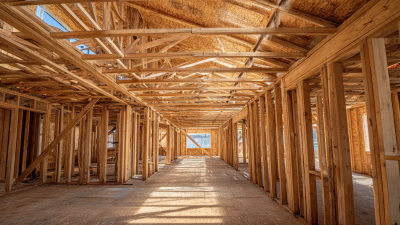
Timber floor joists are crucial in home construction. They support the entire floor structure. Understanding their basics is essential when selecting the right ones for your home. Typically, joists are made from softwood species like pine or fir. These woods are chosen for their strength-to-weight ratio, making them ideal for various applications.
Research shows that well-designed joist systems can reduce material costs by up to 15% while maintaining structural integrity. However, many homeowners overlook the joist spacing. The common spacing is either 16 or 24 inches on center, but factors like load and type of flooring matter. Too wide a span can lead to floor bounce, creating a less comfortable living space.
Choosing the right size is also critical. Joists can range from 2x6 to 2x12 dimensions. Using larger joists reduces deflection but increases costs. Not every timber is suitable for every location. Homes in damp areas may need treated wood to prevent rot. Yet, improper installation can negate these benefits. It's a balancing act that requires careful thought.
Evaluating Different Types of Timber for Floor Joists
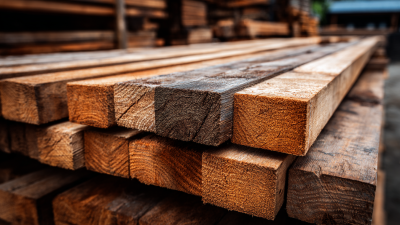
When selecting timber for floor joists, several types stand out: pine, oak, and plywood. Pine is often favored for its lightweight and cost-effectiveness. It performs well in moderate climates. However, its susceptibility to warping can be a concern. Oak, while more expensive, provides superior strength. This hardwood can offer longevity, but it requires more care in installation due to its weight.
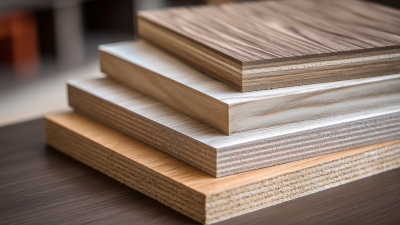
According to the Forest Products Laboratory, timber's moisture content greatly impacts its performance. Joists should ideally maintain a moisture level of 19% or lower. Improper moisture can lead to structural issues over time. Plywood is another option. It's engineered for uniformity and strength. However, its adhesive can weaken if exposed to excessive moisture.
Not all timber is created equal. Some timbers may not meet code requirements. Inspecting for knots and imperfections is vital. Timber with more defects can weaken the structure and increase maintenance needs. Make sure to evaluate each type's characteristics thoroughly before making a choice.
2026 How to Choose Timber Floor Joists for Your Home? - Evaluating Different Types of Timber for Floor Joists
| Type of Timber |
Strength Rating |
Moisture Resistance |
Cost per Cubic Meter |
Ideal Applications |
| Pine |
Medium |
Moderate |
$300 |
Residential Floors |
| Oak |
High |
High |
$600 |
High-End Homes |
| Spruce |
Low |
Low |
$250 |
Temporary Structures |
| Birch |
Medium |
Moderate |
$400 |
Residential and Commercial Floors |
| Teak |
Very High |
Very High |
$800 |
Luxury Installations |
Determining the Right Size and Span for Your Joists
Choosing the right timber floor joists is crucial for any home. When determining the appropriate size and span for your joists, consider both the material and your home’s layout. According to the American Wood Council, typical joist spans can range from 12 to 24 inches, depending on the joist's thickness and spacing. A well-supported span reduces the risk of sagging.
The size of your joists impacts durability. Thicker joists tend to bear more weight and provide better support. For example, 2x10 joists can typically span up to 18 feet, while 2x8 joists may only span 16 feet. Always consult local building codes. This ensures your choices align with safety standards.
Tip: If your floor will bear heavy appliances, opt for larger joists. Additionally, ensure you account for any additional weight from flooring materials.
Selecting the wrong size could lead to structural problems. Make sure to evaluate your space carefully before making a decision. Even small mistakes in measurements can cause issues later on.
Tip: When in doubt, consult a professional. They can offer insights tailored to your specific needs.
Assessing Load-Bearing Requirements and Building Codes
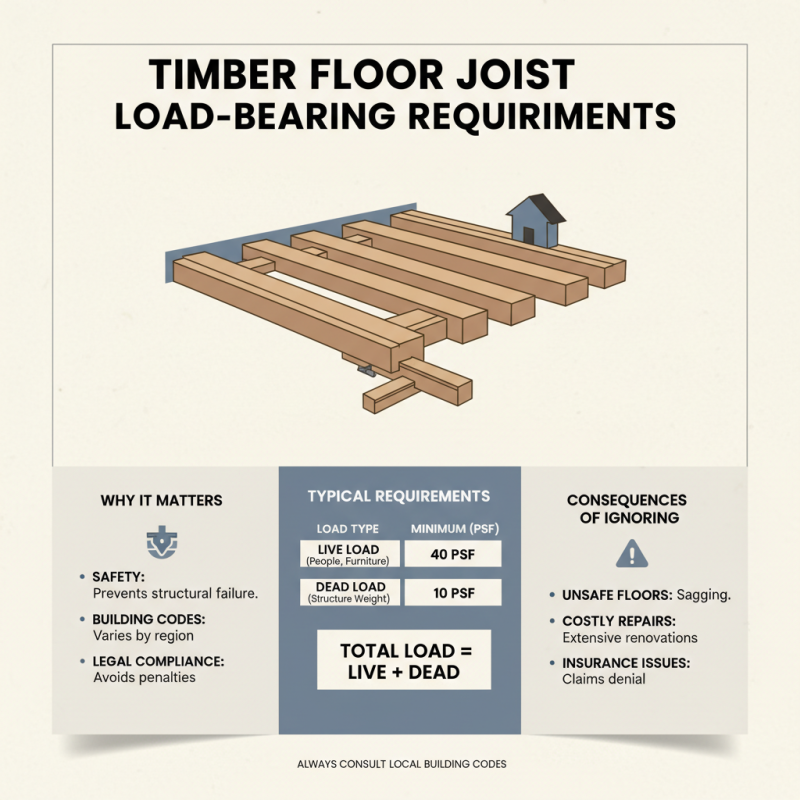
When it comes to choosing timber floor joists, understanding load-bearing requirements is crucial. Building codes vary by region, but they typically dictate the minimum load capacity. For instance, many areas require joists to support at least 40 pounds per square foot (psf) for live loads and 10 psf for dead loads. Ignoring these specifications can create unsafe conditions in your home.
Tips: Always consult local building codes before making any decisions.
Another important aspect is the span of the joists. A common guideline suggests that joists should not span more than 16 inches apart for residential flooring. This provides adequate support and minimizes the risk of sagging. However, if you're considering a larger span, using engineered wood products might be necessary. Many builders overlook this option, which can lead to future issues.
Tips: Measure your space carefully before purchasing materials.
Lastly, wood species play a role in the strength of your joists. Common choices include pine, fir, and spruce, each with unique properties. Pine is often less expensive but may not support heavy loads as effectively as fir. It’s vital to weigh cost against performance when making your selection. Pay attention to grade labels, as they provide information about the material's strength and characteristics.
Tips: Don’t compromise on quality—choose the right material for your needs.
Tips for Installation and Maintenance of Timber Joists
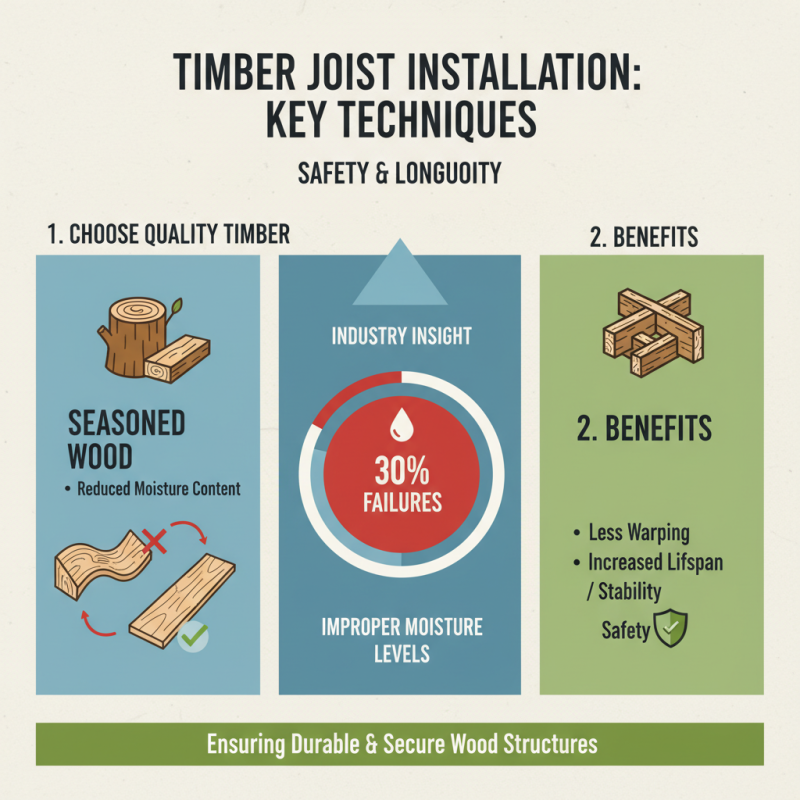
When installing timber joists, proper techniques ensure safety and longevity. Start by choosing high-quality timber. Ideally, select seasoned wood. This helps reduce moisture content and reduces the risk of warping. According to industry reports, about 30% of timber failures result from improper moisture levels.
Tips: Always measure twice before cutting. This minimizes waste and ensures accuracy.
Consider the spacing between joists. The National Timber Frame Association advises spacing of 16 to 24 inches apart depending on the load. Additionally, ensure that the joists are level to maintain a stable floor. Any slight misalignment may lead to issues over time.
Tips: Use spacers during installation. They help keep uniform gaps. Pay attention to local building codes, as they can offer valuable guidelines. A flawed installation can lead to costly repairs later. Regular inspection of floor joists is crucial. Look for signs of damage or decay, especially in humid areas. Taking proactive measures can extend the life of your timber joists.