How to Choose the Right Lumber Beams for Your Construction Project
When embarking on a construction project, one of the critical decisions that must be made is selecting the appropriate lumber beams. These foundational elements play a crucial role in ensuring the structural integrity and longevity of buildings, whether they are residential homes, commercial properties, or outdoor structures. Understanding the types of lumber beams available, their specifications, and their intended uses is essential for achieving optimal results and meeting local building codes.
The choice of lumber beams can significantly affect the load distribution, aesthetic appeal, and overall functionality of a construction project. Therefore, it is vital to consider factors such as wood species, beam dimensions, treatment methods, and environmental conditions. By carefully evaluating these aspects, builders and homeowners can make informed decisions that enhance the durability and performance of their projects. This guide will provide insights into how to navigate the selection process, ensuring that your construction initiative stands on a solid foundation with the right lumber beams.
Understanding Different Types of Lumber Beams Available for Construction
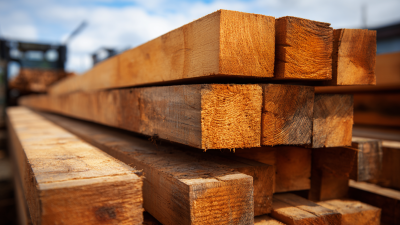
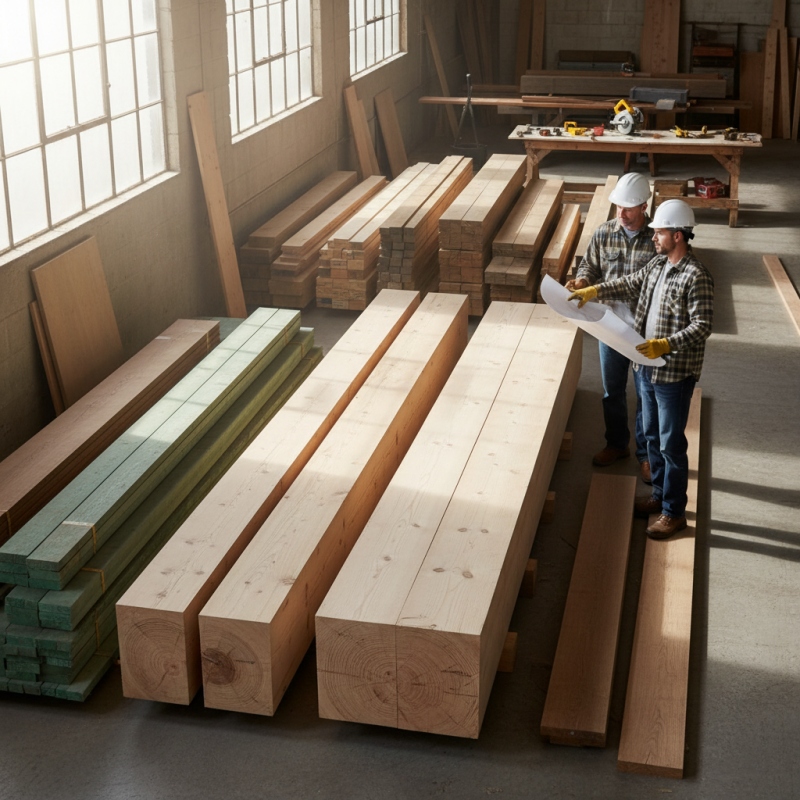
When embarking on a construction project, selecting the appropriate lumber beams is crucial for ensuring structural integrity and durability. There are several types of lumber beams available, each offering unique properties that cater to specific building needs. For instance, solid sawn lumber beams, which are cut directly from trees, are renowned for their strength and natural aesthetic. According to a report from the Wood Products Council, these beams can handle significant loads, making them ideal for residential and commercial structures alike.
In contrast, engineered lumber beams, such as laminated veneer lumber (LVL) and parallel strand lumber (PSL), present an excellent alternative for modern construction demands. These beams are manufactured by binding together wood strands, veneers, or flakes, resulting in products that are both lightweight and incredibly strong. A study by the American Wood Council highlights that engineered beams can outperform traditional solid lumber beams in terms of load-bearing capabilities and resistance to warping or splitting. This advancement allows builders to optimize material usage while ensuring safety and performance standards.
Additionally, the choice between these types can greatly depend on the specific requirements of the project, such as span length and desired load capacity. For example, while solid sawn beams might be more suitable for shorter spans in residential applications, engineered beams often serve larger commercial spaces effectively. Understanding these distinctions can empower construction professionals to make informed decisions that match their project specifications.
Evaluating the Strength and Durability of Lumber Beams
When evaluating the strength and durability of lumber beams for your construction project, it is essential to consider several key factors. First, you should examine the species of wood, as different types exhibit varying levels of strength and resilience. Hardwoods, such as oak or maple, are known for their durability and are often selected for structures that demand significant load-bearing capacity. In contrast, softwoods like pine may be more susceptible to damage but can be a cost-effective option for less critical applications. Understanding the properties of each species will help you make informed decisions.
Another critical aspect to assess is the grade of the lumber, which reflects its quality and structural integrity. Lumber is graded based on criteria such as the presence of knots, splits, and other imperfections. Higher-grade lumber beams are generally more robust and less likely to fail under stress, making them ideal for foundational work. Additionally, consider the treatment of the wood; pressure-treated lumber can enhance durability by protecting against moisture and pests, extending the lifespan of the beams in various environmental conditions. By carefully evaluating these factors, you can choose lumber beams that not only meet your project's requirements but also ensure long-term stability and safety.
How to Choose the Right Lumber Beams for Your Construction Project - Evaluating the Strength and Durability of Lumber Beams
| Lumber Type |
Strength Grade |
Durability Class |
Typical Uses |
Weight (lbs/ft^3) |
| Douglas Fir |
#1 Structural |
Durability Class 2 |
Beams, Joists, Decking |
35 |
| Southern Yellow Pine |
#2 Structural |
Durability Class 3 |
Flooring, Framing |
40 |
| Western Red Cedar |
#1 Select |
Durability Class 1 |
Outdoor Structures, Siding |
24 |
| Laminated Veneer Lumber (LVL) |
Custom |
Durability Class Not Rated |
Engineered Beams, Headers |
42 |
| Spruce-Pine-Fir |
#2 Structural |
Durability Class 3 |
Framing, Structural Parts |
29 |
Considering Environmental Factors in Lumber Beam Selection
When selecting lumber beams for construction projects, considering environmental factors is crucial for fostering sustainability. Different species of wood have varied environmental impacts, such as their growth rates, carbon sequestration capabilities, and resistance to pests. Lumber sourced from sustainably managed forests can help reduce deforestation and support biodiversity, making it an eco-friendlier choice. Additionally, opting for reclaimed or salvaged wood not only minimizes waste but also adds character to the construction while conserving natural resources.
 Moreover, the local climate should play a vital role in lumber selection. For instance, areas with high humidity may require species known for their decay resistance, while regions with extreme temperature fluctuations might benefit from beams that offer natural insulating properties. Understanding these environmental conditions allows builders to choose lumber that enhances durability and reduces the need for chemical treatments, thus further minimizing the ecological footprint. By incorporating these considerations, construction projects can contribute to a more sustainable future while ensuring structural integrity and longevity.
Calculating the Necessary Dimensions and Load Capacity
When embarking on a construction project, accurately calculating the necessary dimensions and load capacity of lumber beams is crucial for ensuring structural integrity and safety. Start by assessing the type of load the beams will need to support. Loads can be categorized as dead loads, which include the weight of the building materials and any permanent fixtures, and live loads, which consist of temporary factors like occupants and furniture. Understanding these loads will help you choose beams that are not only adequate in size but also capable of handling fluctuating stresses throughout the lifespan of the structure.
To determine the dimensions of the beams, you must consider the span they need to cover, as well as the material characteristics. The span is the distance between supports, and longer spans typically require larger and stronger beams to prevent excessive deflection. Additionally, factors such as the species of wood, its grade, and the moisture content will affect the beam's performance under load. Once these considerations are taken into account, consulting load tables or structural design codes can provide specific guidance on selecting beams that meet both the dimensional and load-bearing requirements of your project.
Identifying Cost Considerations and Budget Constraints for Lumber Beams
When planning a construction project, selecting the right lumber beams is crucial, not only for structural integrity but also for financial feasibility.
According to the National Association of Home Builders, lumber prices have experienced significant volatility, with an average increase of 70% in certain periods over the last decade. This fluctuation emphasizes the need for project managers and contractors to establish a clear budget before procurement. An informed assessment of current market trends can aid in identifying the best sources while avoiding overpaying for materials.
Budget constraints often dictate the type and quantity of lumber beams chosen for a project. A report from the American Wood Council suggests that material costs typically make up 40-60% of total project expenses. Therefore, it's beneficial to weigh the cost of various lumber options against the long-term benefits of durability and strength they may provide. Selecting engineered lumber, for instance, might require a higher initial investment, but their enhanced load-bearing capacity can reduce the need for additional supports, ultimately saving costs in labor and other materials. Effective cost analysis can lead to better decision making, ensuring the project remains within financial limits while meeting structural demands.