The Ultimate Guide to Choosing the Right Blockboard Plywood for Your Next Project
In today's competitive construction and furniture industries, choosing the right materials is crucial for ensuring quality and durability. Among the various options available, Blockboard Plywood stands out as a superior choice for many applications due to its lightweight yet robust characteristics. According to industry reports, the demand for Blockboard Plywood has seen a significant rise, projected to grow by over 6% annually through 2025, driven by its versatility in both residential and commercial projects.
Moreover, this material is favored for its excellent dimensional stability and resistance to warping. This guide aims to provide essential tips and insights into selecting the best Blockboard Plywood for your next project, ensuring that you make informed decisions that align with both aesthetic and functional requirements.
Understanding Blockboard Plywood: Types and Characteristics
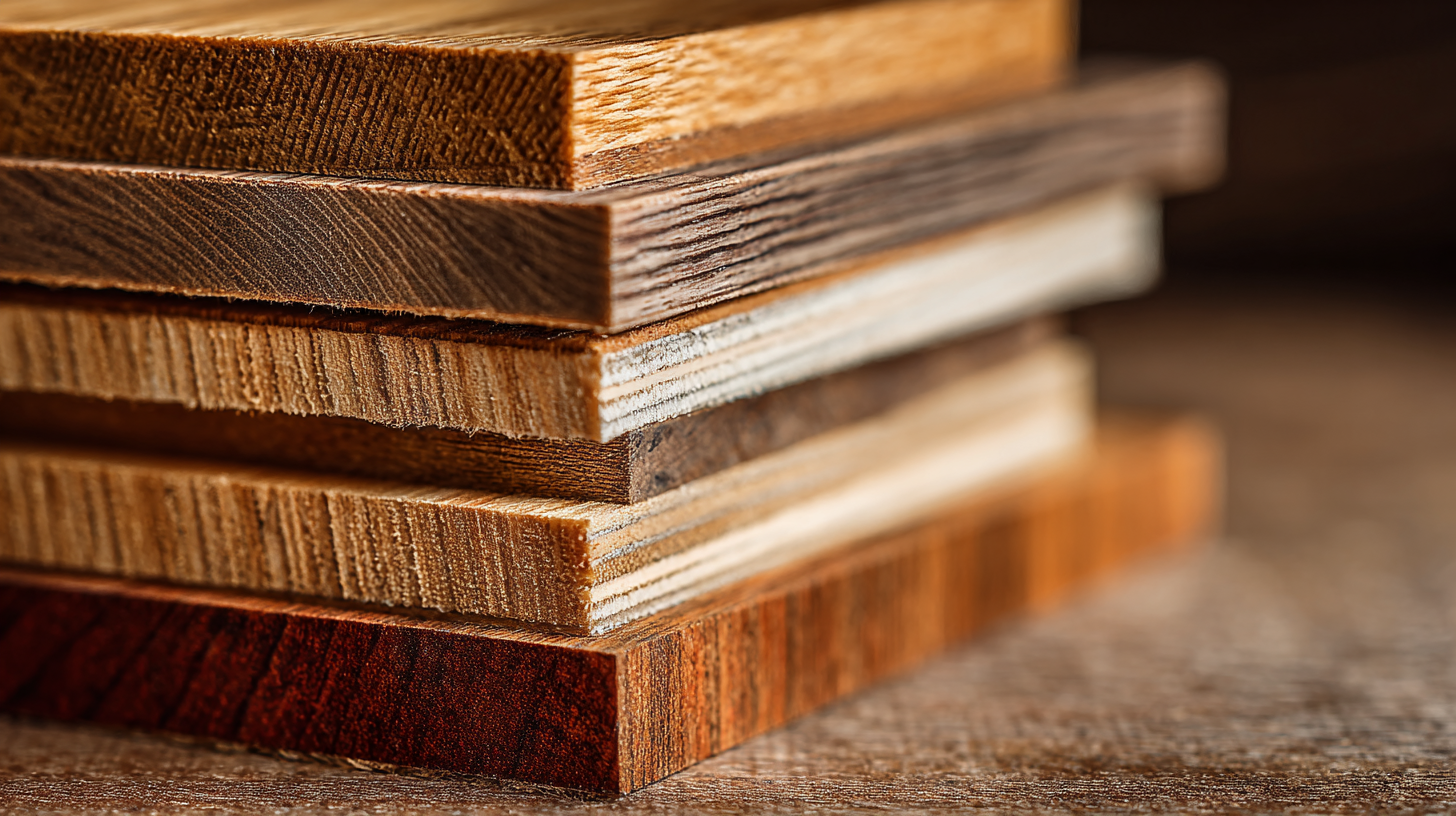
Blockboard plywood is a versatile material widely used in furniture and interior construction, known for its solid structure and excellent aesthetic appeal. To select the right type of blockboard plywood for your project, it is essential to understand the various characteristics that define its quality and performance. Typically, blockboard is made with a core of solid timber strips sandwiched between two layers of veneer. This structure provides greater strength compared to standard plywood, making it suitable for high-load applications.
According to a market report by Research and Markets, the global demand for blockboard plywood is projected to grow at a CAGR of 5.6% from 2022 to 2027, reflecting its increasing popularity among builders and designers. When choosing blockboard plywood, consider the grade and thickness. Higher-grade plywood often features a smoother surface and fewer defects, crucial for projects requiring a polished finish. Additionally, the thickness can significantly influence the board's durability and suitability for different applications; for example, 19mm boards are preferred for cabinets, while 12mm may suffice for lightweight furniture.
Moreover, blockboard plywood comes in various types, including marine and commercial grades. Marine-grade blockboard is treated to resist moisture, making it ideal for humid environments, while commercial-grade options are more economical and suit general use. The choice between these types should be guided by the specific requirements of your project, ensuring longevity and stability in the final product.
The Ultimate Guide to Choosing the Right Blockboard Plywood for Your Next Project
| Type |
Thickness (mm) |
Surface Finish |
Uses |
Characteristics |
| Standard Blockboard |
12 |
Laminated |
Furniture, Cabinets |
Lightweight, Stable |
| Waterproof Blockboard |
16 |
Melamine Coated |
Kitchen Cabinets, Bathrooms |
Water Resistant, Durable |
| Fire Retardant Blockboard |
18 |
Veneered |
Fire Escape Routes, Public Buildings |
Fire Resistant, Heavy |
| Marine Blockboard |
9 |
Natural Veneer |
Boats, Outdoor Furniture |
Highly Moisture Resistant |
| Eco-Friendly Blockboard |
12 |
Recyclable |
Sustainable Projects, Furniture |
Non-Toxic, Sustainable |
Key Factors to Consider When Choosing Blockboard Plywood
When selecting blockboard plywood for your project, several key factors must be taken into consideration to ensure you make the right choice.
First, examine the core material; high-quality blockboard typically utilizes a poplar or pine core, which offers enhanced stability and durability. This is critical as it influences the overall strength and weight of the plywood, making it suitable for various applications, including furniture making and interior partitioning.
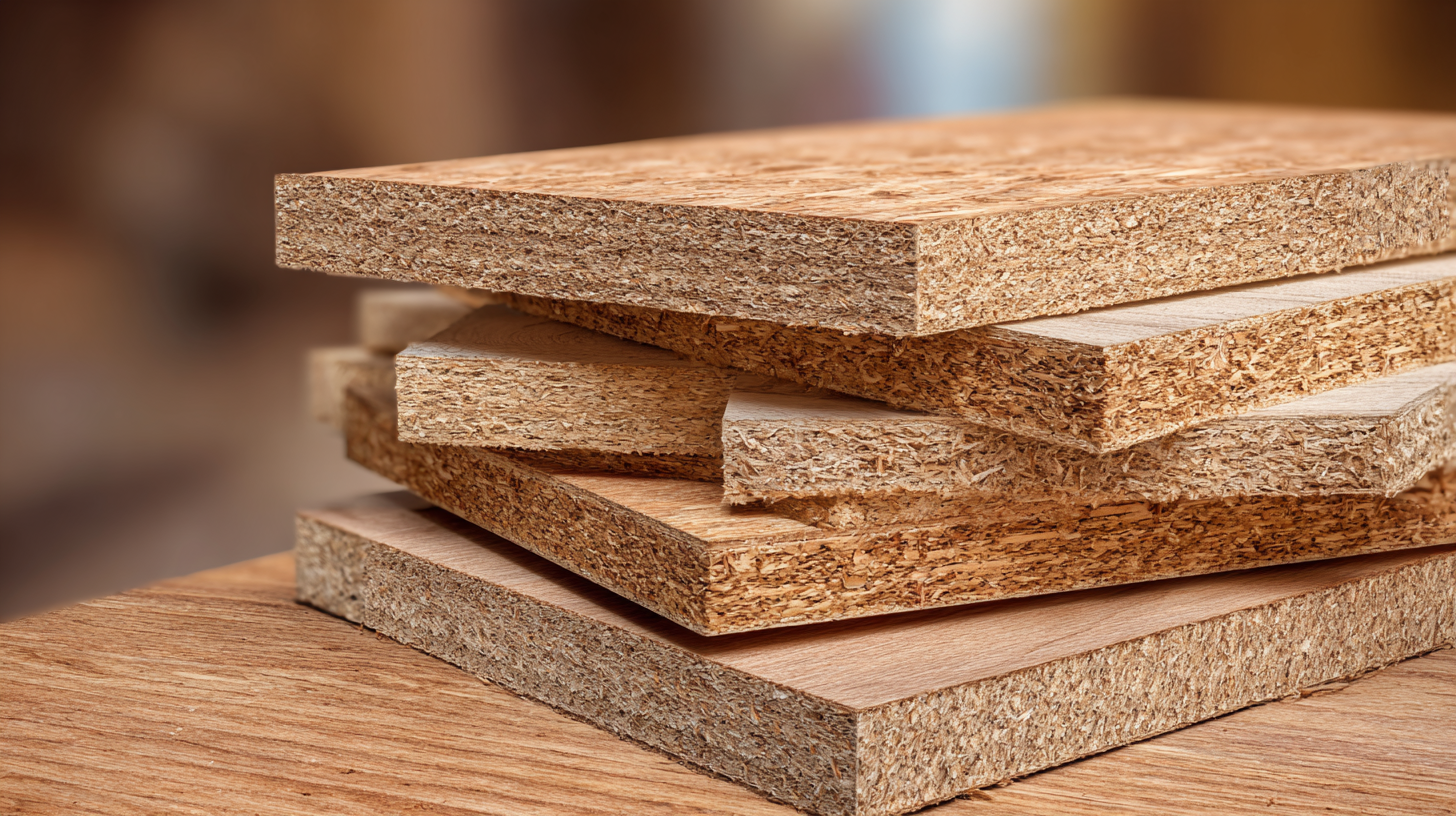
Additionally, the surface veneer plays a significant role in both aesthetics and functionality. Choose veneers that complement your design vision while also providing resistance to wear and tear.
A thicker veneer can offer better longevity, especially in high-traffic areas. Lastly, pay attention to the plywood's grading; higher-grade options tend to have fewer defects and better overall performance, making them ideal for visible applications where appearance matters.
By carefully weighing these factors, you can select blockboard plywood that not only meets your project's requirements but also enhances its overall quality and longevity.
How to Evaluate the Quality of Blockboard Plywood
When choosing blockboard plywood for your next project, evaluating its quality is crucial to ensure durability and safety. One key factor to consider is formaldehyde emission levels. Recent studies have highlighted the importance of monitoring formaldehyde emissions from various building and furnishing materials, including blockboard plywood. High levels of formaldehyde can pose health risks, so it's essential to select products with low emission ratings.
Additionally, inspecting the physical characteristics of the blockboard is vital. Look for smooth surfaces, uniform thickness, and resilience against warping or splitting. A quality blockboard should also have minimal voids or defects, which can affect its strength and longevity. By prioritizing these evaluations, you can ensure that your choice of blockboard plywood meets both aesthetic and safety standards, allowing your project to thrive.
The Ultimate Guide to Choosing the Right Blockboard Plywood for Your Next Project
This chart displays the evaluation criteria for assessing the quality of blockboard plywood based on specific metrics such as Strength, Durability, Price, and Weight.
Tips for Selecting the Right Thickness and Size for Your Project
When selecting the right thickness and size of blockboard plywood for your project, it's essential to consider the specific requirements of the application. For instance, heavier loads or structural uses typically necessitate thicker panels, such as 18mm or 25mm. Conversely, lightweight projects, like interior partitions or less load-bearing furniture, can effectively utilize thinner plywood, generally in the range of 9mm to 12mm. Assessing the durability, resistance to warping, and intended use will guide you in determining the optimal thickness.
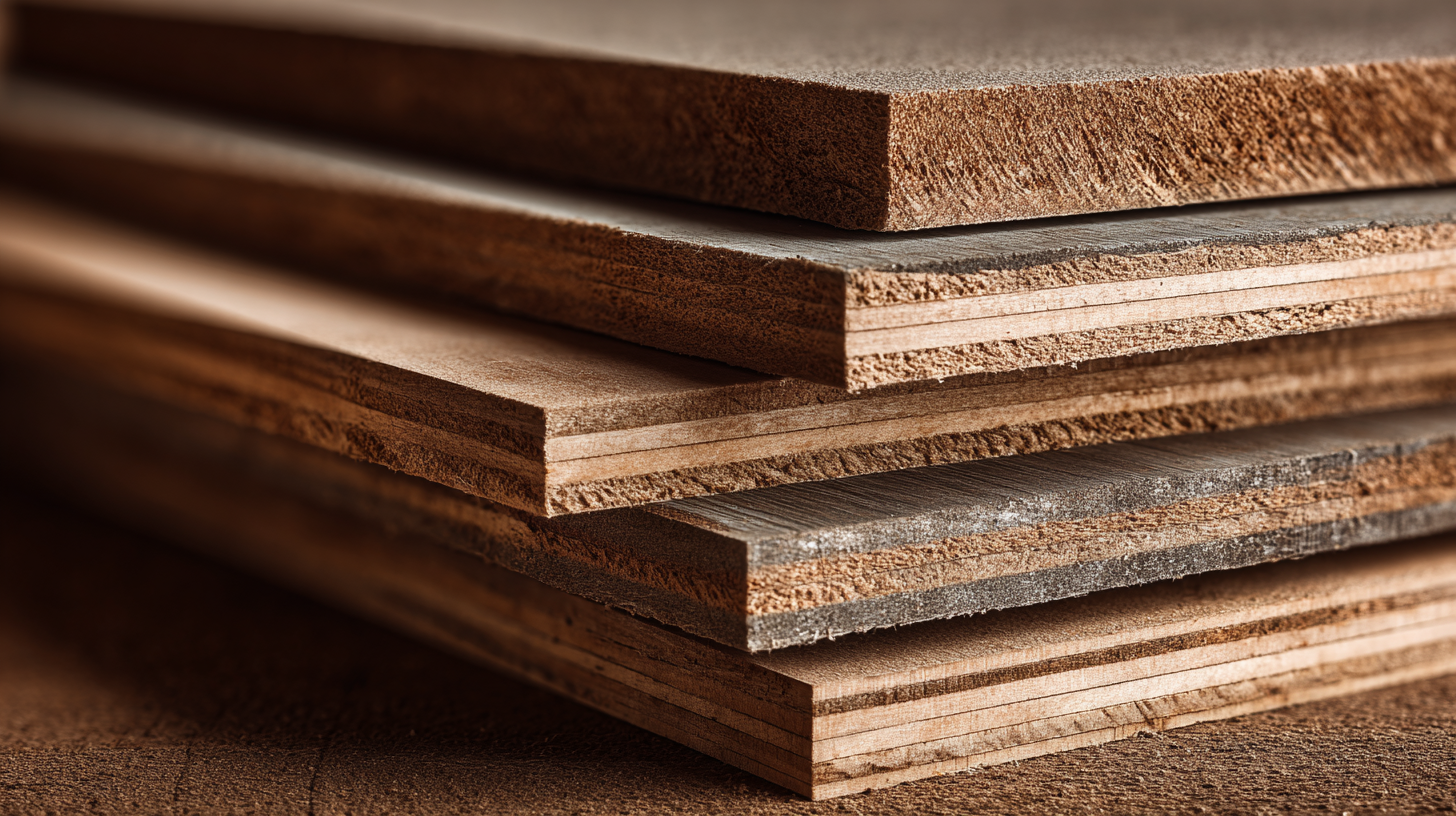
Apart from thickness, size selection plays a crucial role in achieving the desired design and functionality. Blockboard plywood comes in various dimensions, but common sheet sizes are 4x8 feet. It's important to measure your space accurately and consider how the size of the plywood will integrate into your overall project. Additionally, if you are working on a larger installation, ensuring minimal seams may improve both aesthetics and structural integrity, so opting for larger sheets could be advantageous. Always keep in mind the cutting and handling of larger pieces, as they can be cumbersome and require careful planning.
Common Applications and Uses of Blockboard Plywood in Construction
Blockboard plywood is an incredibly versatile material widely used in construction due to its unique characteristics. It consists of a core made from blockboard, sandwiched between two layers of plywood, giving it strength and durability. According to a report by MarketsandMarkets, the global plywood market is projected to reach USD 85.01 billion by 2025, highlighting the increasing demand for high-quality materials like blockboard plywood in various applications. Common uses include furniture, interior paneling, and cabinetry, where stability and lightweight properties make it an ideal choice.
When selecting blockboard plywood, it's essential to consider its resilience against environmental factors. For instance, the material is particularly favored in humid conditions due to its resistance to warping. Tip: Always choose marine-grade blockboard for projects in moisture-prone areas. Furthermore, blockboard plywood is often utilized in commercial spaces for its aesthetic appeal and ease of finishing, making it a top choice among architects and designers.
Tip: Ensure that the blockboard you select meets the specified standards for mold and moisture resistance to prolong its lifespan. Additionally, consider the thickness of the plywood; thicker boards provide added strength, which is crucial for load-bearing applications. With growing awareness of sustainable resources, opting for eco-friendly blockboard can also enhance your project's appeal, as more consumers are looking for environmentally responsible materials in construction.