How to Choose the Best Melamine Wood Panels for Your Project?
Choosing the right Melamine Wood Panels is crucial for your project. These panels are popular due to their durability and versatility. They come in various colors and textures, allowing for endless design possibilities.
When selecting Melamine Wood Panels, consider the purpose of your project. Are you building furniture or cabinets? Different applications require different thicknesses and finishes. Look for panels that match your aesthetic vision and functional needs.
It's important to reflect on the quality of the materials. Not all Melamine Wood Panels are created equal. Pay attention to the supplier’s reputation and product reviews. Investing in high-quality panels can save you from future regrets. Quality can also impact how well the panels resist wear and tear. Choose wisely to ensure a successful outcome.
Understanding Melamine Wood Panels and Their Uses
Melamine wood panels are engineered products made from resin and paper. They are popular for their durability and versatility. These panels come in various colors, patterns, and textures. This allows designers to create appealing surfaces without the cost of solid wood.
According to industry reports, the global melamine board market is expected to grow at a CAGR of 5.7% between 2021 and 2027. This growth is driven by rising demand in the furniture and interior design sectors. However, melamine panels face criticism for their environmental impact. The production process can generate harmful byproducts. This raises questions about sustainability in the industry.
When selecting melamine wood panels, consider their applications. They are used widely in kitchen cabinets, furniture, and wall panels. Thickness and finish can significantly affect durability. Research shows that thicker panels tend to resist wear better than thinner ones. Still, this can mean a trade-off in weight and cost. Balancing quality with budget is essential. Each project may require different specifications, and that’s where careful thought is needed.
Factors to Consider When Selecting Melamine Wood Panels
When selecting melamine wood panels, several factors deserve your attention. Pay close attention to the thickness of the panels. Common options range from 18mm to 25mm. Thicker panels often provide better durability but can also be heavier and more expensive. Consider the application type. Will it be used for furniture, cabinets, or wall panels? Each use may demand different panel characteristics.
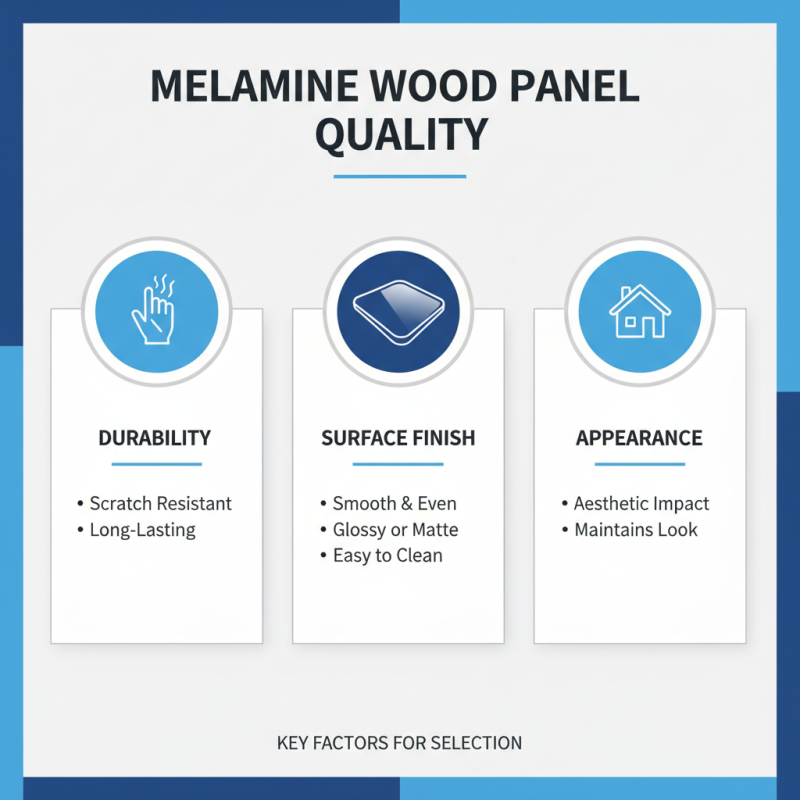
Color and texture are equally important. Melamine panels come in various finishes, from glossy to matte. A matte finish can hide fingerprints better. A glossy surface may enhance the aesthetic but will show dust more easily. Additionally, check the edge banding. Well-finished edges can improve the visual appeal and prevent chipping over time.
Finally, be mindful of environmental considerations. Some melamine panels contain formaldehyde. Low-emission options are available. They may be pricier but are worth exploring for health reasons. Consider your project's desired lifespan as well. Some panels may wear out faster, needing replacement sooner. Think carefully about these factors before making a decision. Doing so can lead to a more satisfactory outcome in your woodworking project.
Comparison of Melamine Wood Panels: Key Factors
Comparing Different Brands of Melamine Wood Panels
When comparing different brands of melamine wood panels, it’s crucial to assess thickness and finish. Thicker panels often provide better durability and resistance to wear. For example, a 1-inch panel can handle more stress compared to a 0.75-inch one. The finish also matters—some surfaces are smoother, making them easier to clean. Others may have a textured finish, which can enhance grip but might attract dust.
Colors and patterns are another factor. A vibrant pattern might suit modern designs, while wood grain finishes can complement traditional styles. Consider the application—cabinetry might require something different than shelving. It’s worth noting that not every brand offers a full range of aesthetics. Often, manufacturers focus on a few popular options, which can limit your choices.
Test samples before deciding. A panel might look great in pictures but feel different in real life. You may find that some surfaces scratch easily or absorb stains. Be mindful of these details. Sometimes, going for a less popular brand could lead to better quality. Reflecting on these aspects can lead to a more satisfying outcome in your project.
How to Choose the Best Melamine Wood Panels for Your Project? - Comparing Different Brands of Melamine Wood Panels
| Panel Thickness |
Surface Finish |
Color Options |
Retail Price (per sheet) |
Scratch Resistance |
Moisture Resistance |
| 15 mm |
Matte |
White, Black, Gray |
$35.00 |
Yes |
Moderate |
| 18 mm |
Glossy |
Oak, Maple, Walnut |
$40.00 |
High |
Good |
| 12 mm |
Textured |
Beige, Cherry, Teak |
$30.00 |
Moderate |
Low |
| 25 mm |
Satin |
Custom Colors available |
$50.00 |
Very High |
Excellent |
Sourcing and Procurement Tips for Melamine Wood Panels
When considering melamine wood panels for your project, sourcing is crucial. Industry reports indicate that nearly 60% of professionals prioritize material quality over price. High-quality melamine panels can significantly affect the durability of your final product. Look for panels that meet standard certifications like E1 for low formaldehyde emissions.
Procurement is another vital step. Understanding your supply chain can help avoid delays. Research shows that 45% of contractors experienced delays due to insufficient inventory. Establish relationships with reliable suppliers to ensure consistent availability of materials. Compare different suppliers' prices and terms, as they can vary widely.
It's essential to evaluate your project's specific needs. Melamine panels come in various thicknesses and finishes. A panel that works for one project may not suit another. Responding to changing trends can also be challenging. Keep an ear to the ground regarding design preferences in melamine finishes. Staying informed helps avoid pitfalls in your selection process.