How to Choose Bamboo Plywood Flooring for Your Home?
Bamboo Plywood Flooring has gained popularity for its sustainability and aesthetic appeal. According to the World Bamboo Organization, bamboo grows significantly faster than traditional hardwoods, reaching maturity in just three to five years. This rapid growth makes it a renewable resource, which is a critical factor for modern homeowners seeking eco-friendly options.
John Smith, a flooring expert with over 20 years of experience, states, "Bamboo Plywood Flooring offers not just beauty, but also a commitment to sustainability." This combination attracts many homeowners looking for a balance between style and environmental responsibility. The durability of bamboo flooring is noteworthy, as it is often rated higher in hardness than traditional oak.
Despite its many advantages, choosing Bamboo Plywood Flooring can be tricky. Not all bamboo products are created equal. Factors such as quality, sourcing, and treatment processes can vary greatly. Researching the right supplier is essential. Thus, consumers must remain vigilant to avoid subpar options that may not live up to their expectations.
Understanding Bamboo Plywood: Characteristics and Benefits
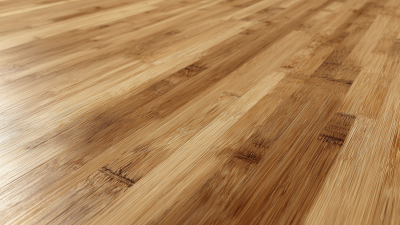
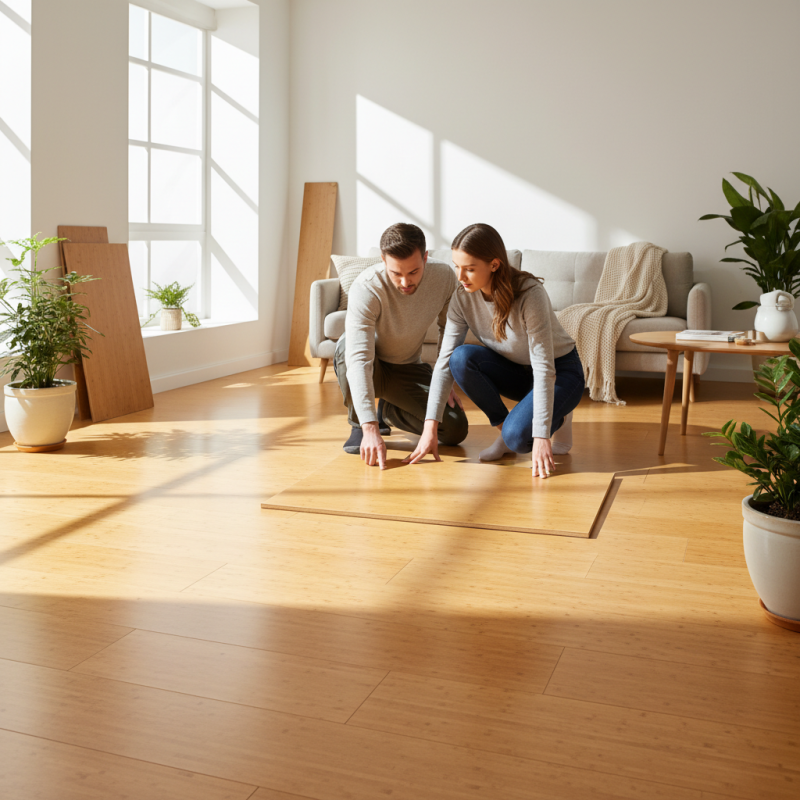
Bamboo plywood flooring is becoming popular among homeowners. This material offers a blend of strength and beauty. Its natural look fits well with various home designs. Bamboo is a fast-growing grass, making it eco-friendly. It matures in about three to five years, unlike traditional hardwoods. This rapid growth helps reduce deforestation.
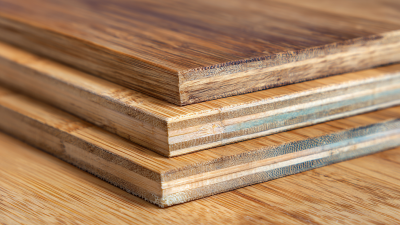
The characteristics of bamboo plywood are impressive. It is dense and durable, often more so than oak. This durability comes from its unique composition. Plus, it is resistant to warping and cracking. It also stands up well against moisture, which is essential for many rooms in a home. Its aesthetic appeal is undeniable, with varying colors and patterns available.
However, not every choice is perfect. Some bamboo products can be treated with harmful chemicals. Always choose carefully and research before buying. The installation process can also be tricky, sometimes requiring professional help. It’s important to consider the long-term care. Maintaining the finish can be a challenge. You may need to refinish and protect it regularly to keep it looking its best.
Comparative Analysis of Bamboo Plywood Flooring Characteristics
Types of Bamboo Plywood Flooring and Their Uses
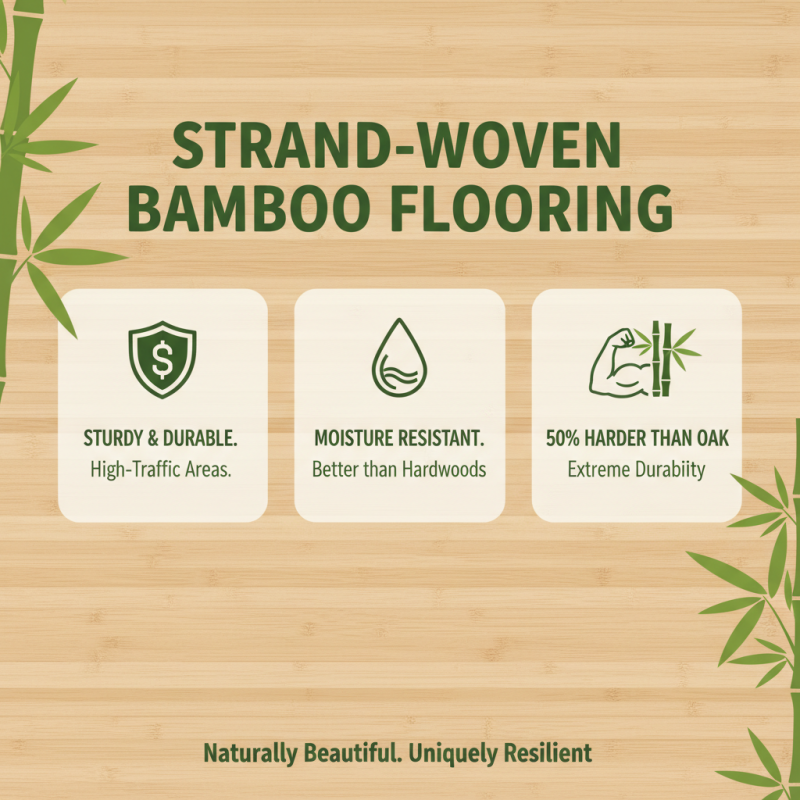
Bamboo plywood flooring offers unique varieties, each catering to different needs. Strand-woven bamboo is sturdy and durable. It is perfect for high-traffic areas. This type can withstand moisture better than traditional hardwoods. Studies show it can be up to 50% harder than oak.
Natural bamboo is another option, showcasing the wood's beautiful grain. This style adds warmth to a room, making it inviting. It's gentle on feet but may not be ideal for very damp environments. Often compared to laminate, it provides a softer touch.
**Tips:** Always consider your home's humidity before choosing. Some bamboo types can warp in excess moisture. Maintenance is crucial. Regular cleaning with a damp mop helps preserve its looks.
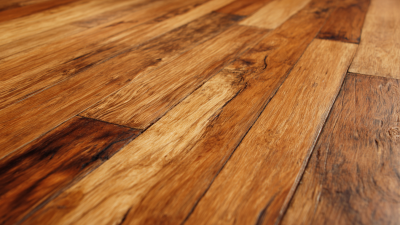
Carbonized bamboo is darker and has a unique texture. It's a great choice for modern design schemes. It may scratch more easily, but its appearance makes up for it. Keep an eye out for scratches to maintain aesthetic appeal. Choosing the right type of bamboo flooring involves understanding these subtle differences. Factors like light exposure and room usage can influence your decision significantly.
Factors to Consider When Selecting Bamboo Plywood Flooring
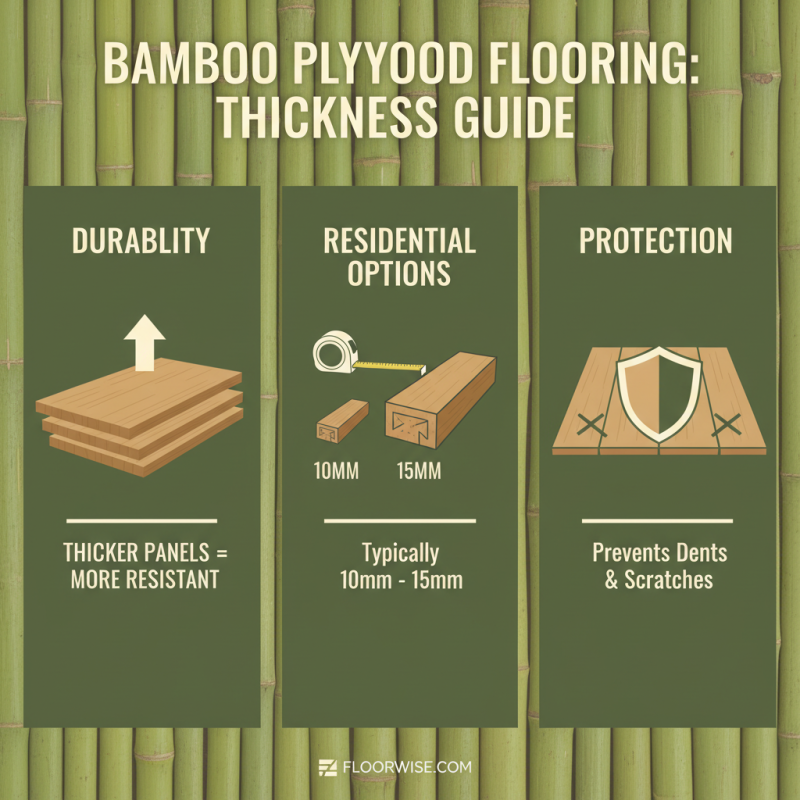
When selecting bamboo plywood flooring, several factors are crucial. The thickness of the bamboo can greatly impact its durability. Generally, thicker panels are more resistant to wear and tear. Most residential bamboo flooring options range from 10mm to 15mm in thickness. Choosing the right thickness can protect against dents and scratches.
Another important factor is the type of bamboo used. Moso bamboo is the most common choice due to its dense nature. Studies show that Moso bamboo can be up to 25% harder than oak. This makes it a favorite for high-traffic areas in homes. However, not all bamboo types are created equal. Some may not withstand moisture as well, leading to potential problems.
The finish of the flooring also plays a role in its longevity. UV-cured finishes tend to offer better resistance against scratches and fading. A report from the National Wood Flooring Association states that floors with a high-quality finish can retain their beauty longer than those with lesser grades. While bamboo is eco-friendly, choosing the wrong finish can undermine its benefits. Careful consideration of these aspects will ensure a successful flooring choice.
Installation Methods for Bamboo Plywood Flooring
When it comes to installing bamboo plywood flooring, there are several methods to consider. One popular option is the glue-down technique. This method is effective for creating a solid bond. However, it requires an even subfloor. Uneven surfaces may cause issues later on. Ensure you take the time to level your subfloor before proceeding.
Another installation method is floating floors. This option allows the planks to "float" over the underlayment, not glued or nailed down. It's easier and faster. However, this method may not provide the same stability. You might notice slight movement in high-traffic areas. It’s an important factor to ponder.
Nail-down installation is another choice. It works well but requires special expertise. You should be cautious with the nail spacing and placement. Poorly placed nails can lead to squeaks or loose planks over time. Whichever method you choose, pay close attention to the fitting. Tight fits prevent gaps that can harm the flooring’s longevity. Each technique offers unique pros and cons, so it's important to reflect on your needs.
Maintenance Tips for Longevity of Bamboo Plywood Flooring
To ensure bamboo plywood flooring lasts, proper maintenance is crucial. Regular cleaning will prevent dirt buildup. Use a soft broom or a vacuum with a hardwood floor attachment. Avoid excessive water when mopping. Moisture can damage the bamboo fibers over time, leading to warping.
Humidity control is essential for bamboo flooring. Studies show that bamboo can absorb and release moisture. The ideal indoor humidity should be between 30% and 50%. Investing in a dehumidifier can help maintain this balance. It’s important to check the flooring seasonally for any signs of wear or damage. This proactive approach can prevent bigger problems.
Routine inspection is key. Look for scratches and dents. A quick polish can fix minor imperfections. However, deeper damage may require professional repair. Using furniture pads can also minimize wear from heavy items. Consider those tips, and your bamboo flooring will age gracefully. It’s a natural material that deserves care.
How to Choose Bamboo Plywood Flooring for Your Home? - Maintenance Tips for Longevity of Bamboo Plywood Flooring
| Feature |
Details |
| Durability |
Bamboo plywood is known for its strength and resistance to dents. |
| Eco-friendliness |
Sustainably sourced and biodegradable, making it a great choice for eco-conscious homeowners. |
| Installation |
Can be installed as floating floors or glued down, offering flexibility in options. |
| Maintenance |
Regular cleaning with a soft broom or vacuum and occasional damp mopping to maintain appearance. |
| Moisture Resistance |
Good resistance to moisture; however, avoid excessive water exposure. |
| Color Options |
Available in a range of colors from natural to stained finishes. |