How to Choose the Right Wooden Floor Joists for Your Project?
Choosing the right wooden floor joists for your project can be challenging. Understanding the various types and their uses is crucial. Wooden floor joists play an essential role in supporting your floor structure. They bear the weight of everything above them, influencing the overall stability of your home.
Consider factors like the type of wood, dimensions, and spacing. Different species of wood have unique strengths and weaknesses. Pressure-treated wood resists moisture and decay, while hardwoods provide durability. The dimensions of your joists affect how much weight they can hold. Ensure you are well-informed about local building codes, as this information can save you time and money.
Reflect on any mistakes made in previous projects. Sometimes, a less popular wood type might be the best choice. Selecting wooden floor joists involves both technical knowledge and personal preference. Take your time to gather the right information. The wrong decision could compromise your project’s integrity, so choose wisely. Your floor's safety depends on it.
Factors to Consider When Selecting Wooden Floor Joists for Stability
When selecting wooden floor joists, stability is a crucial factor. The choice of joist materials directly affects the strength and longevity of your flooring system. Commonly used woods include Douglas fir and southern yellow pine, both of which offer impressive load capacities. According to the American Wood Council, a 2x10 Douglas fir joist can support up to 1,500 pounds per linear foot. This strength makes it a preferred choice for various building projects.
Tips: Always consider the span of your joists. Longer spans may require thicker joists or additional support. Consult local building codes to ensure compliance and safety.
Moisture content is another key factor affecting stability. Wood that is too dry may crack, while overly moist wood can warp. The ideal moisture content for floor joists is between 8% and 14%. Investing in a moisture meter can help assess the wood's condition before installation.
Tips: Regularly check the wood for signs of damage or decay. Early detection can save you considerable repair costs later on. Evaluate the environmental conditions where the joists will be placed, as this will impact their performance and lifespan.
Understanding Different Types of Wood and Their Load-Bearing Capacities
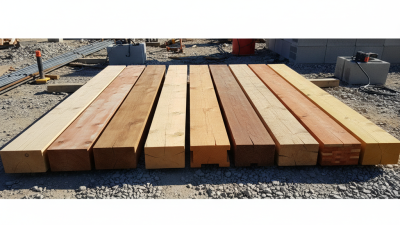
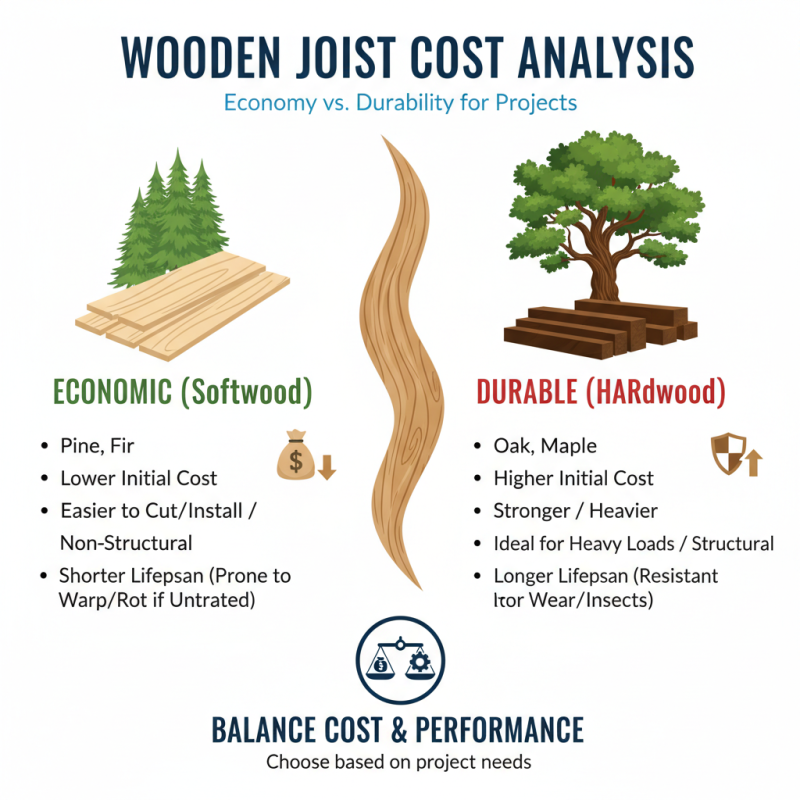
When choosing wooden floor joists, understanding the types of wood is crucial. Different woods have varying load-bearing capacities. For instance, oak is strong and durable, ideal for heavy loads. Pine, on the other hand, is lighter and easier to work with but may not support as much weight. Evaluating the load requirements of your project early helps in making informed decisions.
Consider the grain pattern and density of the wood. Hardwoods, like maple, are dense and can bear more weight. Softwoods, such as spruce, may bend under pressure but are often more affordable. Not all woods are equal, and what works for one project may not suit another. Take time to assess your specific needs.
It's important to note that factors like moisture and treatment can affect a wood's performance. Unprotected wood can warp or degrade over time. Always look for wood with a proper treatment for durability. Errors in choosing can lead to structural issues down the line. Learning about wood types ensures that your project stands the test of time.
Understanding Load-Bearing Capacities of Different Wood Types for Floor Joists
Evaluating Joist Span Requirements Based on Building Codes and Standards
When planning a building project, the choice of floor joists is crucial. Joist span requirements vary based on building codes and standards. For residential structures, joists typically span between 12 to 16 feet depending on the material used. The International Building Code (IBC) outlines specific guidelines to ensure safety and stability.
Understanding these regulations helps in selecting the right joists. For instance, wood species affects load-bearing capacity. According to the American Wood Council, Southern Yellow Pine can support larger spans than Douglas Fir. However, many projects overlook the importance of these distinctions. Using incorrect span lengths can lead to structural issues, especially under heavy loads.
Additionally, factors such as joist spacing cannot be ignored. The typical spacing ranges from 12 to 24 inches apart. Narrower spacing can provide more support but may increase costs. Balancing these elements requires careful consideration. There are instances where tighter regulations create challenges for homeowners. In these cases, consulting with a structural engineer becomes vital for ensuring compliance with local codes. The goal is to create a sturdy structure that remains safe over time.
How to Choose the Right Wooden Floor Joists for Your Project? - Evaluating Joist Span Requirements Based on Building Codes and Standards
| Joist Type |
Maximum Span (feet) |
Load Capacity (lbs/ft²) |
Recommended Spacing (inches) |
Application |
| 2x6 Lumber |
10 |
40 |
16 |
Light Floor Loads |
| 2x8 Lumber |
12 |
50 |
16 |
Residential Floors |
| 2x10 Lumber |
14 |
60 |
16 |
Heavy Loads |
| 2x12 Lumber |
16 |
70 |
16 |
Commercial Applications |
| Engineered Wood Joists |
20 |
80 |
24 |
High Load Areas |
The Importance of Moisture Content in Wood Selection for Joists
Selecting the right wooden floor joists
is a crucial step in any construction project. One key factor to consider is the moisture content in the wood. Wood is hygroscopic; it absorbs and releases moisture from the environment. This property directly affects the longevity and stability of the joists. When the moisture level is too high, the wood can warp or rot. Conversely, low moisture levels can lead to cracking and splitting over time.
Measuring moisture content is essential in the selection process. Ideal moisture content for joists typically ranges from 6% to 12%. However, achieving this balance can be tricky. Environmental factors, such as humidity and temperature, influence the wood's moisture levels. For instance, wood stored in damp conditions may develop mold, impacting its strength. Conducting moisture tests before installation can help identify potential issues.
Experience matters in understanding how moisture affects wood. Not all sources of wood provide the same moisture levels. It's essential to choose materials from reputable suppliers. Additionally, improper storage at the worksite may lead to unexpected problems. Always monitor wood conditions throughout the project. Small oversights can lead to significant challenges later on.
Prioritizing moisture content in your selection process enhances the structural integrity of your project.