Best Joists Timber Options for Your Building Projects?
When embarking on building projects, selecting the right materials is crucial. One of the most important choices is the type of joists timber used. Joists serve as the backbone of any structure, supporting floors and ceilings. Choosing the best timber for joists can enhance durability and performance.
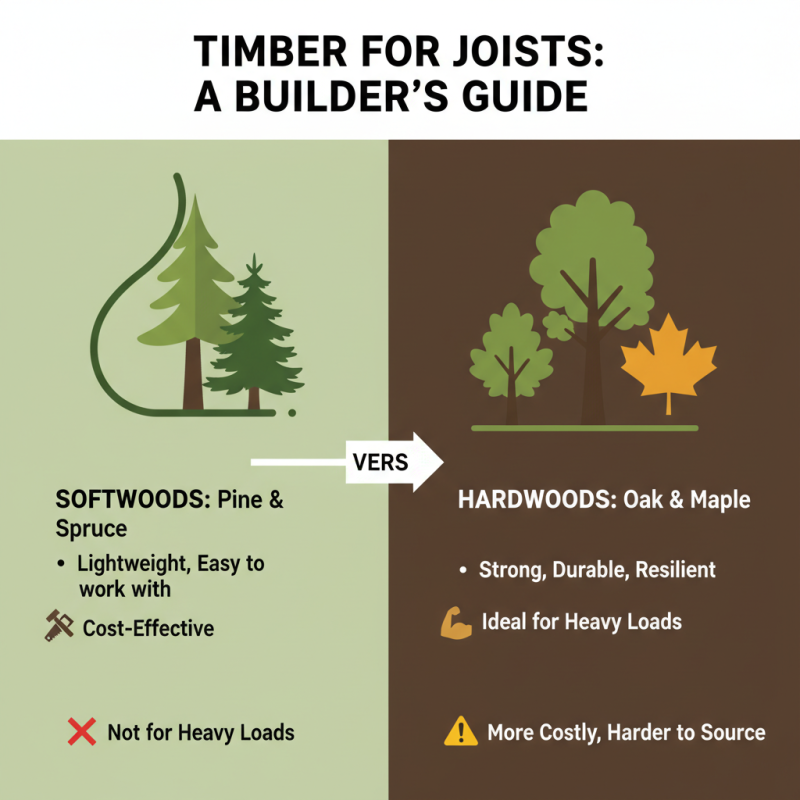
Various options exist for joists timber, each with its own advantages and drawbacks. For instance, softwood joists are popular due to their lightweight nature and cost-effectiveness. However, they may not provide the same level of strength as hardwood alternatives. On the other hand, hardwood joists offer superior strength but can be more expensive and harder to source.
It's essential to assess project requirements carefully. Do you need a sturdy structure for heavy loads? Or a lighter option for a simple design? The reality is that the ideal joists timber will often depend on specific conditions. There might not be a one-size-fits-all solution. Evaluating all options is necessary to make an informed decision. This thought process lays a solid foundation for your building's success.
Types of Timber Used for Joists in Construction Projects
When selecting timber for joists in construction, several types come into play. Softwood varieties, such as pine and spruce, are common choices. These woods are lightweight and easy to work with, making them ideal for many projects. However, they may not provide the durability needed for heavier loads. Some projects demand more resilience, so hardwood options are worth considering. Oak and maple are strong choices, but they can be more costly and harder to source.
Another option is engineered timber, like laminated veneer lumber. This choice offers excellent strength and stability. It reduces the risk of warping, which can be a common issue with traditional timber. Nevertheless, engineered timber may lack the aesthetic appeal of natural wood. Certain projects may require a blend of both types, balancing strength with visual appeal.
Timber also needs to be rated according to its structural properties. Not all joists are created equal, and understanding these ratings helps in making the right choice. Be cautious, as overlooking this detail can lead to structural failures. Reflection is key. Choosing the right timber should involve careful consideration of both practicality and design.
Key Properties to Consider When Choosing Joist Timber Options
Selecting the right timber for joists is crucial for any building project. There are several key properties to consider. Strength and durability are at the top of the list. A strong timber can support heavy loads and resist bending. But not all timbers are created equal. Some may look appealing but fail to perform under stress.
Moisture resistance is another critical factor. Different types of timber have varying levels of susceptibility to rot and decay. This can lead to costly repairs down the line. Additionally, weight is essential to evaluate. Lighter timbers are easier to handle but may not always provide the necessary strength. A balance must be struck.
Beyond technical properties, environmental impact shouldn't be overlooked. Sustainable sourcing is becoming increasingly important in construction decisions. Knowing how timber is harvested can shape your choice. Finally, always inspect for flaws like knots or cracks. Even minor defects can compromise the overall integrity of the joists. Re-evaluating your options can lead to better project outcomes.
Best Joists Timber Options for Your Building Projects
| Timber Type |
Density (kg/m³) |
Modulus of Elasticity (GPa) |
Durability Class |
Average Cost ($/m²) |
| Spruce |
400 |
10.5 |
Class 5 |
3.50 |
| Pine |
450 |
11.0 |
Class 4 |
3.00 |
| Douglas Fir |
560 |
12.5 |
Class 3 |
4.50 |
| Oak |
750 |
13.5 |
Class 2 |
6.00 |
| Teak |
750 |
14.0 |
Class 1 |
8.00 |
Comparative Analysis of Popular Timber Species for Joists
When choosing timber for joists, several species stand out. Each offers unique characteristics that can deeply impact your project. For example, Douglas Fir is commonly praised for its strength and durability. Its fine grain can add aesthetic value, but can also lead to inconsistencies in density.
Southern Yellow Pine is another option. It has a high strength-to-weight ratio, making it suitable for various applications. However, its susceptibility to warping can be a concern. If not treated properly, you may face issues down the line.
Redwood and Cedar provide natural resistance to decay. They are lightweight and easy to work with, yet they can be more expensive. Their beauty often offsets the cost, but consider whether the investment aligns with your project goals. Each timber species has pros and cons, so careful assessment is crucial for your specific needs.
Best Joists Timber Options for Your Building Projects
This chart compares the cost of different timber species commonly used for joists in building projects. As observed, oak tends to be the most expensive option, while pine is the most economical choice.
Sustainability and Environmental Impact of Joist Timber Choices
Choosing timber for joists is critical.
Sustainability should guide your decision.
The environmental impact of your choices can be significant.
Using responsibly sourced timber minimizes deforestation and reduces carbon footprints.
Forest management practices vary widely. Some timber comes from well-regulated forests. Others may contribute to habitat destruction.
Opting for certified timber ensures you're supporting eco-friendly practices.
This means carefully checking labels and certification.
Recycling and reusing existing timber can be a good option.
It reduces waste and lowers demand for new materials.
However, not all reclaimed timber is suitable for joists.
Be cautious about structural integrity.
It's essential to weigh the pros and cons before deciding.
Sustainability requires thoughtful consideration.
Make choices that promote a healthier planet.
Best Practices for Installation and Maintenance of Timber Joists
When it comes to timber joists, installation and maintenance are crucial for longevity. Start by ensuring a solid foundation for the joists. Use solid blocks for support, avoiding any movement that could weaken the structure. Pay attention to the spacing of the joists; irregular spacing can lead to sagging over time. Always consider the type of timber you’re using. Some are more resilient, but all require care.
Regular inspections are essential for timber maintenance. Look for signs of moisture damage or pest infestations. Small issues can quickly escalate if left unchecked. Seal joints and connections to prevent water ingress. Keeping the area dry will extend the lifespan of your timbers.
Even after careful planning, mistakes can happen. Maybe the joists were not level, or the wrong type of timber was selected. Such oversights can create headaches later. Document any challenges faced during installation and learn from them. Each project offers opportunities for improvement in future endeavors. Embrace the learning process while working with timber.