Best Joists Timber Options for Your Construction Needs?
When embarking on a construction project, selecting the right materials is crucial. Joists timber plays a significant role in any structural design. It provides essential support and stability. With various timber options available, making the right choice can be overwhelming.
Consider the environment where the joists will be installed. Different timber types offer varying levels of durability and resistance. For example, treated timber excels in resisting moisture, while some hardwoods might offer superior strength. However, one must reflect on the sourcing and sustainability of these materials. The wrong choice can lead to future problems.
Additionally, cost must be factored in. While some timber options may seem appealing due to their initial low price, their long-term performance often dictates overall value. Balancing quality and budget is essential. Remember, investing wisely in joists timber can truly impact the longevity of your construction project.
Understanding Joists: Definition and Purpose in Construction
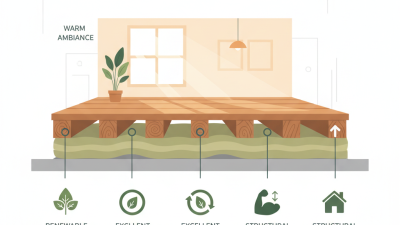
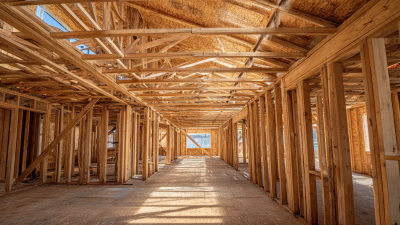
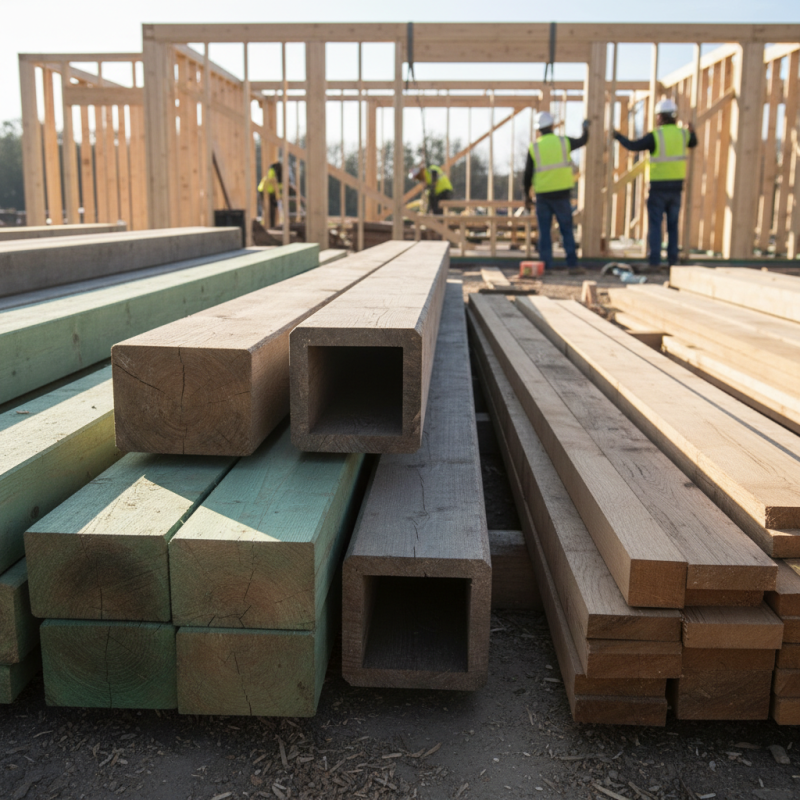
Joists are vital components in construction. They act as support beams for floors and ceilings. Understanding their role helps in making smart choices. A joist's primary purpose is to distribute weight evenly. This prevents sagging and structural issues over time. With proper installation, they enhance a building’s stability.
There are different types of materials used for joists. Wooden, steel, and engineered options offer various benefits. Wooden joists provide natural aesthetics and are often more affordable. However, they may be prone to warping or insect damage. Steel joists offer strength but can be expensive. Engineered wood combines the best of both worlds. It can be a more reliable option.
Choosing the right joist requires careful thought. Consider the load you need to support. Also, think about the environment where your structure stands. A damp area may not be ideal for wood. Reflecting on these aspects now can save problems later. Each choice comes with its own set of challenges, so weigh them wisely.
Types of Timber Used for Joists: An Overview of Options
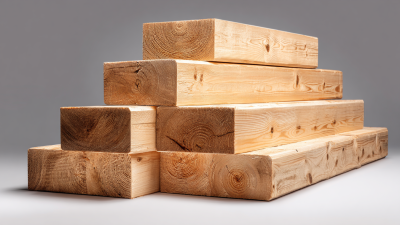
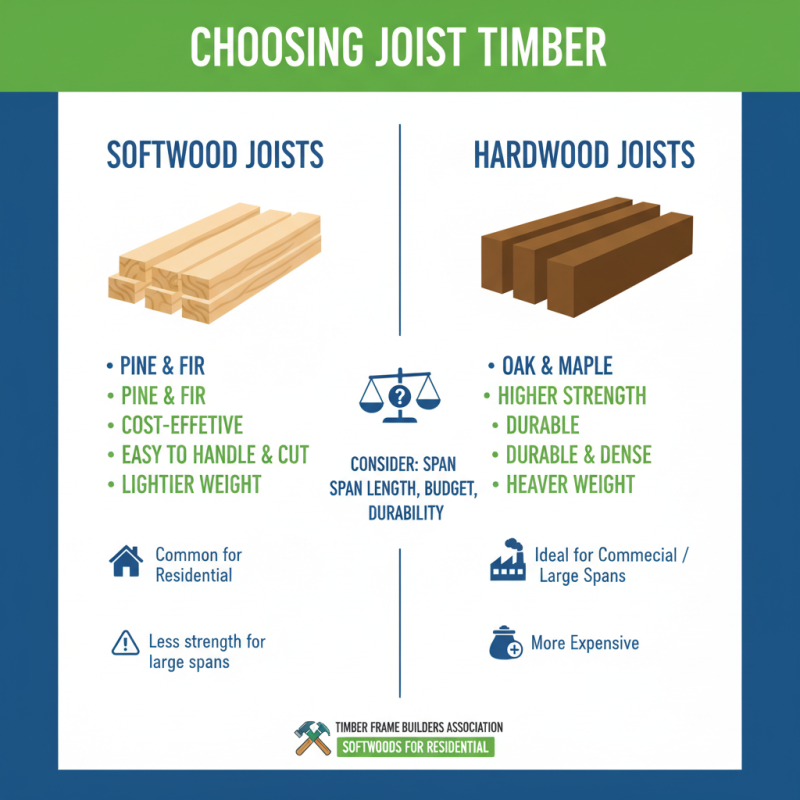
When choosing timber for joists, you have several options. Softwoods are commonly used. They are lightweight and easy to work with. Pine, spruce, and fir are popular choices. These woods are cost-effective and provide good structural support. However, they may not resist moisture well.
Hardwoods offer more durability. Oak and maple are strong choices. They can withstand heavy loads and last longer. However, they come with a higher price tag. Their weight requires careful planning during installation. Some builders prefer engineered wood products. They include laminated veneer lumber and I-joists. These materials provide excellent strength and stability.
Selecting the right timber requires attention to detail. Consider the environment where the joists will be used. Moisture levels and potential pest issues can affect performance. A more expensive option may save money in the long run. Evaluate your construction needs thoroughly. Every project is unique, and your choice of timber should reflect that.
Evaluating Strength and Durability: Key Timber Characteristics
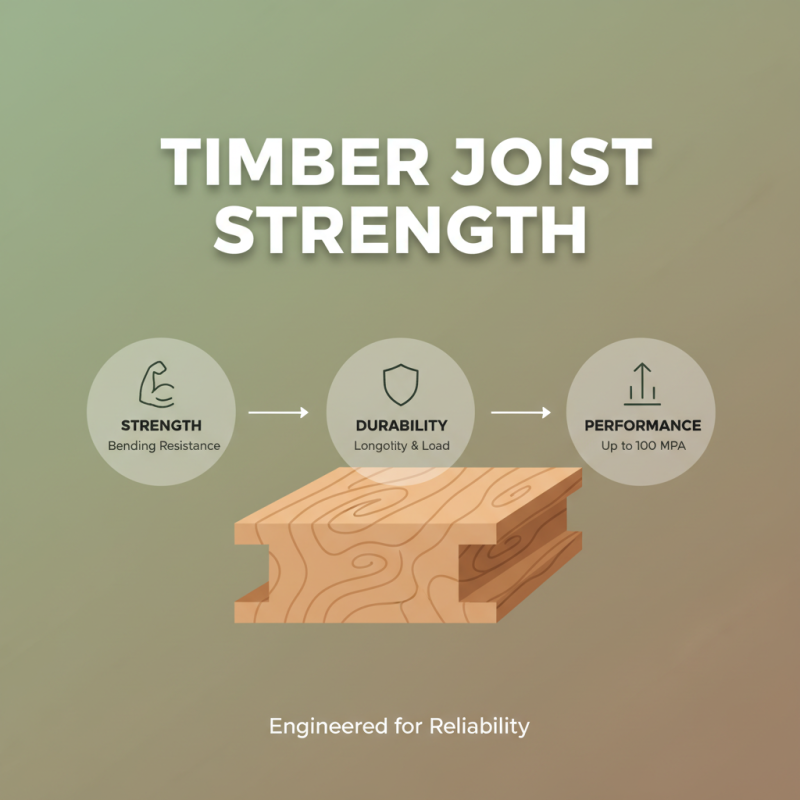
When considering timber for joists, strength and durability stand out as critical features. Engineers often point to the bending strength of various wood types. For instance, structural timber can have a modulus of rupture as high as 100 MPa in some species. This means it can withstand significant loads with less chance of failure.
Durability also plays a vital role. Studies indicate that naturally durable woods resist decay far better than non-durable options. For example, woods like Douglas fir and Southern yellow pine have been shown to last longer under harsh conditions. These types can endure moisture and pests better than lesser alternatives. However, it’s important to remember that even the best timber requires proper treatment and maintenance.
While opting for a specific type, one might overlook how environmental factors affect performance. Some woods may have a high strength rating yet can warp due to humidity. Reports suggest that regular inspections can help avoid unexpected failures in joist integrity. Balancing these elements is essential when selecting the best timber for construction needs.
Cost Considerations: Budgeting for Joist Timber Selection
When choosing joist timber, cost is a key factor that affects your budget. The type of timber you select impacts both the price and performance of your construction. Different wood species have varying costs, durability, and availability. For example, softwoods are usually less expensive but may not last as long as hardwoods. This could mean higher long-term expenses if you need to replace them sooner.
In addition to material costs, consider potential waste. Some timber may have defects, leading to unusable pieces. This can inflate your overall expense. Always buy a little extra timber to account for mistakes. Structural requirements also dictate the thickness and size of your joists, further influencing costs. Even small adjustments in design can result in significant changes to your budget. Factoring in long-term maintenance is also essential. Sometimes, cheaper options may require more upkeep.
Planning your budget effectively is crucial for a successful project. Prepare for unexpected costs that may arise during construction. Careful calculations can save you much trouble later. Doing your homework can lead to better decisions. It’s vital to balance quality and cost while ensuring your project meets all safety standards.
Choosing the Right Joist Timber for Specific Construction Projects
When it comes to choosing joist timber, understanding different types can greatly impact your project. Softwoods, like pine, are popular due to their cost-effectiveness and ease of use. According to a report by the Timber Frame Builders Association, softwood joists are often preferred for residential buildings because they are lighter and easier to handle. However, they may not always provide the strength required for larger spans.
On the other hand, hardwood options such as oak or walnut offer superior durability. These materials can withstand heavier loads but come at a higher price. For commercial projects, the increased cost of hardwood may justify its long-term benefits. A construction study revealed that while softwoods can last 20 years with proper maintenance, hardwoods can last over 50 years, making them a worthwhile investment.
Always consider the specific needs of your project. Are you prioritizing budget or longevity? Environmental factors also play a role. In areas with high moisture, treated timber might be necessary to prevent rot and decay. It's important to assess these aspects carefully. The right choice can influence not just structural integrity, but also the overall success of your construction.