Leave Your Message

Top 10 Benefits of Using Structural Wood Panels for Construction?

Structural wood panels have become a vital choice in modern construction. These panels offer a range of benefits that can enhance building performance and sustainability. Architects and builders are increasingly recognizing their value in various projects.

One significant advantage of structural wood panels is their strength-to-weight ratio. This allows for lighter structures without compromising safety. Additionally, their versatility makes them suitable for different architectural styles. From residential homes to commercial buildings, they fit various design needs. However, there are challenges, such as moisture management and potential warping, which require careful consideration.

Environmental benefits also play a crucial role. Structural wood panels are often sourced from sustainably managed forests. This makes them a greener option compared to traditional materials. Yet, the overall life cycle impact must be assessed when selecting materials. Balancing the pros and cons leads to better construction practices and results. Ultimately, embracing structural wood panels demands a thoughtful approach.
Top 10 Benefits of Using Structural Wood Panels for Construction?

Benefits of Structural Wood Panels in Sustainable Construction

Structural wood panels have gained popularity in sustainable construction. These materials not only meet structural demands but also align with environmental goals. In fact, studies show that wood products can reduce carbon emissions by up to 30% compared to traditional materials like steel and concrete.

Using structural wood panels also contributes to efficient resource use. Wood is renewable and can be sourced sustainably. According to the Forest Stewardship Council, responsibly managed forests can provide wood without depleting natural resources. This can minimize the overall ecological footprint of a building project. However, there's a caveat; not all wood sources are equal, and truly sustainable options require diligent sourcing.

Additionally, the thermal performance of wood panels can lower energy costs. Research indicates that buildings using wood have a lower energy demand over their lifetime. While this is promising, it’s crucial to balance aesthetics and functionality. Sometimes, achieving perfection can lead to overspending or delays. Building with wood must include thoughtful planning to ensure it meets both structural needs and sustainability goals.
Enhanced Durability and Strength of Structural Wood Panels

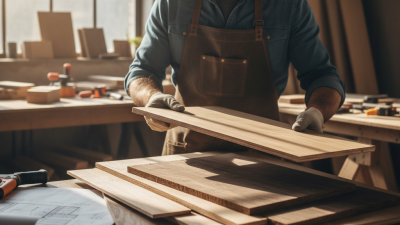
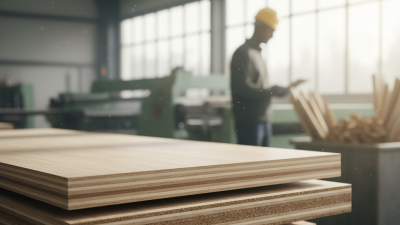
Structural wood panels are increasingly recognized for their outstanding durability and strength. These panels are made from engineered wood, which enhances their resilience against various environmental factors. They can withstand heavy loads, making them ideal for floors, walls, and roofs. Their sturdy nature means fewer repairs over time, which is a significant advantage for builders.

The manufacturing process of these panels often involves high-quality adhesives and fibers. This creates a solid structure that resists warping and cracking. However, there is still room for improvement in production techniques. Some panels may not perform well in extreme weather conditions. It's crucial for builders to assess the specific requirements of their projects. Furthermore, understanding the potential environmental impact of the materials used is essential for sustainable construction.

While many appreciate the strength of structural wood panels, not all applications suit this material. Some builders report challenges in consistent quality across batches. Ensuring proper installation is also vital, as poor practices can diminish the benefits. Nonetheless, when used correctly, structural wood panels provide an excellent blend of durability and architectural flexibility, enhancing modern construction methods.

Top 10 Benefits of Using Structural Wood Panels for Construction

Benefit Description Impact on Construction
Enhanced Durability Resistant to warping and splitting, ensuring longevity. Reduced maintenance costs over time.
High Strength-to-Weight Ratio Provides structural integrity without excessive weight. Easier transportation and handling during construction.
Environmentally Friendly Sourced from managed forests, reducing carbon footprint. Appeals to eco-conscious clients and projects.
Cost-Effective Lower material and labor costs compared to other materials. Faster project completion and reduced overall budget.
Good Thermal Insulation Natural insulating properties enhance energy efficiency. Lower energy bills for heating and cooling.
Versatile Applications Suitable for a variety of construction projects including homes and commercial buildings. Flexibility in design and construction methods.
Ease of Installation Can be cut and modified on-site with standard tools. Reduces labor time and costs.
Aesthetic Appeal Natural wood finish offers a warm, attractive look. Enhances the overall value and appeal of the project.
Fire Resistance Can be treated to enhance fire-resistant properties. Safety and compliance in building codes.
Sound Insulation Offers greater sound-dampening qualities. Improves comfort and livability in residential and commercial spaces.

Cost-Effectiveness of Using Wood Panels in Building Projects

When considering construction materials, structural wood panels stand out for their cost-effectiveness. These panels are lighter and easier to handle than traditional materials. Builders can save on transportation costs and labor. The efficiency in installation can also lead to quicker project completions. However, this speed might sometimes compromise quality, demanding careful oversight.

Additionally, wood is a renewable resource, making it a sustainable choice for many. However, the fluctuation in market prices can be a challenge. While the initial investment might be lower, long-term costs can vary significantly. Weather conditions and maintenance can also impact the durability of wood panels. Proper treatment and regular inspections are essential, adding to potential upkeep expenses.

Wood panels deliver insulation benefits that can reduce energy costs. This attribute is particularly valuable in climates with extreme temperatures. Yet, poor insulation practices may lead to higher energy bills. Project managers must ensure proper installation to fully harness these benefits. Relying solely on initial cost savings could overlook these ongoing considerations. Efficient designs protect against potential pitfalls, highlighting the need for a balanced approach.

Top 10 Benefits of Using Structural Wood Panels for Construction

Improved Energy Efficiency with Structural Wood Panel Insulation

Top 10 Benefits of Using Structural Wood Panels for Construction?

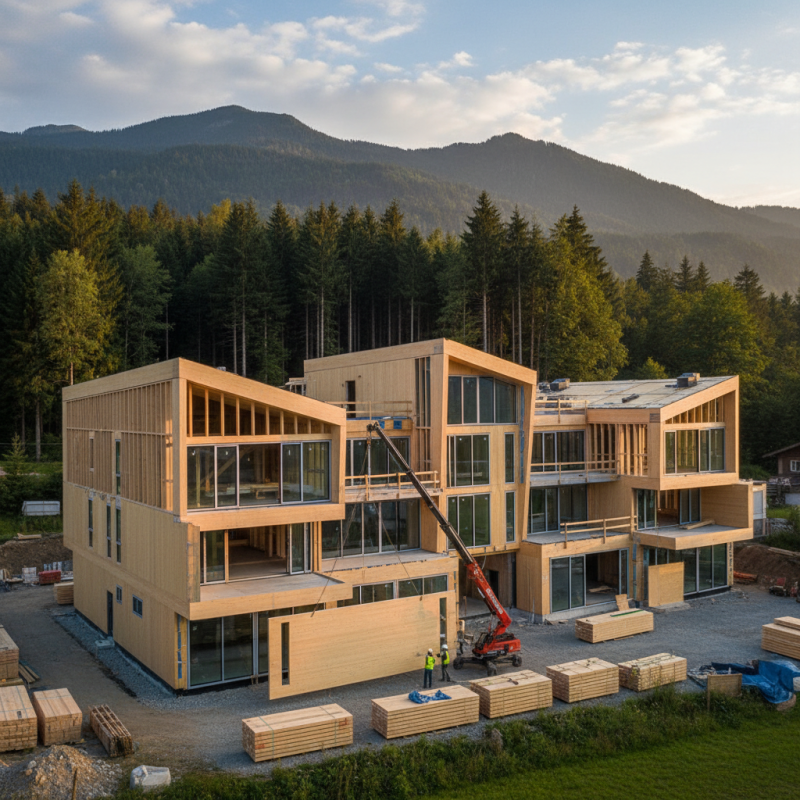
Structural wood panels are becoming a popular choice in construction due to their energy efficiency. These panels provide excellent insulation, helping to maintain consistent indoor temperatures. By reducing heat loss in winter and keeping interiors cool in summer, they contribute to lower energy bills. This can be a significant advantage for homeowners looking to save money on utilities.

However, achieving optimal energy efficiency requires attention to detail. Proper installation is crucial. Gaps and poor sealing can lead to inefficiencies. It's also essential to consider the type of wood used. Not all wood panels offer the same insulating properties. Some panels may perform better than others, so research is necessary.

Furthermore, the environmental impact of sourcing wood should not be overlooked. Sustainable practices are key to making a positive choice. Ideally, using reclaimed or responsibly sourced wood minimizes environmental harm. Each choice we make can contribute to a more sustainable future while enhancing our buildings' energy efficiency.

Versatility and Design Flexibility of Structural Wood Panels in Architecture

Structural wood panels have gained attention in architecture due to their versatility. They can be used in various applications, from walls to roofs. This flexibility allows designers to explore unique shapes and layouts, enhancing the overall aesthetic of a project. An architect can easily manipulate these panels to create curves or angles that are often challenging with traditional materials.

The lightweight nature of structural wood panels makes them easier to handle on-site. However, this can lead to challenges with securing them properly. Misalignment may occur, which requires careful planning and execution during construction. In some cases, the natural imperfections of wood can add character to a design, but they may also mask structural weaknesses if not addressed correctly.

Moreover, embracing the variability of wood can lead to innovative design solutions. Distinct grain patterns and colors create a rich visual experience. But these unique features require designers to be mindful of how they integrate panels into their overall vision. Each choice carries weight and can affect the final outcome of the space.