Top 10 Benefits of Using Structural Floor Joists for Your Home?
When considering home construction, the choice of structural materials is crucial. Structural Floor Joists stand out due to their numerous benefits. According to the Structural Engineering Institute, using engineered wood products for floor joists can increase overall structural integrity by up to 30%. Expert Michael H. Owens states, "Structural Floor Joists not only provide strength but also enhance energy efficiency in homes."
These joists are designed to minimize deflection and noise. They allow for larger open spaces, which is a significant advantage in modern home designs. The market for structural floor joists has seen a rise of over 15% in recent years, demonstrating their growing popularity among homeowners and builders alike.
However, challenges exist. Not all contractors are familiar with these advanced systems. Some may overlook the importance of proper installation. Understanding these nuances can help homeowners make informed decisions. Choosing the right materials is essential for long-term performance and sustainability.
Understanding Structural Floor Joists: An Overview
Understanding Structural Floor Joists: An Overview
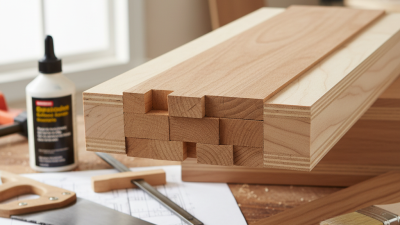
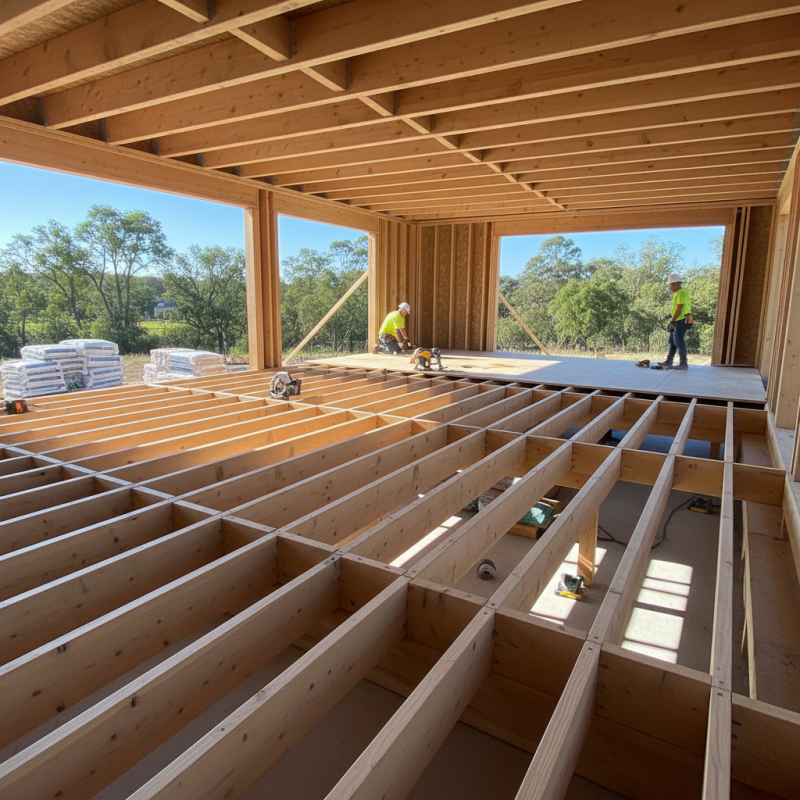
Structural floor joists are crucial for modern home construction. They offer support for floors and distribute weight evenly across the structure. According to the American Institute of Timber Construction, nearly 70% of new homes in the U.S. utilize engineered wood products, including joists. This highlights their growing popularity and reliability. Unlike traditional lumber, engineered joists can provide better performance and stability.
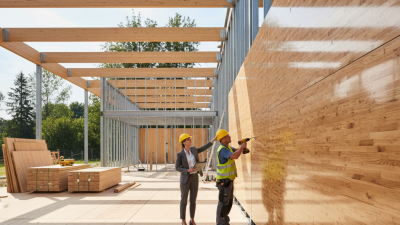
One significant advantage is their ability to span long distances without the need for intermediate support. This feature is particularly beneficial for open floor plans, which are highly sought after in contemporary home designs. Reports from the Structural Insulated Panel Association indicate that homes using joists can reduce structural costs by up to 30%. However, not all joists perform equally, and choosing the right material is essential. Potential buyers must review specifications carefully.
While structural joists offer many benefits, they can face challenges. Installation requires precise measurements and skilled labor, which can add to project costs. Additionally, improper loading can lead to sagging or failure. It's essential to ensure that the entire system is designed to meet local building codes. Overall, understanding the nuances of structural floor joists can lead to smarter building choices. The right information helps homeowners and builders avoid costly mistakes.
Enhanced Structural Integrity: Key Advantages of Floor Joists
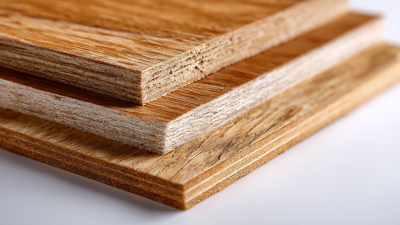
Structural floor joists play a critical role in enhancing the structural integrity of your home. They provide support, evenly distributing weight across floors. This helps prevent sagging and structural failure over time. Using quality materials ensures durability. Opting for engineered wood can bolster strength while reducing environmental impact.
One important tip is to consider the spacing of your joists. Proper spacing can maximize strength and minimize costs. Generally, 16 inches on center is standard, but adjustments may be necessary based on materials and load requirements. Consulting a professional can help clarify your options.
Another factor to think about is moisture control. Proper insulation and ventilation are key. Joists that aren’t adequately protected can rot or warp. Regular inspections can reveal potential issues early on. Be open to making adjustments as needed. Ensuring your floor joists are maintained is an investment in long-term safety and comfort.
Top 10 Benefits of Using Structural Floor Joists for Your Home
Improved Energy Efficiency with Proper Joist Installation
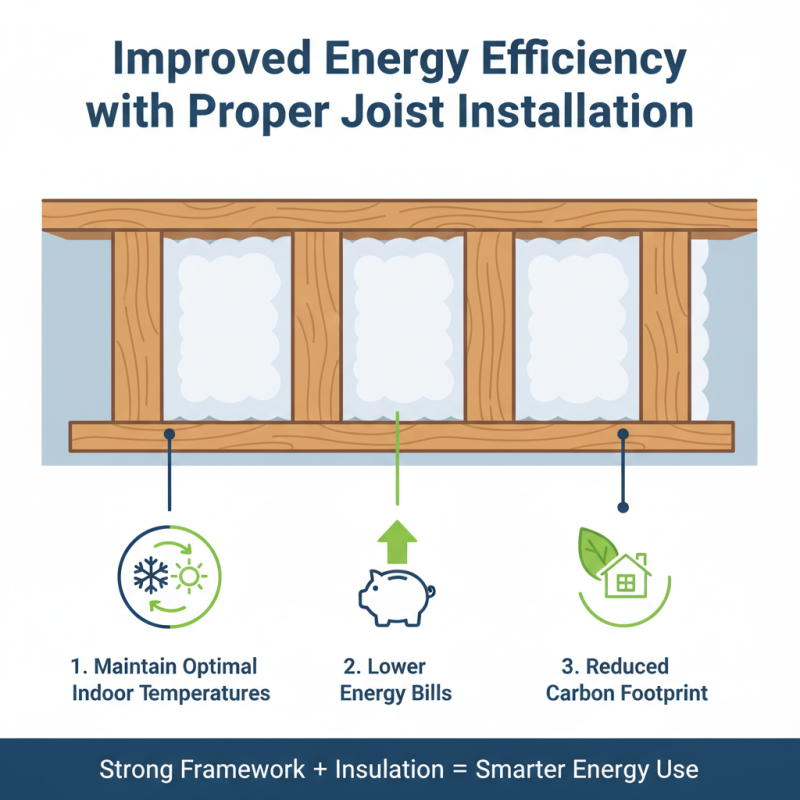
Proper installation of structural floor joists can significantly improve energy efficiency in your home. These joists create a strong framework for flooring while providing spaces for insulation. When installed correctly, they help maintain optimal indoor temperatures. This means your heating and cooling systems will work less, leading to lower energy bills and a reduced carbon footprint.
Inadequate insulation between joists can lead to cold drafts in winter and heat loss during summer. This affects overall comfort and energy usage. Homeowners should regularly check for gaps or settling in joists. Repairing these issues can prevent energy waste. Consider integrating advanced insulation materials that fit snugly within your joist framework, maximizing efficiency.
Sometimes, even with proper joist installation, homeowners overlook the importance of sealing air leaks. Small openings can let in unwanted air, compromising energy performance. Focusing on both flooring structures and air sealing will yield better results. A comprehensive approach ensures a comfortable, energy-efficient living space that reflects careful planning and execution.
Impact on Aesthetic Design and Interior Space Utilization
When considering structural floor joists for your home, their impact on aesthetic design cannot be overlooked. These components often provide open spaces that enhance the flow of natural light. This openness leads to a more inviting and spacious interior. With adaptable designs, homeowners can create versatile room layouts that cater to their needs, whether for entertaining or quiet relaxation.
Incorporating floor joists also allows for creative ceiling designs. Exposed joists can add character, giving a rustic or modern vibe, depending on the finish. However, this approach requires careful planning. Too many exposed elements can clutter a space, potentially detracting from a cohesive design. Balancing these features is crucial for a harmonious aesthetic.
Utilizing floor joists effectively can significantly enhance interior space. They permit larger spans without columns, optimizing room usage. This flexibility can lead to unexpected challenges, such as accommodating utilities. Homeowners may need to adjust their initial design vision to integrate these essential elements smoothly. Prioritizing function alongside beauty will lead to spaces that are both practical and visually appealing.
Cost-Effectiveness: Long-Term Savings with Floor Joists
Using structural floor joists can significantly impact the cost-effectiveness of your home. According to the National Association of Home Builders, engineered joists can be lighter and provide better performance than traditional lumber. This means reduced labor costs and easier installation. Homeowners can save around 10-15% on material costs due to less waste and lower energy usage.
In the long term, structural floor joists also enhance energy efficiency. The U.S. Department of Energy reports that homes with proper insulation and structural framing reduce energy bills by up to 30%. This translates to substantial savings over time. Investing in floor joists initially might seem high, but these savings are crucial.
However, not all joists are created equal. Choosing less durable materials might lead to unexpected repairs and replacements. This can negate any upfront savings. It's essential to weigh the costs carefully. Conduct thorough research to understand the long-term implications of your choices. Prioritize quality over initial costs for better outcomes.
Top 10 Benefits of Using Structural Floor Joists for Your Home
| Benefit |
Description |
Long-Term Savings |
| Cost-Effective Material |
Using engineered materials reduces raw material costs. |
Potential savings of up to 30% on materials. |
| Reduced Labor Costs |
Lighter weight makes handling and installation easier. |
Labor savings can amount to 20% of installation costs. |
| Energy Efficiency |
Provides better insulation compared to traditional floors. |
Annual energy bill reductions of 10-15%. |
| Durability |
Engineered for long-term performance and resilience. |
Lower maintenance costs over the lifespan of the floor. |
| Design Flexibility |
Allows for open floor plans without interrupting support. |
May reduce future renovation costs due to adaptability. |
| Improved Sound Dampening |
Reduces noise between floors for better comfort. |
Potential savings on soundproofing materials. |
| Faster Construction Time |
Quick and easy to install, speeding up the building process. |
Reduced project timelines lead to lower total costs. |
| Less Waste |
Manufactured to exact specifications, minimizing excess. |
Waste reduction can save up to 15% on disposal costs. |
| Enhanced Property Value |
High-quality materials increase overall home value. |
May yield a return on investment of 5-10% at resale. |
| Sustainability |
Often made from recycled materials and sustainable practices. |
Long-term savings through lower environmental impact fees. |