Top 10 Benefits of Using Timber Floor Joists in Your Home Construction
When it comes to home construction, the choice of materials plays a crucial role in determining the overall quality and longevity of the structure. One material that has consistently stood the test of time is timber, particularly when used as floor joists. Timber floor joists offer a range of benefits that can enhance not only the structural integrity of a home but also its aesthetic appeal. These joists are known for their strength, versatility, and resilience, making them an ideal choice for builders looking to deliver both functionality and style.
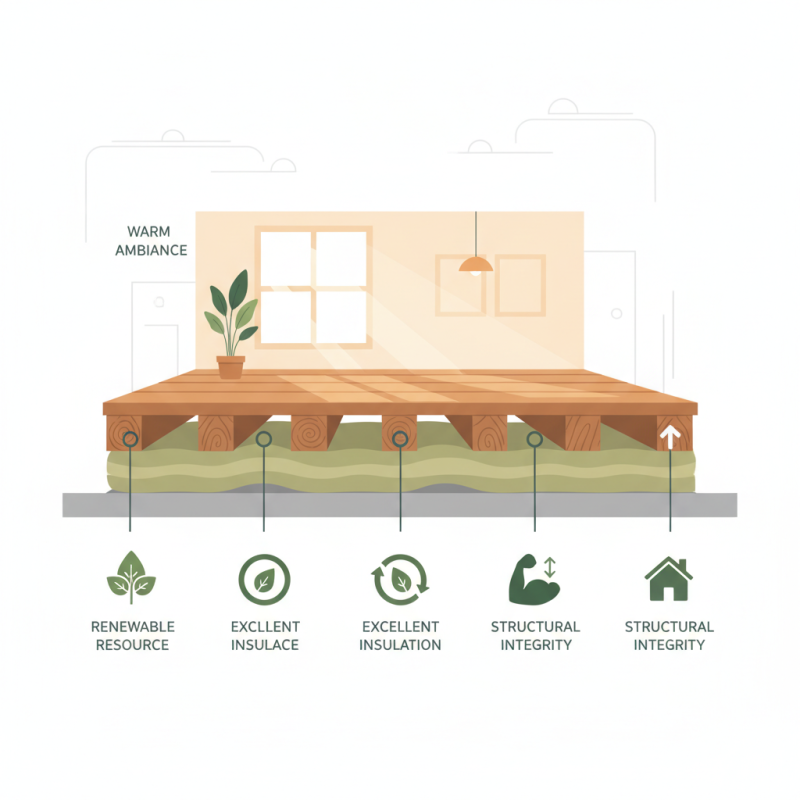
The use of timber floor joists provides homeowners with a host of advantages, from excellent insulation properties to a reduced carbon footprint. Timber is a renewable resource, making it an environmentally friendly option in an era where sustainability is a major concern. Moreover, timber floor joists can improve the overall ambiance of a home, contributing to a warm and inviting atmosphere. As we explore the top 10 benefits of incorporating timber floor joists into your construction project, it becomes clear why they are a favored choice among architects and builders alike. Embracing timber floor joists not only supports the structural framework of a home but also aligns with a broader commitment to eco-friendly building practices.
Benefits of Timber Floor Joists: Overview of Key Advantages
Timber floor joists have become increasingly popular in residential construction due to their numerous benefits, which contribute to both the building process and long-term housing performance. One of the key advantages of using timber joists is their natural insulation properties. According to the Wood Products Council, timber has inherent thermal insulation qualities, which can lead to a reduction in energy consumption for heating and cooling by up to 15%. This not only enhances the comfort of living spaces but also aligns with energy-efficient building practices that are gaining traction in sustainable construction.
In addition to thermal efficiency, timber joists are also known for their strength-to-weight ratio. The American Wood Council reports that engineered timber products can provide significant load-bearing capabilities while being lighter than traditional materials. This attribute not only simplifies handling and installation but also reduces the overall structural load, allowing for innovative building designs without compromising safety. Moreover, timber’s flexibility in spans and configurations enables architects and builders to create open spaces without the need for excessive support, leading to more functional and aesthetically pleasing home layouts.
Durability and Longevity: How Timber Joists Stand the Test of Time
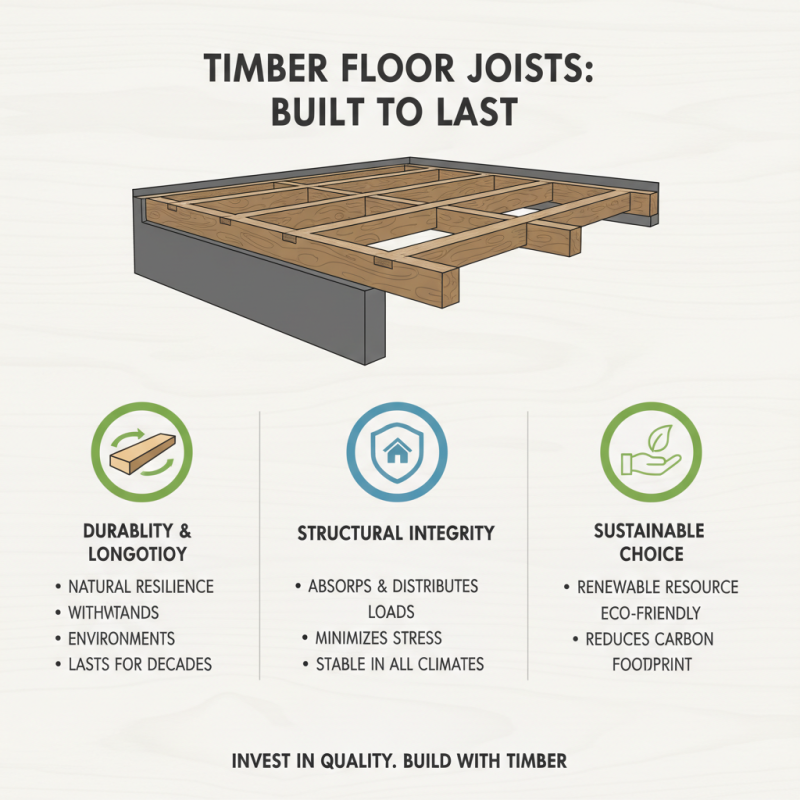
Timber floor joists are renowned for their durability and longevity, making them an excellent choice for home construction. Unlike some synthetic materials, timber possesses a natural resilience that allows it to withstand a variety of environmental conditions. When properly maintained, timber joists can last for decades, ensuring the structural integrity of your home over time. Their ability to absorb and distribute loads helps minimize stress on the overall framework, which can be particularly beneficial in areas prone to fluctuations in temperature and humidity.
Moreover, timber is less susceptible to issues such as rust and corrosion that can affect metal joists. When treated and sealed correctly, timber can also resist decay and insect damage, further extending its lifespan. This adaptability not only contributes to the longevity of the structure but also enhances the sustainability aspect of using timber as a building material. By choosing timber floor joists, homeowners invest in a solution that offers both enduring performance and ecological benefits, affirming their place in modern construction practices.
Environmental Impact: The Sustainability of Timber as a Building Material
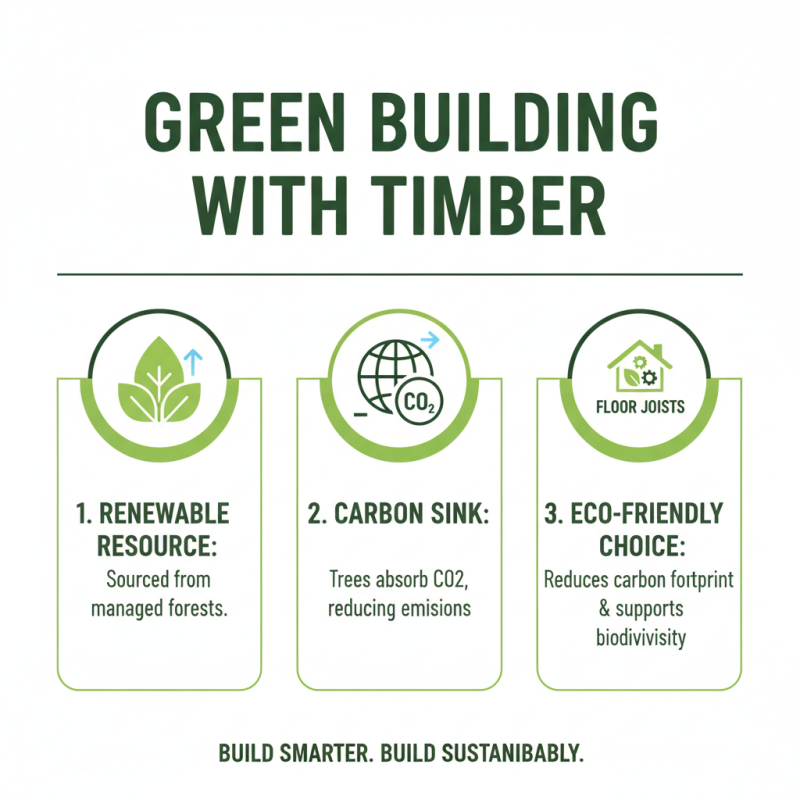
Timber is an increasingly popular choice for construction, particularly due to its environmental benefits. As a renewable resource, timber offers a sustainable alternative to more traditional building materials like concrete and steel. When sourced responsibly from managed forests, timber helps reduce carbon emissions; trees naturally absorb CO2, effectively acting as carbon sinks throughout their growth. By opting for timber floor joists, homeowners not only contribute to reducing their carbon footprint but also support the maintenance of forests which play a crucial role in preserving biodiversity.
When considering timber for your home construction, it's important to remember that not all wood is created equal. Look for certified timber products that ensure sustainable harvesting practices. Additionally, consider using reclaimed wood, which minimizes waste and adds a unique character to your home. For anyone contemplating timber usage, a vital tip is to assess the longevity and durability of the options available. Investing in high-quality timber can lead to long-term savings and benefits, as it often requires less maintenance compared to other materials.
Furthermore, integrating timber floor joists can enhance a home’s energy efficiency. Wood has natural insulating properties, which means it can help regulate indoor temperatures, leading to reduced energy consumption for heating and cooling. Homeowners should also think about the installation process, as properly fitted timber joists can minimize gaps and improve insulation. Embracing timber in your construction project supports a sustainable approach while delivering lasting benefits to both your home and the environment.
Cost-Effectiveness: Financial Benefits of Using Timber Floor Joists
When considering the financial implications of home construction, timber floor joists present a cost-effective solution that can significantly reduce overall expenses. Their lightweight nature allows for easier handling and installation, subsequently lowering labor costs. Compared to heavier alternatives, timber joists require less intensive equipment and fewer workers, which can further drive down expenses during the construction phase.
Moreover, timber's excellent thermal insulation properties contribute to long-term savings on energy bills. Homes built with timber floor joists tend to maintain a more consistent temperature, reducing the reliance on heating and cooling systems. This energy efficiency not only enhances comfort but also contributes to substantial savings over the lifespan of the home. Additionally, timber is a renewable resource that can often be sourced locally, minimizing transportation costs and environmental impact, which further aligns with sustainable building practices.
Ease of Installation: Simplifying Construction with Timber Joists
Timber floor joists offer a myriad of advantages in home construction, particularly when it comes to ease of installation. The lightweight nature of timber makes it simple for builders to handle and position each joist without requiring extensive manpower or heavy machinery. This not only speeds up the installation process but also reduces labor costs, allowing for a more efficient workflow on site. Moreover, the natural adjustability of timber allows for easier tweaking and alignment, which is invaluable when ensuring structural integrity and precision in the layout of the flooring system.
Additionally, timber joists are pre-engineered and available in various sizes, allowing for customization that fits specific project needs. This adaptability contributes to seamless integration with other construction elements, minimizing the risk of complications during installation. Builders can quickly cut and shape timber joists on-site, accommodating unique design specifications without the need for complex systems or pre-fabrication. The result is a smoother building process that enhances productivity and contributes to overall project timelines, making timber floor joists a favored choice for many contractors engaged in residential construction.
Top 10 Benefits of Using Timber Floor Joists in Your Home Construction
| Benefit |
Description |
| Ease of Installation |
Timber joists are lighter and easier to handle than steel or concrete options, allowing for quicker installation. |
| Cost-Effectiveness |
Timber is often more affordable than other materials, making it a popular choice for budget-conscious projects. |
| Sustainability |
Timber is a renewable resource, and sustainably sourced options help minimize environmental impact. |
| Aesthetic Appeal |
Timber provides a warm, natural look that enhances the interior design of homes. |
| Thermal Insulation |
Timber has natural insulating properties, contributing to energy efficiency in the home. |
| Sound Dampening |
Timber floors can reduce noise transmission, creating a quieter living environment. |
| Flexibility |
Timber joists can be easily cut or modified to fit various design requirements. |
| Low Maintenance |
Once properly installed, timber joists require minimal maintenance compared to other materials. |
| Durability |
With proper treatment and care, timber joists can last for decades. |
| Versatile Applications |
Timber joists can be used in various structural applications, from residential to commercial buildings. |