Top Benefits of Structural Wood Panels for Construction and Design
In recent years, the construction and design industries have increasingly turned their attention to innovative materials that combine sustainability with structural integrity. Among these materials, Structural Wood Panels have emerged as a leading choice for builders and architects alike. These versatile panels not only offer exceptional strength and durability but also contribute to a more eco-friendly building approach by utilizing renewable resources. The growing demand for energy-efficient and sustainable solutions has further highlighted the benefits of Structural Wood Panels, paving the way for their adoption in residential, commercial, and industrial applications.
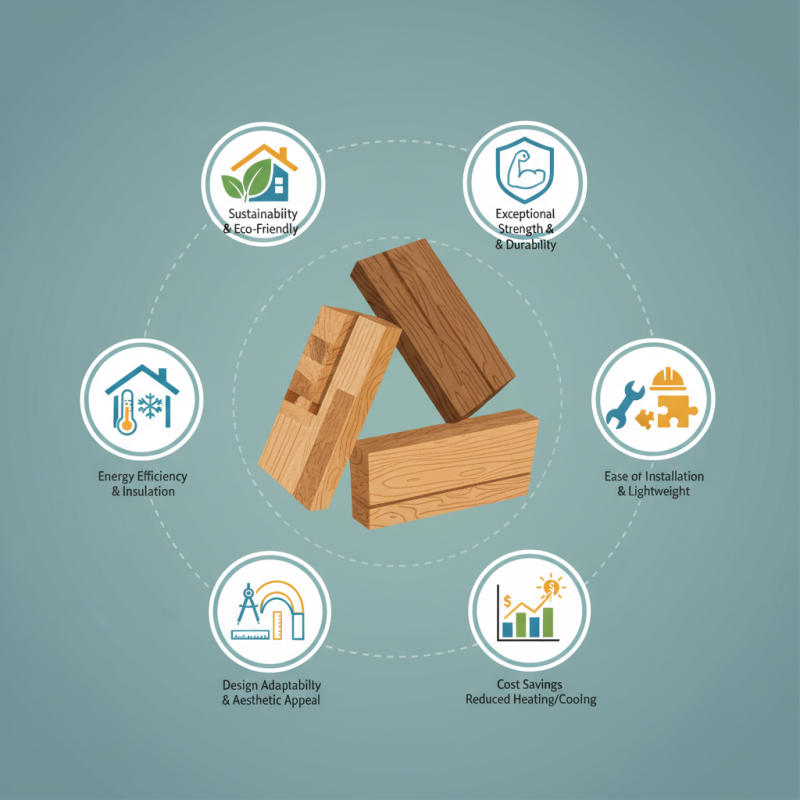
The unique properties of Structural Wood Panels, including their lightweight design, ease of installation, and aesthetic appeal, make them an attractive option for modern construction projects. These panels provide excellent insulation, thereby enhancing energy efficiency and reducing heating and cooling costs. Additionally, their adaptability allows for a wide range of design possibilities, enabling architects to push creative boundaries while maintaining structural performance. As we delve into the top benefits of Structural Wood Panels, it becomes clear that they represent not just a material choice, but a pathway towards a more sustainable and innovative future in construction and design.
Advantages of Structural Wood Panels in Modern Construction
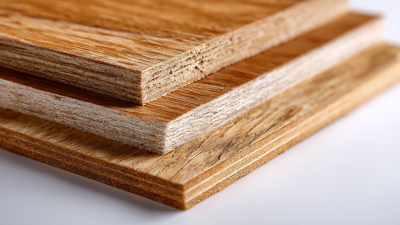
Structural wood panels have gained prominence in modern construction due to their unique advantages that cater to both structural integrity and design flexibility. These panels, composed of layers of wood bonded together, offer exceptional strength-to-weight ratios. This property allows architects and builders to create larger spans with fewer materials, minimizing the need for bulky structural elements while maximizing usable space. The lightweight nature of these panels also facilitates easier handling and installation, leading to reduced labor costs and shorter construction timelines.
In addition to their structural benefits, wood panels contribute to sustainability in construction. Sourced from renewable forests, they provide an eco-friendly alternative to traditional building materials like steel and concrete, which have higher carbon footprints. Modern structural wood panels are engineered to meet rigorous building codes, ensuring durability and performance while maintaining aesthetic appeal. The versatility of wood panels allows for various finishes, enabling designers to achieve a contemporary or rustic look according to the project’s requirements. This combination of aesthetic versatility and environmental responsibility makes structural wood panels a top choice in modern construction and design.
Durability and Strength: Key Characteristics of Wood Panels
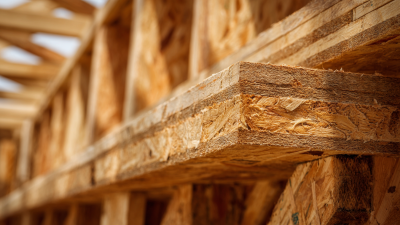
Structural wood panels have gained popularity in modern construction and design primarily due to their remarkable durability and strength. According to the American Wood Council, engineered wood products, including plywood and oriented strand board (OSB), can provide a strength-to-weight ratio that is often superior to traditional building materials such as steel and concrete. This characteristic is particularly advantageous in seismic-prone areas, where buildings require lightweight yet resilient structural components to withstand natural forces effectively.
Moreover, wood panels exhibit impressive resistance to warping and splitting when properly engineered and treated. A study by the U.S. Forest Products Laboratory indicates that wood-based panels can offer a significant reduction in moisture absorption compared to solid wood, enhancing their stability over time. Such attributes make structural wood panels an ideal choice for both residential and commercial applications, ensuring longevity and reliability in various environmental conditions. As sustainable building practices gain traction, the introduction of these durable wood panels not only supports structural integrity but also aligns with eco-friendly construction methodologies.
Environmental Sustainability: The Eco-Friendly Choice
Structural wood panels have emerged as a leading choice for environmentally conscious construction and design. One of their primary advantages lies in their eco-friendly nature. Sourced from renewable timber, these panels not only reduce the depletion of non-renewable resources but also contribute to sustainable forestry practices. By opting for structural wood panels, builders can minimize their carbon footprint, as wood acts as a carbon sink, storing carbon dioxide throughout its life cycle.
Moreover, the production of structural wood panels generally requires less energy compared to traditional building materials like steel or concrete. This reduction in energy consumption leads to lower greenhouse gas emissions, enhancing the overall sustainability of construction projects. Additionally, wood panels can be engineered to meet various performance standards while maintaining low environmental impact, making them versatile options for modern architecture.
By choosing structural wood panels, the construction industry can align more closely with green building standards and create structures that are not only aesthetically pleasing but also responsible in terms of environmental sustainability.
Versatility in Design: Applications of Wood Panels in Architecture
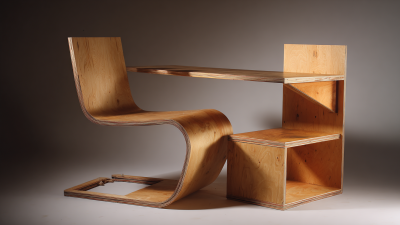
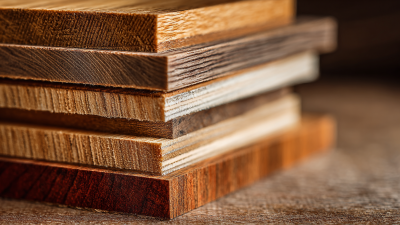
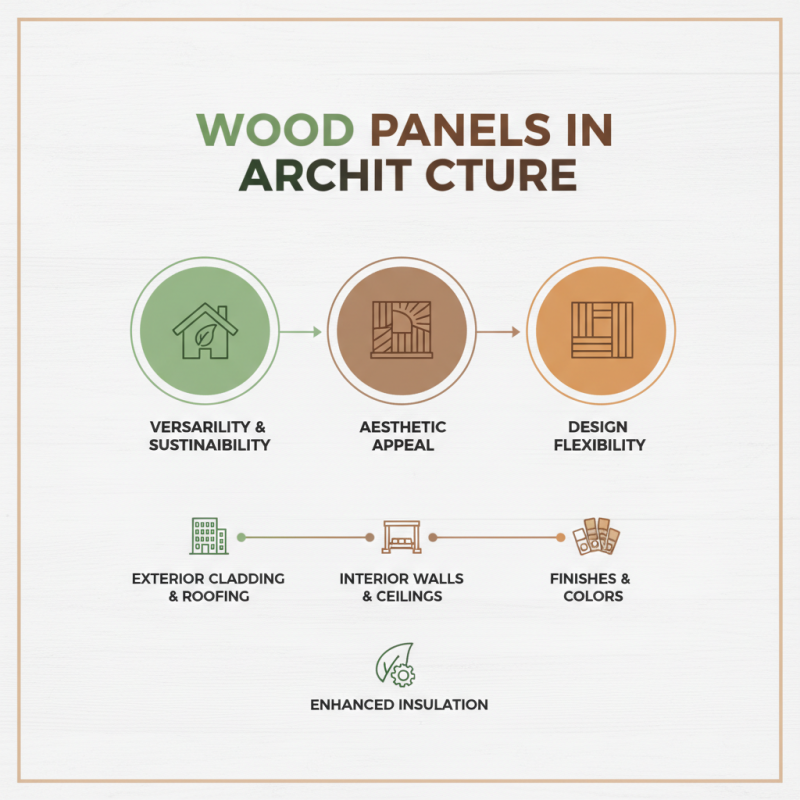
Wood panels have become a popular choice in architecture due to their versatility in design. They can be utilized in various applications, from interior walls and ceilings to exterior cladding and roofing. Designers appreciate the aesthetic appeal that wood panels bring, integrating natural textures and warmth into contemporary and traditional designs alike. With a range of finishes and colors available, these panels can complement any style while also enhancing insulation and sustainability efforts.
Tips for maximizing the use of structural wood panels include selecting appropriate panel types based on the intended application—laminated veneer lumber for structural support or plywood for wall sheathing. Additionally, consider mixing wood panels with other materials, such as metal or glass, to create striking contrasts that elevate the design. Incorporating eco-friendly finishes not only maintains the wood's natural beauty but also promotes environmental awareness in construction.
Another aspect to explore is the innovative use of wood panels in modular construction. This approach allows for rapid assembly and disassembly, making it ideal for temporary structures or expansions. By adopting this practice, architects can create dynamic spaces that respond to changing needs while enhancing the efficiency of building processes.
Cost-Effectiveness: Economic Benefits of Using Wood Panels
Structural wood panels have gained considerable attention in the construction industry, particularly for their cost-effectiveness. According to a report by the American Wood Council, wood structures can frequently exhibit a 15-20% lower construction cost compared to steel and concrete alternatives. This is largely due to the reduced material costs and the lower transportation expenses associated with lightweight wood panels. Furthermore, the speed of installation allows for faster project completion, which can significantly reduce labor costs.
In addition to immediate economic savings, using wood panels offers long-term financial benefits. A study by the National Association of Home Builders indicates that buildings using wood panels can save homeowners up to 25% on energy costs due to the superior insulation properties of wood. Additionally, the renewable nature of wood compared to more traditional materials like steel and concrete provides a compelling argument for sustainability and reduced lifecycle costs.
As sustainability becomes increasingly critical in modern construction, structural wood panels present an economically and environmentally viable solution for developers and builders alike.