Top Benefits of OSB Structural Beams for Your Construction Projects
In the ever-evolving landscape of construction, the choice of materials can significantly influence both the quality and efficiency of a project. One such remarkable material gaining traction is OSB structural beams, revered for their strength and versatility. According to industry expert John Smith, a leading figure in sustainable building materials, "OSB structural beams provide a robust and eco-friendly solution that meets the demands of modern construction while optimizing structural integrity."
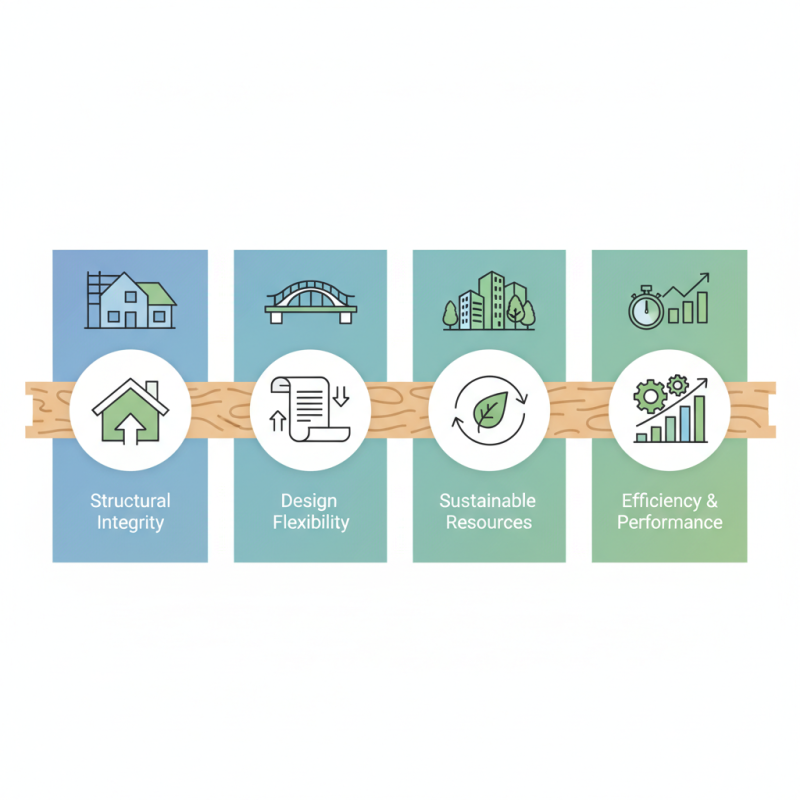
As builders and architects look towards innovative options to enhance their projects, OSB structural beams stand out for their unique properties and benefits. These engineered wood products offer exceptional load-bearing capabilities, making them ideal for a variety of applications, from residential homes to commercial buildings. The adaptability of OSB beams allows for design flexibility while ensuring compliance with stringent safety standards, thereby helping to streamline the construction process.
Moreover, the environmental aspect cannot be overlooked. OSB structural beams are made from sustainable resources, contributing to greener building practices that are increasingly prioritized in today’s market. Embracing OSB structural beams not only reflects a commitment to sustainability but also aligns with the industry's movement towards efficiency and performance integrity—key components for future-ready construction.
Understanding OSB (Oriented Strand Board) Structural Beams
Oriented Strand Board (OSB) structural beams have become a preferred choice in modern construction due to their versatility and strong performance characteristics. Made from engineered wood strands that are bonded together with adhesives, OSB beams provide significant structural stability. According to a report from the Engineered Wood Association, OSB exhibits a higher shear strength and dimensional stability compared to traditional lumber, making it an ideal choice for various structural applications. The ability of OSB to withstand high loads and resist warping contributes to its growing popularity among builders and architects.
Another key advantage of OSB structural beams is their sustainability. With the increasing emphasis on eco-friendly building practices, OSB stands out as a renewable material that utilizes fast-growing trees, reducing environmental impact. A study published by the USDA Forest Products Laboratory indicated that using OSB in building projects can lower the carbon footprint by approximately 18% compared to using solid wood beams. This not only supports sustainable forestry practices but also appeals to environmentally conscious consumers and builders looking to meet green building standards. As the construction industry continues evolving, OSB structural beams offer robust solutions that align with modern demands for performance and sustainability.
Key Advantages of Using OSB Beams in Construction
When it comes to construction projects, the choice of materials can significantly impact both performance and cost. OSB (Oriented Strand Board) structural beams have emerged as a popular choice among builders and architects due to their unique advantages. One of the key benefits of using OSB beams is their strength and stability. Made from strands of wood that are oriented and bonded together, OSB beams provide excellent load-bearing capabilities while remaining lightweight, making them easy to handle and install.
Another major advantage of OSB beams is their versatility in design and application. They can be customized to fit a variety of structural requirements, whether in residential or commercial projects. This flexibility allows builders to create innovative architectural features while ensuring structural integrity. Additionally, OSB beams are often more cost-effective than traditional solid wood options, which can significantly reduce project budgets without sacrificing quality or durability. Their resistance to warping and shrinking further enhances their reliability, making OSB beams an excellent choice for long-lasting construction solutions.
Durability and Strength: Why Choose OSB for Structural Applications
When it comes to construction projects, choosing the right material for structural applications is crucial. Oriented strand board (OSB) structural beams are increasingly popular due to their impressive durability and strength. Made from woven strands of wood that are glued together, OSB provides a reliable alternative to traditional lumber materials. Its unique composition allows for optimal load distribution, making it an excellent choice for framing, flooring, and roofing applications.
One of the key advantages of OSB is its resilience to moisture and environmental challenges. Unlike traditional wood beams, OSB is engineered to withstand varying temperatures and humidity levels, reducing the risk of warping or cracking over time. This durability not only preserves the integrity of the structure but also minimizes maintenance costs in the long run.
**Tips:** When selecting OSB for your construction projects, ensure that you choose a product with the appropriate thickness and structural rating for your specific applications. Additionally, consider installing a moisture barrier to further enhance the longevity of the beams. Regular inspections can also help identify any potential issues early on, keeping your project on track and ensuring lasting safety.
Top Benefits of OSB Structural Beams for Your Construction Projects
| Benefit |
Description |
Durability Rating |
Weight (lbs/ft) |
Cost ($/ft) |
| High Strength |
OSB beams offer excellent load-bearing capacity due to their structural integrity. |
8/10 |
1.5 |
3.00 |
| Moisture Resistance |
Designed to withstand moisture, reducing the risk of mold and decay. |
9/10 |
1.5 |
3.20 |
| Cost-Effectiveness |
Offers a budget-friendly option compared to traditional lumber. |
7/10 |
1.5 |
2.75 |
| Versatility |
Suitable for a variety of construction applications including flooring, walls, and roofs. |
8/10 |
1.5 |
3.10 |
| Eco-Friendly |
Made from sustainable wood sources, contributing to environmentally friendly building practices. |
8/10 |
1.5 |
2.90 |
Cost-Effectiveness: Economic Benefits of OSB Beams
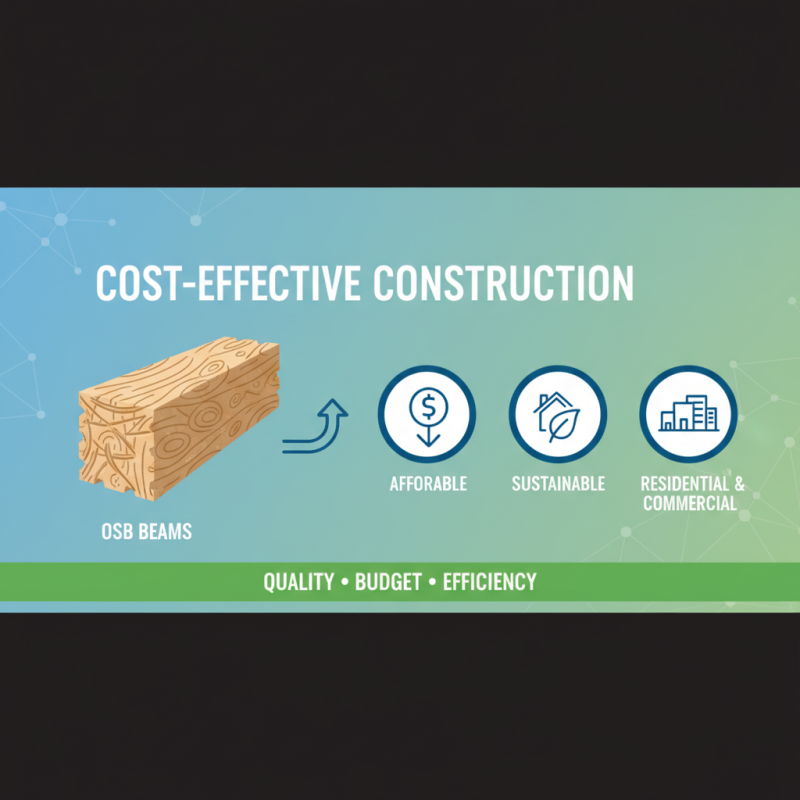
When it comes to structural materials in construction, oriented strand board (OSB) beams stand out for their cost-effectiveness, making them a popular choice among builders and contractors. Their affordability is primarily due to the lower cost of raw materials and the efficient manufacturing process. OSB beams are engineered from wood strands that are bonded together, which not only reduces waste but also allows for a more sustainable approach to construction. Consequently, this makes OSB beams an attractive option for both residential and commercial projects, ensuring quality while adhering to budget constraints.
**Tips for Selecting OSB Beams:**
When evaluating OSB beams for your project, consider the load-bearing requirements specific to your structure. It’s essential to consult with a structural engineer to ensure that the selected beams meet the necessary standards for safety and performance. Additionally, buying in bulk can lead to significant savings, so plan your project to maximize the quantity you need at one time.
Another cost-saving tip is to explore local suppliers or manufacturers who may offer competitive pricing or discounts for large orders. Being mindful of delivery costs and availability can further enhance the overall economic benefits of incorporating OSB beams into your construction projects.
Sustainability Aspects of OSB Beams in Eco-Friendly Projects
Oriented Strand Board (OSB) beams are becoming increasingly popular in eco-friendly construction projects due to their sustainable properties. Made from strands of wood that are bonded together through an adhesive process, OSB is engineered to be both strong and lightweight. This structural material maximizes the use of wood resources while minimizing waste, making it an environmentally responsible choice compared to traditional lumber. By utilizing smaller, fast-growing trees, OSB production also supports sustainable forestry practices, reducing the impact on old-growth forests and promoting healthier ecosystems.
In addition to the responsible sourcing of materials, OSB beams contribute to energy efficiency in construction. Their dimensional stability and structural integrity allow for better insulation when incorporated into buildings, which can significantly reduce energy consumption over the lifespan of a structure. Moreover, because OSB is manufactured under controlled conditions, it often has a lower carbon footprint than conventional wood beams. This combination of factors makes OSB an excellent option for builders looking to align their projects with eco-friendly practices and sustainability goals, creating structures that are not only robust but also environmentally considerate.
Top Benefits of OSB Structural Beams for Your Construction Projects